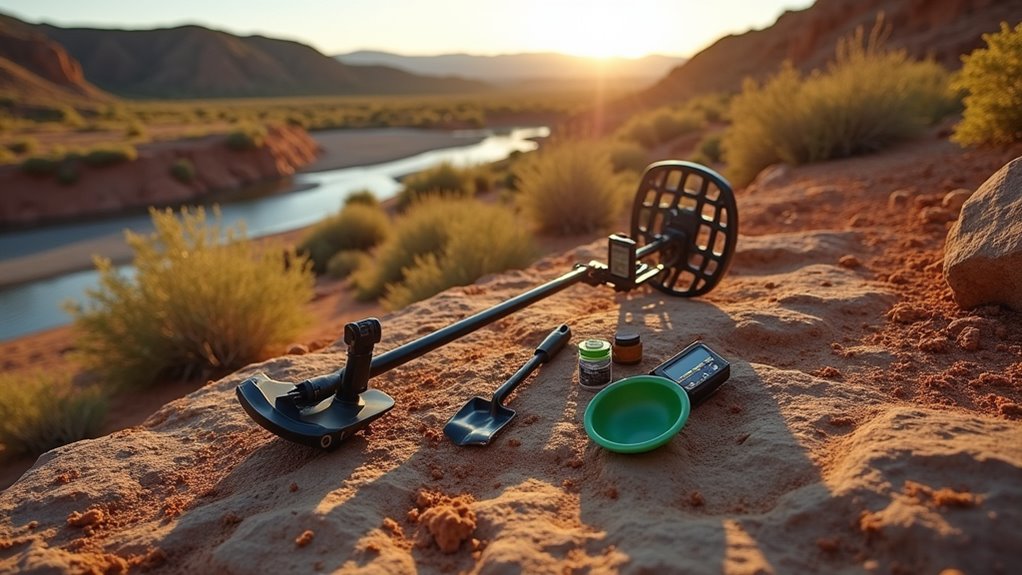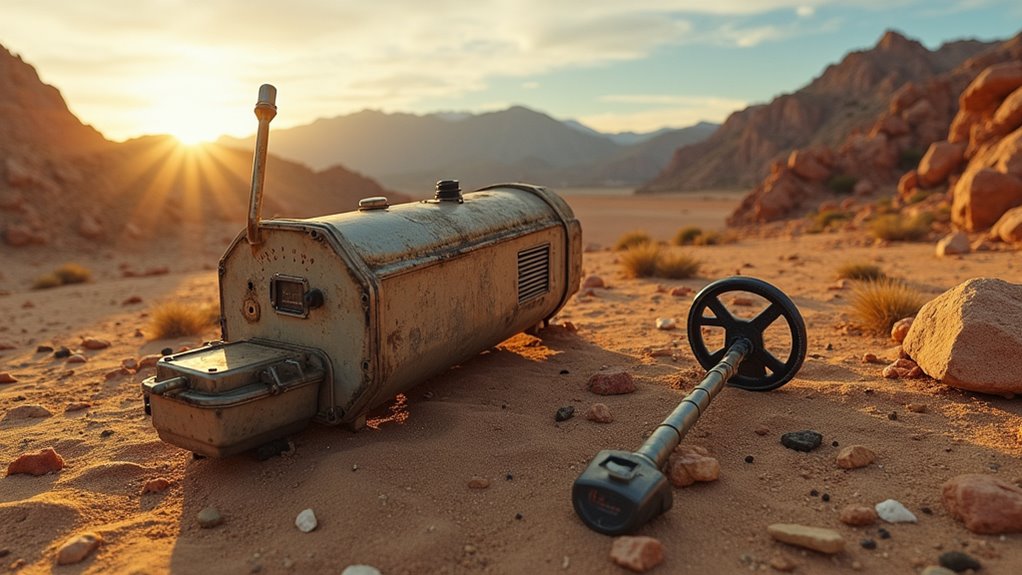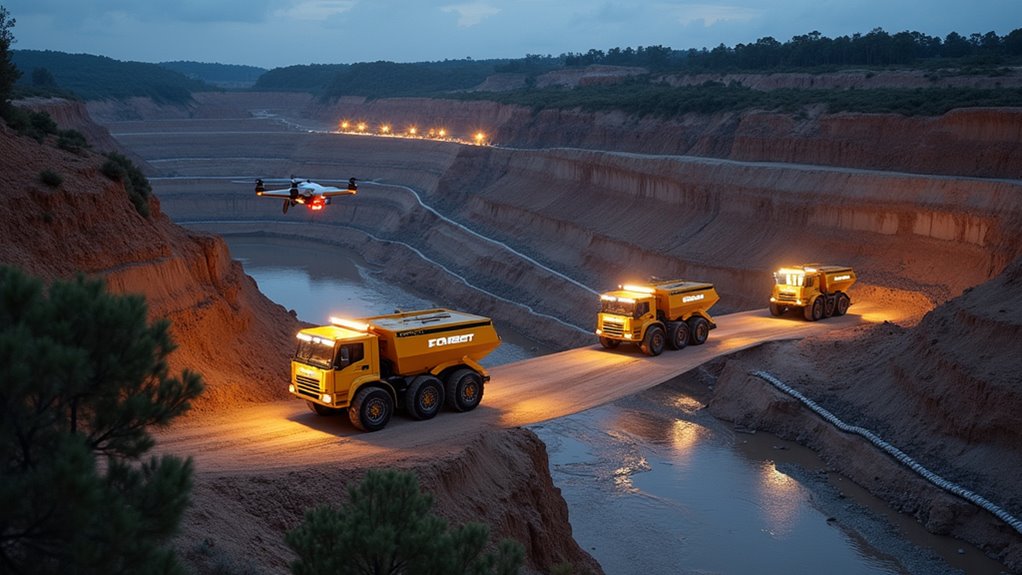

The gold mining sector’s getting a major tech facelift – and it’s about time! Autonomous vehicles prowl mine sites while AI algorithms crunch exploration data like never before. Smart sensors and robotics are revolutionizing safety protocols, while blockchain tech‘s making supply chains crystal clear. Environmental consciousness isn’t just buzz anymore; nanotechnology and IoT devices are turning “green mining” into reality. The industry’s dramatic shift toward automation and sustainability might just be the tip of this golden iceberg.

While the gold mining industry has historically relied on brute force and basic extraction methods, today’s operations are riding a massive tech wave that’s turning ancient practices on their head. The convergence of automation, robotics, and artificial intelligence is revolutionizing how mining companies extract the precious yellow metal from increasingly challenging deposits. Gone are the days when miners had to rely solely on intuition and experience – now, they’ve got an arsenal of high-tech tools at their disposal.
The integration of autonomous systems and AI-powered solutions is transforming every aspect of gold mining operations. Unmanned aerial vehicles buzz overhead, capturing detailed geological data while autonomous trucks traverse the mine site with clockwork precision. These innovations aren’t just fancy gadgets – they’re driving significant improvements in operational efficiency and worker safety. Machine learning algorithms crunch massive datasets to optimize equipment usage and predict maintenance needs, while robotic systems handle the most dangerous tasks that once put human lives at risk. Additionally, smart technology is enhancing the capabilities of these autonomous systems, enabling them to operate with greater precision and reliability. Furthermore, the choice between open pit and underground mining methods can significantly influence the effectiveness of these technological advancements. The use of automation in gold mining is crucial for maximizing productivity and ensuring safety in increasingly complex mining environments.
Smart machines and AI have revolutionized gold mining, replacing dangerous manual labor with safer, more efficient automated systems.
Environmental sustainability has become a critical focus in modern gold mining practices. Mining companies are leveraging nanotechnology and advanced water management systems to minimize their ecological footprint. Smart sensors and IoT devices monitor everything from toxic gas levels to water quality in real-time, while energy-efficient equipment helps reduce greenhouse gas emissions. These technologies aren’t just good for the planet – they’re also proving to be good for the bottom line.

The exploration phase of gold mining has undergone a particularly dramatic transformation. Remote sensing technology, combined with AI and geographic information systems, allows mining companies to identify promising deposits with unprecedented accuracy. Satellite imagery and drone-based surveys have slashed exploration costs while improving success rates. It’s like having x-ray vision for gold deposits, except way more reliable and scientifically sound.
Perhaps the most fascinating development is the emergence of digital twins and integrated data systems. These virtual replicas of mining operations enable companies to simulate different scenarios and optimize their processes before implementing changes in the real world. Meanwhile, blockchain technology is bringing unprecedented transparency to the gold supply chain, making it harder for bad actors to game the system. AI and data analytics are now key tools in enhancing operational efficiencies and ensuring sustainable practices.
The future of gold mining technology looks increasingly autonomous and environmentally conscious. As regulatory pressures mount and deposits become more challenging to access, innovation will continue to drive the industry forward. The integration of AI, robotics, and sustainable technologies isn’t just changing how we mine gold – it’s redefining what’s possible in the industry.
And while some old-school miners might grumble about all this newfangled tech, there’s no denying that these advances are making gold mining safer, more efficient, and more sustainable than ever before.
Frequently Asked Questions
How Does Gold Mining Impact Local Communities and Indigenous Populations?
Gold mining’s impact on local communities and indigenous populations is a messy cocktail of pros and cons.
While it creates jobs and economic opportunities, the industry often leaves a trail of environmental havoc – polluted water, deforested lands, and contaminated soil.

Indigenous peoples bear the brunt, facing displacement from ancestral territories and cultural disruption.
Health issues plague nearby residents, thanks to mercury exposure and air pollution.
The economic benefits? They rarely trickle down equitably.
What Percentage of Gold Mining Companies Currently Use Sustainable Practices?
According to recent industry data, approximately 38% of global gold mining companies implement significant sustainability measures – a figure that’s honestly not exactly crushing it.
While major players are all over the ESG bandwagon (because investors demand it), it’s the smaller operations dragging down the average.

Most big miners in developed markets are going green, but artisanal miners, making up 20% of production, are barely scratching the sustainability surface.
How Long Will Earth’s Remaining Gold Deposits Last at Current Mining Rates?
Based on current mining rates of 2,500-3,000 metric tons annually, Earth’s known gold reserves of roughly 50,000-54,000 metric tons could last approximately 15-20 years.
However, this timeline isn’t set in stone! Technological advances and new discoveries could extend it, while increased demand might shrink it.
The real kicker? Over 99% of Earth’s gold sits frustratingly out of reach in the planet’s core. Talk about playing hard to get!
What Are the Health Risks for Modern Gold Mining Workers?

Modern gold miners face a brutal cocktail of health hazards.
Underground workers battle respiratory nightmares like silicosis and tuberculosis from silica dust exposure, while chemical exposure to mercury and cyanide wreaks havoc on essential organs.
Physical dangers? They’re endless – from deafening machinery causing hearing loss to heat exhaustion in those sweltering depths.
Let’s not forget the infectious disease risks and mental health toll.

Mining gold’s still a deadly serious business, folks.
How Does the Gold Mining Industry Affect Global Water Resources?
Gold mining’s impact on global water resources is staggering – and not in a good way.
The industry gulps down billions of gallons annually, leaving parched communities in its wake. Mining operations pump groundwater like there’s no tomorrow, while toxic chemicals and heavy metals leak into waterways.
The real kicker? Acid mine drainage keeps on giving long after mines close, turning pristine rivers into chemical cocktails that’d make your head spin!