
Modern treasure seekers are ditching pricey metal detectors for smartphone apps that tap into their device’s magnetic sensors. “Gold Detector – Gold Finder” leads the pack with a solid 3.9 rating, while TreasureHunter3D offers next-level features for the serious prospector. These apps provide real-time alerts, depth estimates, and GPS tracking – tho they’re not quite replacement for traditional equipment. Environmental factors and device limitations can mess with accuracy, but the tech keeps evolving. There’s more beneath the surface of this golden app revolution.
How far would you go to find buried treasure? In an era where smartphones can supposedly detect precious metals, treasure hunters are turning to gold detector apps with a mix of skepticism and hope. While traditional metal detectors still reign supreme, these digital alternatives are making waves in the treasure-hunting community – for better or wurst.
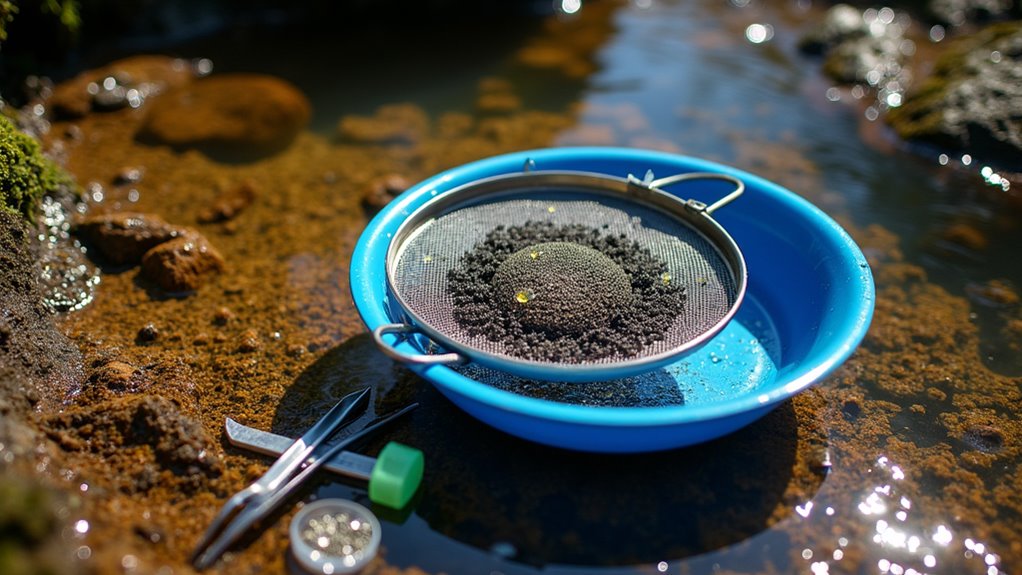
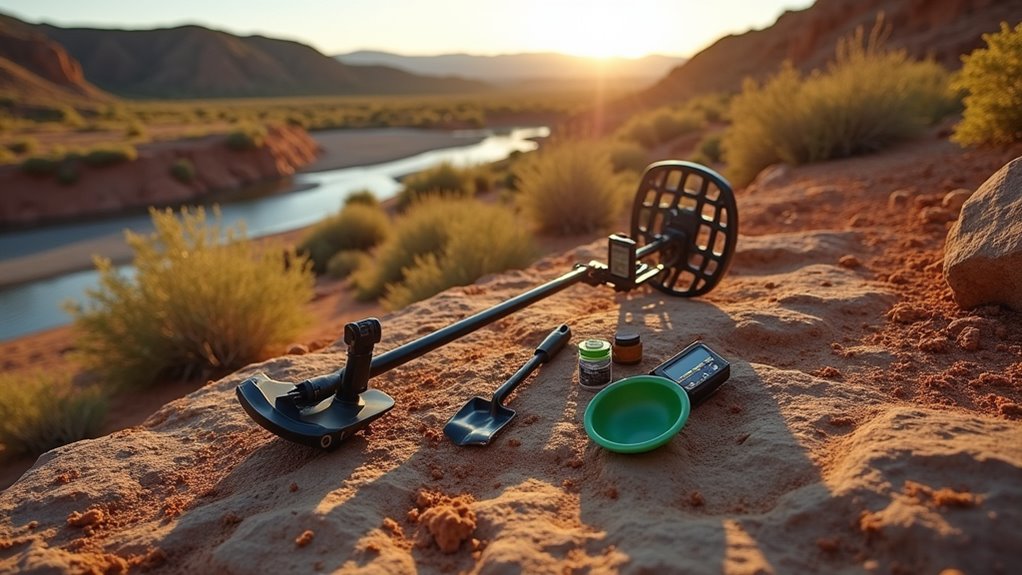
The current market leader, “Gold Detector – Gold Finder,” leverages your Android device’s magnetic sensors to detect metallic objects. It’s like having a metal detector in your pocket, minus the awkward sweeping motions that make you look like you’re swatting invisible mosquitoes. The app claims to detect gold, silver, and other precious metals, though results vary wildly depending on your phone’s sensor quality. With an impressive 3.9 rating from users, the app continues to gain traction among amateur prospectors. Additionally, it’s important to remember that gold pans remain a classic tool for those who prefer hands-on methods. Using a metal detector effectively requires ground balancing to improve accuracy and target signal detection. For those exploring remote areas, having the right essential gear for dry gold panning can complement your treasure-hunting efforts, including basic essentials like gold panning equipment that enhance the experience. Understanding the best regions for gold prospecting can also significantly improve your chances of success.
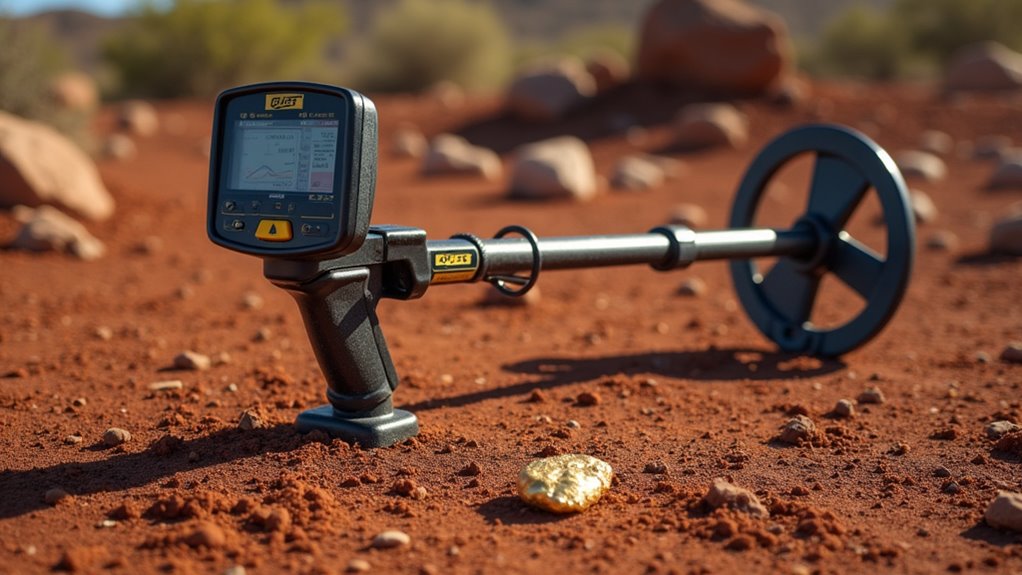
Modern treasure hunting goes mobile: Android sensors promise gold detection, minus the suspicious flailing of traditional metal detectors.
TreasureHunter3D takes things up a notch by requiring specific hardware – because apparently, your $1000 smartphone isn’t quite enough. The app offers impressive 3D visualizations of buried objects and can supposedly discriminate between different metal types. Professional archaeologists particularly value its 2D and 3D scan viewer capabilities for detailed analysis. But let’s be real: if it were that accurate, we’d all be retired millionaires sipping margaritas on private islands.

The most audacious claims come from “Gold Detector App 2025,” which boldly advertises satellite-based gold detection. Yeah, right – and unicorns run the Federal Reserve. However, it does offer some legitimately useful features like GPS tracking and offline functionality for those ventures into signal-less wilderness where dreams of striking it rich usually go to die.
These apps share common features: real-time detection alerts, depth estimation, and data management capabilities. Most include AR visualization features that make treasure hunting feel more like playing Pokemon Go for grown-ups with expensive tastes. The ability to export scan data to mapping software adds a layer of professionalism to what might otherwise feel like a high-tech version of a dowsing rod.
But before you quit your day job, consider the limitations. These apps are heavily dependent on your device’s magnetic sensor quality, and nearby electrical equipment can make them go haywire faster than a caffeinated squirrel. Non-ferromagnetic materials? Good luck. And in highly mineralized soils, these apps might just lead you on a wild gold chase.
Legal considerations also matter – treasure hunting isn’t just about downloading an app and digging up your neighbor’s garden. Local regulations, private property rights, and historical preservation laws need to be respected. Plus, there’s the whole environmental responsibility thing, because nobody wants to be that person who leaves holes everywhere like some deranged prairie dog.

The bottom line? While these apps might not replace traditional metal detectors, they’re evolving into increasingly sophisticated tools for the modern treasure hunter. Just remember: if finding gold were as easy as downloading an app, we’d all be… well, you know the rest.
Frequently Asked Questions
How Accurate Are Smartphone-Based Gold Detector Apps Compared to Professional Equipment?
Smartphone gold detector apps fall dramatically short of professional equipment’s capabilities.
While apps detect metals within 15-30cm using basic magnetometers, pro gear leverages advanced tech like pulse induction to reach several meters deep.
Apps miss about 60-70% of what real detectors catch and can’t reliably distinguish gold from other metals.

Pro equipment’s sensitivity is 10-100x greater, making apps little more than novelty tools for casual hobbyist’s.
Can Gold Detector Apps Work Without an Internet Connection?
Yes, most gold detector apps can function offline, leveraging your phone’s built-in magnetometer for metal detection.
The apps typically download essential detection algorithms during initial setup, then work independently without internet. While offline, they’ll still provide real-time scanning, vibration alerts, and sensitivity adjustments – though you’ll miss out on fancy features like database updates and community sharing.
Just don’t expect miracles; offline modes sometimes struggle to distinguish gold from other metals.
Will These Apps Detect Other Precious Metals Besides Gold?

Yes, these apps can detect various precious metals, though with varying degrees of success.
While primarily marketed for gold, they’ll pick up silver, copper, and platinum – basically anything that affects the phone’s magnetic sensors.
But here’s the kicker: non-ferrous metals like gold and silver actually give weaker readings than iron-based metals.
The apps struggle to tell one precious metal from another, making them more of a general metal detector than a gold-specific tool.
What’s the Maximum Depth These Apps Can Detect Metals Underground?

Mobile metal detector apps max out at around 30 cm (12 inches) underground in ideal conditions – that’s basically pocket depth compared to pro gear!
The actual detection range depends heavily on your phone’s magnetometer sensitivity and terrain conditions. In mineralized soil or rough ground? Forget it – you’re looking at even shallower depths.
These apps are really just glorified magnetic field readers, nothing like those beast-mode professional detectors that can punch down to 5 meters.
Do Gold Detector Apps Drain Phone Battery Faster Than Regular Apps?
Gold detector apps are absolute battery vampires! They drain power 2-3x faster than regular apps due to their constant sensor usage, GPS tracking, and camera functions.
Unlike your casual social media scroll, these apps keep multiple phone systems running simultaneously – it’s like running a marathon vs taking a stroll.

Pro tip: pack a portable charger, because these detector apps will suck your phone dry faster than you can say “Eureka!”