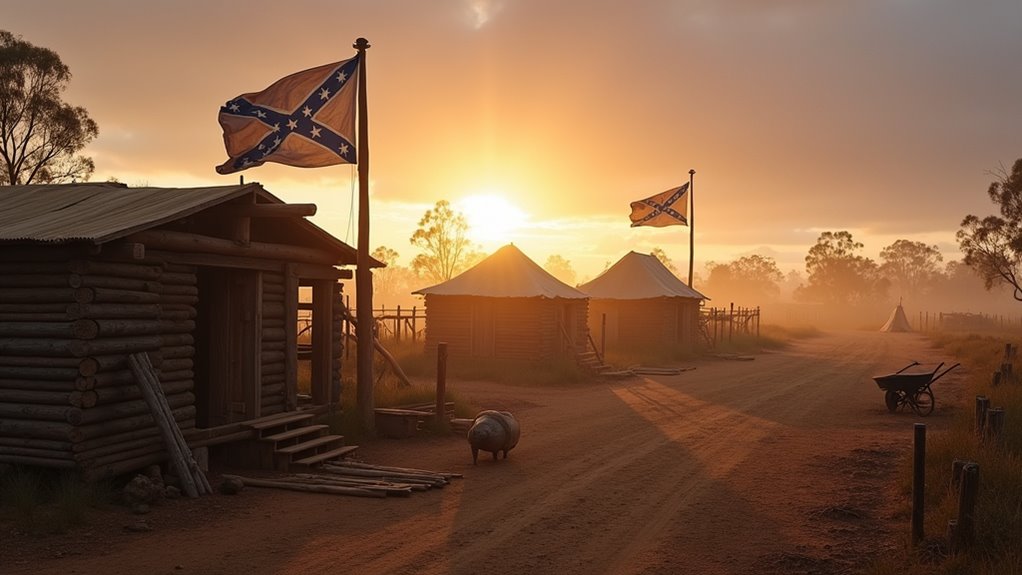
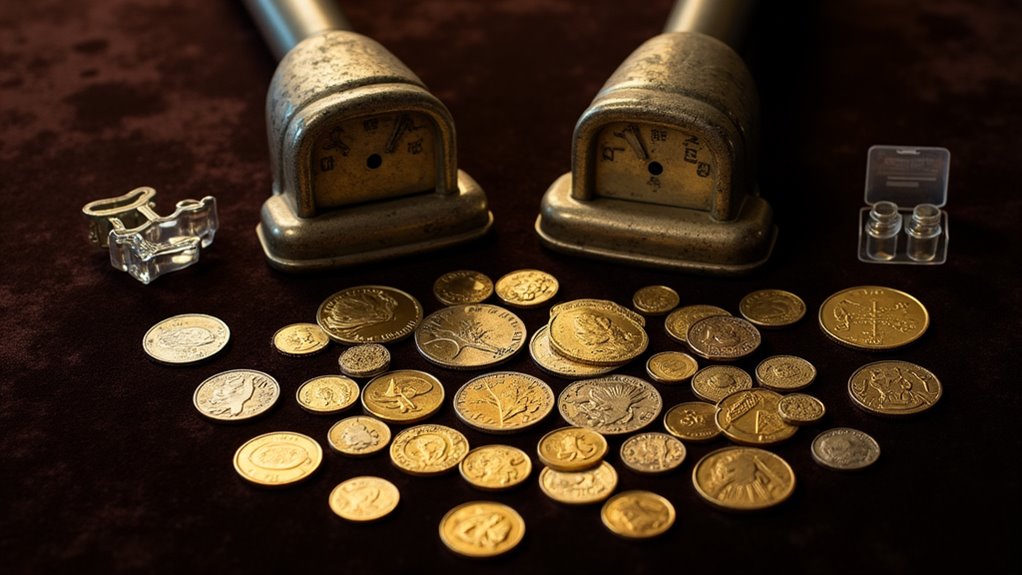
In 1715, Spain’s treasure fleet – eleven vessels loaded with an astronomical fortune – met its catastrophic end off Florida’s coast. A monster hurricane with 100+ mph winds smashed the ships into splinters, creating a 20-mile trail of destruction. Nearly 1,000 souls perished, including Captain-General Ubilla. The disaster rocked Spain’s empire, forcing stricter naval protocols and spawning centuries of treasure hunting. Modern divers still uncover glittering secrets from this epic maritime catastrophe.

When Spain’s mighty treasure fleet departed Havana during peak hurricane season in 1715, no one foresaw the catastrophic fate awaiting the eleven heavily-laden vessels. The flotilla, consisting of ten Spanish ships and one French vessel, carried an astronomical fortune in gold, silver, and precious gems – the kind of wealth that would make modern-day billionaires look like penny-pinchers.
Talk about a weather forecast gone wrong! On July 30, Mother Nature released her fury with winds exceeding 100 mph, turning the Caribbean into a sailor’s worst nightmare. The fleet, already struggling with the treacherous Bahama Channel, found itself caught in 20-foot swells that tossed ships around like toys in a bathtub. By dawn, every single vessel lay broken along Florida’s eastern coast, creating a devastating 20-mile trail of destruction and lost treasure.
Nature unleashed her wrath that July day, turning mighty ships into splinters and scattering Spanish treasure across Florida’s merciless shores.
The human toll was staggering – roughly 1,000 souls out of 2,500 passengers and crew perished in the disaster, including Captain-General Ubilla (who probably wished he’d picked a different career that day). The survivors? They weren’t exactly living it up on a tropical beach. These poor souls faced Florida’s inhospitable coast, where survival meant dealing with everything except complimentary mai tais and beach umbrellas.

Spain’s bean counters must’ve had a collective heart attack when they realized the magnitude of their losses. We’re talking about enough precious metals to make Fort Knox jealous! The immediate salvage efforts were like an 18th-century version of a gold rush, with indigenous divers and enslaved laborers doing the heavy lifting. But here’s the kicker – centuries later, modern treasure hunters are still finding goodies from this maritime catastrophe. The incident highlighted the strategic importance of gold as a reserve asset for nations, as it represented not just wealth but also economic stability. This was particularly crucial during times of economic uncertainty, as gold has historically been seen as a safe haven asset. In fact, many countries today still hold gold reserves to bolster their national economies.
The disaster had Spain’s royal accountants pulling their hair out. The temporary halt in treasure shipments left the empire’s coffers looking about as healthy as a chocolate bar in the sun. It’s no wonder they quickly introduced stricter naval protocols – though that didn’t stop another fleet from meeting a similar fate in 1733 near the Florida Keys (because apparently, lightning does strike twice).
Today, these shipwrecks are like underwater museums, forming part of Florida’s Maritime Heritage Trail. Every piece of eight and gold bar discovered tells a story of Spain’s maritime ambitions gone terribly wrong. Modern divers and treasure hunters continue to explore these sites with the same wide-eyed enthusiasm as kids opening presents on Christmas morning. Additionally, the environmental impact of such salvage operations raises questions about sustainable practices in preserving these historical sites.
And while the disaster may have happened over 300 years ago, it serves as a reminder that when Mother Nature decides to throw a tantrum, even the mightiest fleet loaded with unimaginable riches is no match for her fury.
Frequently Asked Questions
How Much Treasure From the Spanish Fleet Remains Undiscovered Today?
Experts estimate a mind-boggling 50-70% of the Spanish fleet’s treasure still lurks beneath Florida’s waves.
We’re talking billions in gold, silver, and artifacts scattered across the Treasure Coast!

Recent tech advances have helped unearth some epic finds, like 2015’s $4.5M gold score off Vero Beach, but most remains frustratingly elusive.
Shifting sands, legal red tape, and Mother Nature’s mood swings keep these riches playing hard-to-get.
What Tools and Methods Were Used to Salvage Shipwrecks in 1715?
Salvage crews in 1715 relied on surprisingly simple tools to recover sunken riches.
Divers used weighted suits and primitive air pumps while exploring shallow waters. Grappling hooks dragged from boats helped snag treasures, while sounding leads located wrecks.

Basic pulley systems hoisted heavy items like cannons. Teams worked from makeshift camps along shorelines, using survivor knowledge and crude maps to pinpoint wreckage locations.
Manual labor and basic nets did most of the heavylifting.
Were There Any Survivors From the Hurricane-Stricken Spanish Treasure Fleet?
Despite the devastating 1715 hurricane, numerous sailors survived the fleet’s destruction.
Admiral Don Francisco Salmon organized initial rescue efforts, dispatching a repaired launch to Havana for help.

Official records show varying survival rates – the San Ignacio had just 14 survivors, while other vessels fared better.
Survivors faced brutal challenges: dehydration, hostile natives, and disease-carrying mosquitos.
Many died before help arrived from Cuba, but those who made it played vital roles in salvage operations.
Did Pirates Attempt to Locate and Raid the Sunken Ships?
Pirates absolutely pounced on those sunken ships!
Henry Jennings led the charge, raiding Spanish salvage camps and making off with recovered treasure in early 1716.

Other opportunistic pirates swooped in when Spanish officials temporarily abandoned their camps, snatching whatever precious metals they could find.
Using intel from survivors and local informants, pirates tracked down wreck locations and systematically looted them – talk about a golden opportunity!
How Accurate Were the Spanish Records of Cargo Loaded Onto These Ships?
Spanish records of cargo were surprisingly meticulous, yet far from foolproof. Officials maintained detailed manifests with cross-verification systems, primarily to protect the crown’s “Quinto Real” tax share.
However, archaeological findings often reveal significant discrepancies between documented and actual cargo. Smuggling, bribery, and deliberate underreporting were common practices.

Despite these limitations, Spanish documentation remains essential for understanding colonial trade patterns and economic history.