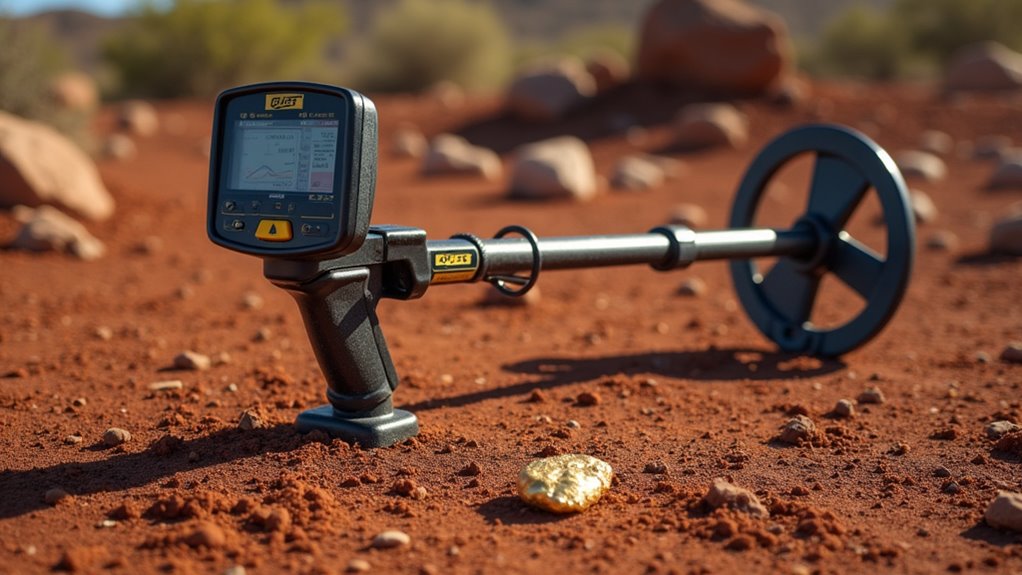
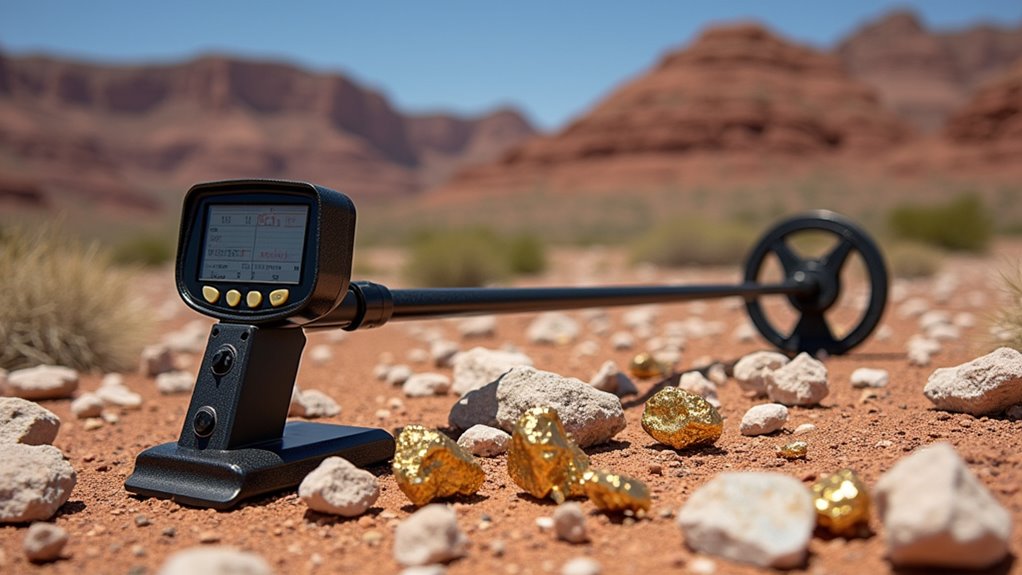
Modern gold dredges are basically underwater vacuum cleaners on steroids, transforming old-school panning into a high-tech gold-grabbing operation.
These beasts range from backpack-sized units to massive commercial rigs, sucking up previously untouchable deposits from riverbeds. Sure, environmentalists are throwing fits about sediment disturbance, but these machines keep proving their worth in the mining game.
While profitability isn’t guaranteed, proper equipment and know-how can reveal serious golden opportunities beneath the surface.

Modern gold dredging has revolutionised the way prospectors extract the shiny stuff from waterways, and it’s about bloody time. Gone are the days of standing knee-deep in freezing water with a pan and a prayer.

Today’s dredges are powerful underwater vacuum cleaners that suck up tons of riverbed material, making old-timers’ methods look like child’s play.
These machines are absolute beasts. From tiny portable units weighing just 40 pounds to massive commercial operations with 20-inch intake pipes, modern dredges are changing the game.
Surface dredges float like oversized rubber duckies, while submersible units dive deep where no prospector has gone before. And yeah, they’re pretty bloody efficient at what they do. The newer backpack-sized dredges allow miners to reach previously inaccessible gold deposits.
The best spots for finding gold are at river bends where the current naturally deposits precious materials. Choosing the right gold washing plant can further enhance the efficiency of your gold recovery operation.
Modern dredges pack serious punch – from backpack-sized units to monster rigs, these beauties make old-school prospecting look like child’s play.

The tech behind these bad boys is actually quite clever. You’ve got your water pump pushing through a network of hoses, feeding into a sluice box with more ridges than a corrugated roof.
The classifier systems are designed to sort particles better than your grandma organises her recipe box. Those oversized jet-flare thingos? They stop rocks from jamming up the works – genius, really.
Here’s where it gets interesting (or controversial, depending on who you ask). These dredges can access gold deposits that were previously about as reachable as a politician’s conscience. They’re replenishing gold in streams and rivers, which sounds fab until you realise they’re also stirring up more drama than a reality TV show. Environmental impact?
Yeah, that’s a whole can of worms right there.

The efficiency of modern gold recovery is nothing to sneeze at. With “wave” classifiers creating a pulsing action and secondary recovery systems catching the tiny bits, these machines are proper gold-catching weapons. But it’s not all sunshine and nuggets – you’ve gotta balance processing speed with gold retention, or you’ll end up with jack all for your efforts.
From a business perspective, gold dredging’s not too shabby. When the economy‘s going down faster than a lead sinker, gold stays pretty stable. Plus, with the right equipment and some decent prospecting skills, you can actually make a quid. Just don’t expect to get rich quick – this ain’t some get-rich-quick scheme from your cousin’s Facebook page.
The future of gold dredging? Well, it’s complicated. Regulations are tighter than a fish’s whatist, varying from place to place. Some reckon it’s destroying waterways, others say it’s cleaning them up. But one thing’s certain – these modern dredges are here to stay, whether the critics like it or not.
And for those willing to put in the hard yakka, there’s still plenty of gold in them there streams. Just remember to check your local regs before you go all Gold Rush on your nearest river.
Frequently Asked Questions
How Much Does a Professional Gold Dredge Typically Cost?
Professional gold dredges ain’t cheap – you’re looking at serious coin depending on size.
Small 2-inch models start around $2.5k, but that’s amateur hour. Real pros use 4-8 inch dredges costing $5k-$20k+.

Want the big boy toys? 10+ inch monsters’ll set ya back $50k or more.
Brand matters too – Keene and Proline command premium prices, while dodgy Chinese knockoffs go cheaper.
Size = capacity = price, simple as that.
What Permits Are Required to Operate a Gold Dredge Legally?
Operating a gold dredge legally is a bureaucratic nightmare.
You’ll need federal permits like the Clean Water Act Section 404 and NPDES permit from the feds. States demand their own environmental quality permits, mining registration, and water rights.

Even local councils want their cut with business licences and zoning permits. Plus there’s yearly renewals, size restrictions on gear, and seasonal limits.
The whole system’s designed to make ya jump through hoops.
How Long Does It Take to Learn Proper Gold Dredging Techniques?
Learning proper gold dredging ain’t a weekend hobby – it’s a serious commitment.
Basic techniques take 1-2 weeks, but mastering the craft? That’s a different story. Expect 2-4 weeks for nozzle control, 1-3 weeks for equipment setup, and 1-2 months to grasp river geology.

The real pros? They’ve put in 2-3 years developing advanced skills like deep gravel extraction and paystreak evaluation.
No shortcuts here – just hard work and time.
Can Gold Dredging Be Profitable as a Part-Time Hobby?
Gold dredging as a part-time hobby? Let’s get real.
Most weekend warriors barely cover their fuel costs. Sure, you might hit the occasional sweet spot, but don’t quit your day job.
Between equipment costs, permits, and seasonal restrictions, breaking even is a win. The pros who make it work’ve spent years learning the trade.
For casual dredgers, it’s more about the thrill of the hunt than filling their pockets.
What Safety Certifications Are Needed for Commercial Gold Dredge Operations?
Commercial gold dredge ops ain’t messin’ around – they need proper paperwork or they’re toast.
USCG documentation is mandatory for regulated vessels, plus annual marine surveys from NAMS/SAMS pros.
Safety exams? You betcha. DNR’s watching like a hawk.
Crew training records better be spotless too.
Skip these certs and you’re looking at hefty fines or shutdown.
No shortcuts here – safety regs are there for a good reason.