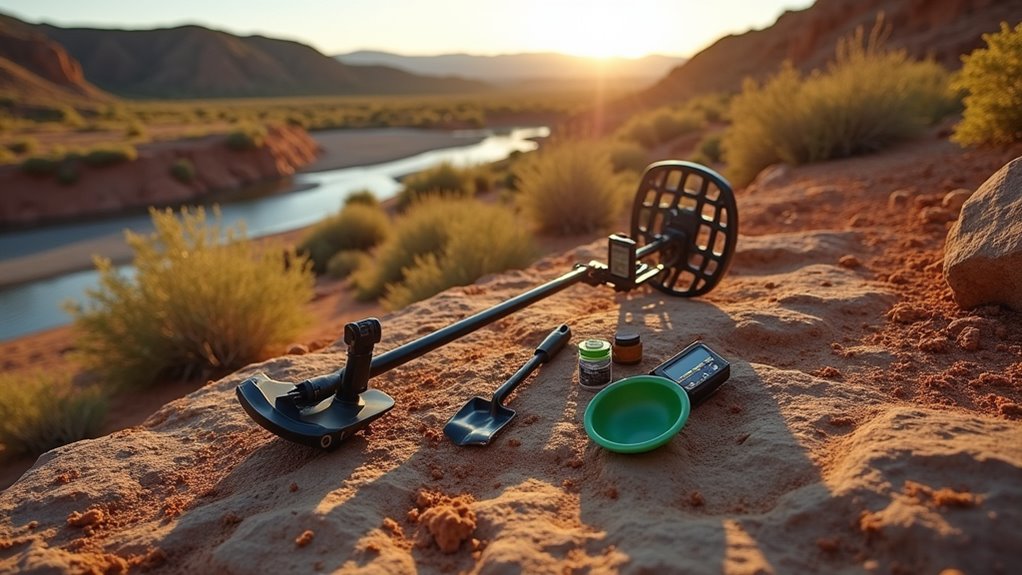
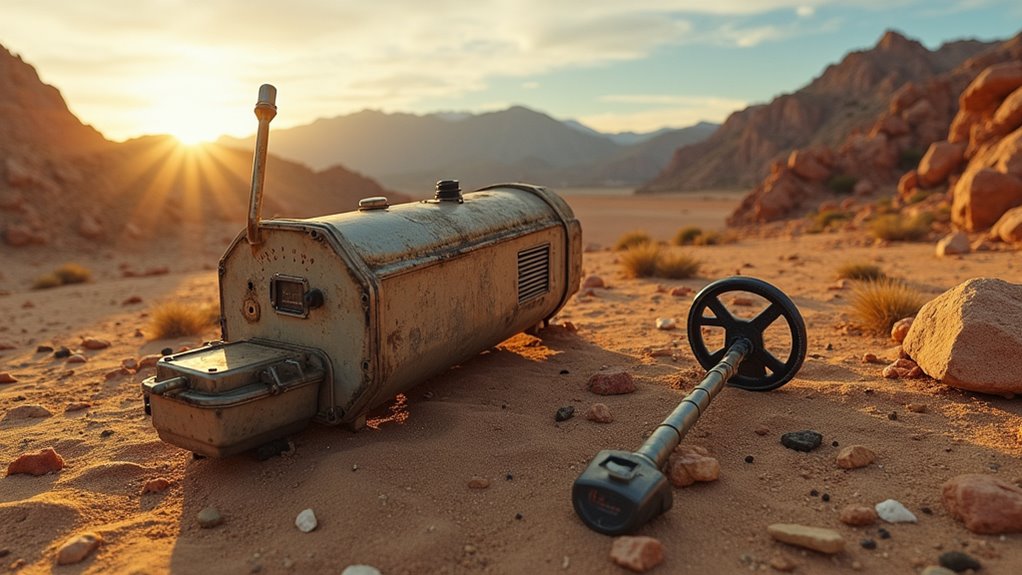
Modern gold washing plants are seriously upping their game, smashing through hundreds of tonnes per hour with recovery rates that’d make old-timers weep.
SYOGM’s beast captures gold down to 5 microns, while DOVE’s setup claims a cheeky 100% recovery rate. CDE’s fancy tech and 911Metallurgist’s eco-friendly approach prove there’s more than one way to skin this cat.
Traditional sluice systems still hold their own against these flashy newcomers – but that’s just scratching the surface.

Gold mining isn’t just about luck and a rusty pan anymore, mate. The modern gold recovery game has evolved into a high-tech showdown of efficiency and innovation, with wash plants leading the charge in revolutionising how we snag those precious yellow bits from Mother Earth.

Let’s cut straight to the chase – SYOGM’s Advance Wash Plant is a proper beast, handling up to 300 tonnes per hour with state-of-the-art tech that’ll catch gold particles as tiny as 5 microns. Their concentrate room‘s got more security than your local bank, which tells you everything you need to know about their serious approach to recovery. The system utilizes dragline excavators to remove massive amounts of overburden while minimizing ground disruption. Additionally, the crushing and milling processes used prior to washing are critical for maximizing gold extraction efficiency.
The 911Metallurgist plants are the eco-warriors of the bunch, recycling water like its going out of style and actually giving a toss about mine rehabilitation. Sure, some oldtimers might scoff at their environmental compliance, but their efficient classification system and sluicebox setup are delivering the goods while keeping things green. The plant’s settling pond series ensures optimal water recycling and prevents contamination of nearby streams.
DOVE’s come out swinging with their range of portable plants that’ll process anywhere from 10 to a whopping 1,000 metric tonnes hourly. They’re bragging about 100% recovery rates for both gold and diamonds – ambitious claim, that – but their multi-stage jig concentrators and advanced centrifugal tech suggest they might actually back it up.
CDE’s setup is proper clever, using their AggMax Logwasher to sort out clay-contaminated material like nobody’s business. Their Infinity Screens and hydrocyclone tech make for a sophisticated sorting system that’d make your grandmother’s gold pan look like a kiddie toy. Bit flash? Maybe. But sometimes flash gets results.

The Macon Industries SD-600 is built like a brick dunny, with fully welded construction that’ll cop whatever you throw at it.
It’s pushing through 300-450 tons per hour, and the plant-mounted generator means you won’t be stuffing around with external power sources in the middle of nowhere.
Gold Rattler’s got some tricks up its sleeve with that redesigned upper shaker deck. Their spray bars’ll break down clay clots faster than a hot knife through butter, and the deflection plate makes cleanup less of a headache than your typical Saturday morning hangover.
Speaking of tried and true, sluice box-based systems are still dominating North American commercial operations. Some might call em old school, but with modern additions like vortex systems and Dream Mats, these reliable workhorses are proving theres life in the old dog yet.

Sure, some operators are ditching traditional riffles for fancy drop systems, but at the end of the day, gravity and density separation still reign supreme in the gold game.
Frequently Asked Questions
How Long Does It Take to Set up a Gold Washing Plant?
Setting up a gold washing plant ain’t a one-size-fits-all deal.
Small portable units can be cranking in 1-2 days, while those massive 500-ton beasts might take 2 weeks to get running. It’s all about size, site prep, and how many hoops you gotta jump through.
Weather can stuff things up royally.

Throw in permits, dodgy ground conditions, or a lazy crew and you’re looking at serious delays. No sugar-coating it – proper setup takes time.
What Permits Are Required to Operate a Gold Washing Plant?
Operating a gold washing plant? Mate, you’re in for a bureaucratic nightmare.
You’ll need federal permits like CWA NPDES and EPA authorisation – there’s no dodging those. States want their piece too – environmental quality approvals and water discharge permits are just the start.
Don’t forget local council’s red tape – zoning compliance and land use permits.

And yeah, enviro monitoring‘s mandatory. Welcome to the wonderfully complex world of mining regs!
How Much Water Is Needed per Hour for Efficient Operation?
Water requirements vary drastically based on operation size.
Small setups need around 500-800 gallons per minute, while medium operations demand 1,260-1,500 gpm.
The big boys? They’re guzzling 2,400-3,200 gpm – that’s some serious H2O!
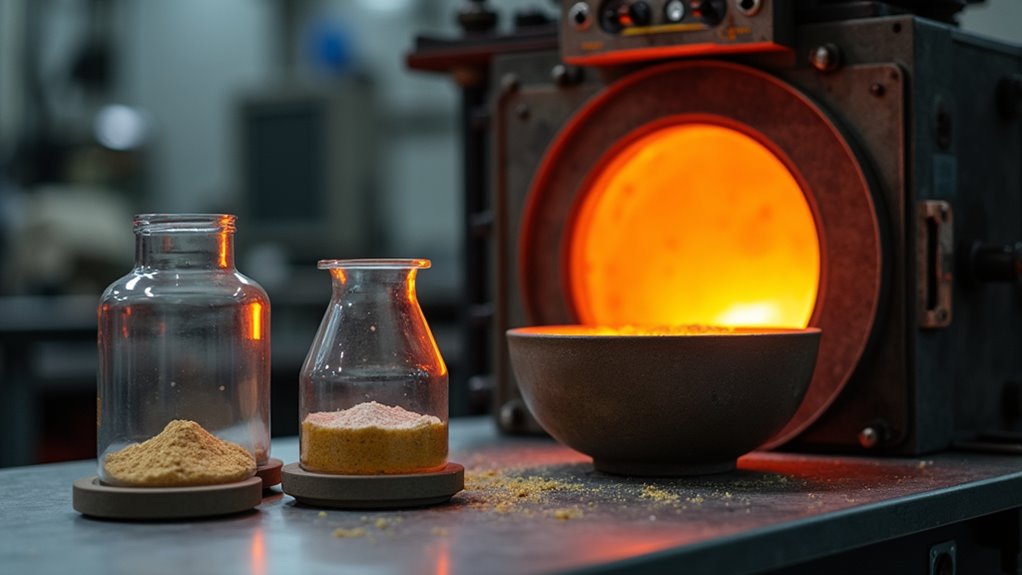
Material type, particle size, and equipment setup impact these numbers too.
Let’s face it – mining’s thirsty work. Better have a reliable water source nearby, or you’re stuffed mate!
Can Gold Washing Plants Be Used in Freezing Temperatures?
Gold washing plants can operate in freezing temps, but it’s a real pain in the arse.
You’ll need serious winterization – think heat tracing, antifreeze solutions, and insulated components. Without proper prep, the whole system can freeze solid overnight.
Some operators get crafty by stockpiling thawed material for the coldest days.
Bottom line: it’s doable with the right setup, but expect higher operating costs and more maintenance headaches than warmer climates.
What Is the Minimum Gold Content Needed for Profitable Recovery?
Look, there’s no magic number – it’s all about context. Open-pit mines can scrape by with 1 gram per tonne, while underground operations need at least 2.5 g/t to stay afloat.
But here’s the kicker: gold prices, recovery methods, and operating costs change everything. Some massive operations make bank on 0.5 g/t, while others need 10+ g/t to turn a profit.
It’s not just about grade – it’s about working smarter, not harder.