During WWII, Japanese General Tomoyuki Yamashita masterminded Operation Golden Lily – arguably the most daring treasure heist in modern history. His forces plundered Southeast Asia’s wealth, stashing billions in gold bars, jewels, and artifacts throughout the Philippines’ underground network. When Japan’s defeat loomed, the treasure vanished into thin air. Today, fortune seekers still chase Yamashita’s legendary gold, but the truth behind this massive wartime cache remains buried beneath layers of mystery.

Buried beneath the jungles of the Philippines lies one of World War II‘s most tantalizing mysteries – Yamashita’s Gold, a legendary hoard of plundered Asian treasure that’s driven treasure hunters mad for decades.
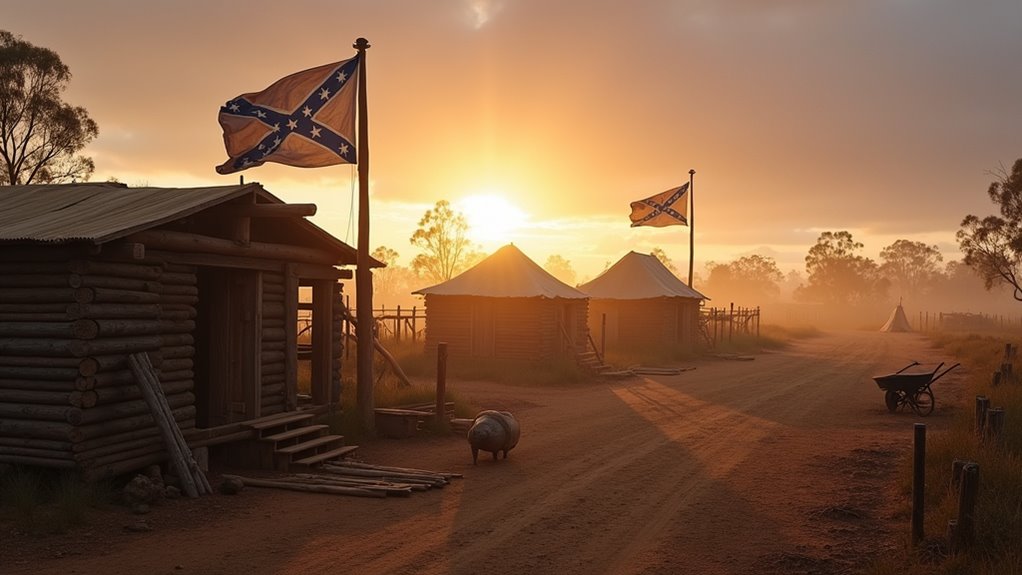
The tale begins with General Tomoyuki Yamashita, the infamous “Tiger of Malaya,” who orchestrated Operation Golden Lily – a massive undertaking to stash away billions in looted gold, jewels, and priceless artifacts from across Southeast Asia. As Japan’s defeat loomed in WWII, the Imperial Army frantically dug tunnels, caves, and bunkers throughout the Philippine archipelago, creating an underground labyrinth worthy of an Indiana Jones film.
The treasure’s estimated value? Let’s just say it’d make Bezos blush. We’re talking mountains of gold bars, ancient artifacts, and enough precious stones to fill a small country’s coffers. But here’s the kicker – Japan’s carefully laid plans to ship this motherlode home went sideways when Allied forces established their naval blockade in the Pacific. Talk about a logistics nightmare!

The plot thickens with reports that these hiding spots weren’t your average storage units. They were booby-trapped to the teeth, designed by military engineers who clearly watched too many temple-of-doom flicks. Even more intriguing is the rumor that American forces, led by none other than General Douglas MacArthur himself, might’ve stumbled upon some of this buried bling and used it to bankroll Cold War shenanigans.
Despite decades of treasure hunting (or perhaps because of it), the Philippines now enforces strict regulations on would-be Indiana Joneses. Want to dig? Better have deep pockets for those licenses and fees. Meanwhile, ethical debates rage on about who’d actually own any discovered treasure – the Filipino people, the nations it was stolen from, or the lucky schmuck who finds it.
The whole saga has spawned countless books, documentaries, and enough wild theories to fill Manila Bay. Some historians roll their eyes, suggesting the legend’s grown taller than a coconut tree. But that hasn’t stopped fortune seekers from burning through their life savings on the hunt, while critics argue the myth exploits desperate Filipinos dreaming of striking it rich.
Interestingly, the environmental impact of gold mining is a critical issue, as sustainable practices are necessary to mitigate ecological damage caused by treasure hunting activities. Gold recycling can also play a role in reducing the need for new mining operations. Moreover, the promotion of conflict-free sourcing is essential to ensure that any gold recovered does not perpetuate further exploitation. Gold has long been viewed as a safe haven asset during periods of economic turmoil, which adds to its allure in the treasure hunting narrative. Whether Yamashita’s Gold exists in the magnitude described remains anyone’s guess. But one thing’s certain – this wartime tale of plunder, deception, and hidden riches continues to captivate imaginations worldwide. It’s a reminder of war’s brutal legacy and humanity’s eternal obsession with buried treasure.

Just don’t expect to see any genuine Golden Lily maps on eBay anytime soon – those Japanese officers took their secrets to the grave, leaving us with nothing but theories and dreams of striking gold in the Philippine jungle.
Frequently Asked Questions
How Many People Have Died Searching for Yamashita’s Gold?
While exact numbers remain elusive, hundreds of documented deaths have been linked to Yamashita’s Gold hunts since WWII.
Reports indicate at least 90 confirmed fatalities from cave collapses, unexploded ordinance, and toxic gas exposure.
Dozens more disappeared in remote terrain.

Local records suggest another 50-60 deaths from violent disputes between rival hunters.
The true death toll is likely higher, considering unreported incidents and the treasure’s secretive nature.
What Role Did Ferdinand Marcos Play in the Treasure Hunt?
Ferdinand Marcos played a major roll in the hunt for the legendary treasure during his presidency.
He reportedly hired treasure hunters like Olof Jonsson and used military forces to conduct secret recovery operations.

Critics say he looted finds from other hunters, most significantly Rogelio Roxas’s golden Buddha statue.
Marcos’s wealth, estimated between $10-100 billion, sparked speculation that he’d actually found massive amounts of the treasure but kept it hidden from public view.
Are There Any Verified Photos of the Discovered Treasure?
While numerous photos exist claiming to show Yamashita’s treasure, none have been officially authenticated.
The most notable images come from Rogelio Roxas‘s discovery of a golden Buddha statue in the 70’s and photos of Imelda Marcos with alleged treasure pieces.

However, without proper forensic analysis or independent verification, these photos remain in the domain of speculation.
Even the widely-circulated Marcos family photos lack credible documentation to prove their authenticity.
Which International Organizations Are Involved in Tracking the Missing Gold?
Several major organizations have pursued the missing gold, though few have made official progress.
The United Nations occasionally references it in war loot discussions, while international courts handled cases like the ’88 Hawaiian lawsuit.

Swiss banks caught flak for their alleged role in hiding assets.
The CIA’s reported involvement raised eyebrows, especially after removing key documents from public records.
Private military firms keep poking around too – but results? Zip.
How Much of the Treasure Is Believed to Remain in Private Collections?
Exact figures of privately-held treasure remain elusive, but historians estimate up to 6,000 tonnes of gold could still be unaccounted for.
While some speculate large portions exist in private vaults (especially in the Philippines), hard evidence is scarce.
The Marcos family’s confirmed possession of artifacts, including a golden Buddha statue, suggests significant amounts made their way into private collections, though the true scale remains a mystery shrouded in rumor and speculation.