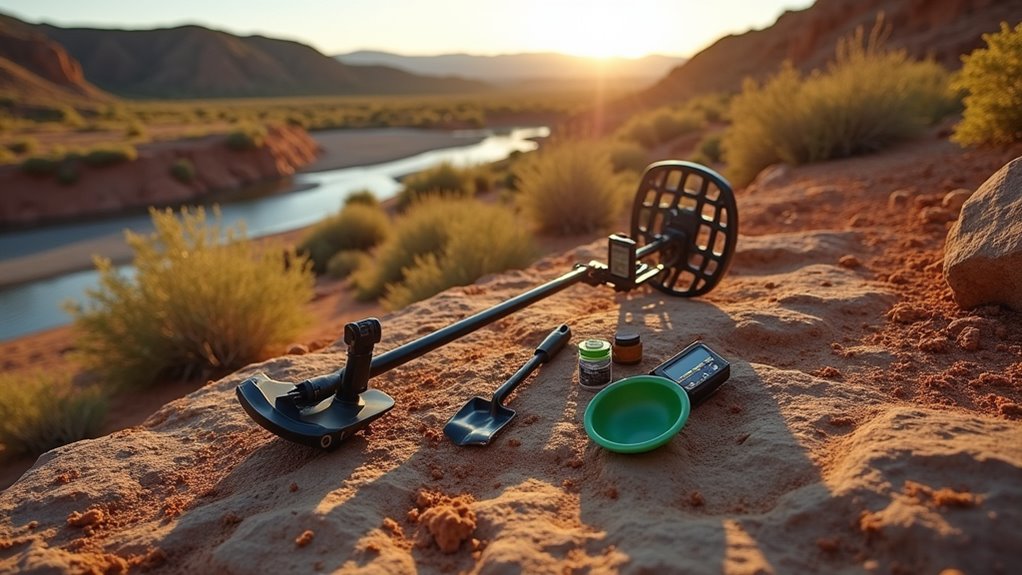
The gold mining industry is finally cleaning up its grubby act.
Through Fairtrade and Fairmined certifications, companies are now compelled to pay fair wages, ban child labour, and contribute to community development. Environmental practises have improved dramatically, with proper land management and non-toxic processing becoming standard.
Blockchain tracking guarantees transparency, while new tech helps monitor safety. It’s not perfect – but sustained pressure from activists and consumers is transforming this notoriously dirty industry.
Dig deeper to uncover how this glittering sector continues evolving.


Gold mining has earned itself a dodgy reputation over the years – and fair bloody enough. The industry’s been a right mess of environmental destruction, worker exploitation, and enough dodgy dealings to make a politician blush. But here’s the thing: some companies are actually pulling their heads in and cleaning up their act.
Take Fairtrade and Fairmined gold for starters. These certifications aren’t just fancy labels – they’re proper game-changers. Miners get fair wages regardless of gender (shocking that we still need to spell that out), and child labour is banned outright. Plus, there’s a $2,000 premium per kilo that goes straight back into community development.
Not too shabby when you’re talking about building schools and medical centres in areas that desperately need them. Additionally, the adoption of ethical gold sourcing practices ensures that the gold is mined without contributing to conflict or exploitation.
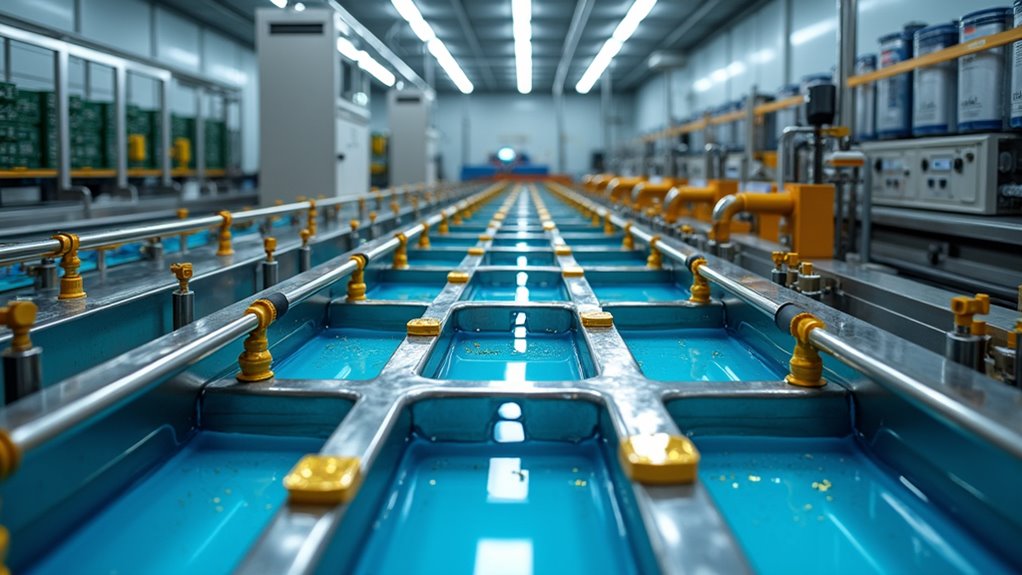
The environmental side of things is getting a makeover too. Gone are the days when mining companies could just rock up and destroy everything in sight. Now there’s proper land management, water treatment processes, and actual efforts to protect biodiversity. Some operations are even using non-toxic processing methods – turns out you don’t need to poison everything to get the shiny stuff out of the ground.

A new certification scheme launched in 2022 specifically targets the removal of mercury from mining operations. The implementation of gravity separation methods has proven highly effective in reducing environmental pollution.
Worker safety has finally made it onto the agenda, and about bloody time. Companies are providing proper protective gear and training, and miners are getting paid what they’re worth.
It’s not rocket science – treat people like humans, and suddenly your operation runs better. Who’d have thought?
The really clever bit is how they’re tracking all this. Blockchain technology means every bit of gold can be traced from mine to market. No more dodgy dealers shifting questionable gold through back channels.

The Extractive Industries Transparency Initiative makes companies publish what they’re paying to governments – sunshine is the best disinfectant, as they say.
These changes aren’t happening because mining companies suddenly grew consciences. It’s because consumers started asking questions and certification bodies started holding feet to the fire. The Responsible Jewellery Council, World Gold Council, and others have set standards that actually mean something.
The tech side’s getting interesting too. Remote monitoring devices keep an eye on safety protocols, and there’s some seriously clever innovation happening in reclamation techniques. They’re even working on energy-efficient tech to cut down on greenhouse gas emissions.
Look, nobody’s pretending the industry’s perfect – there’s still plenty of cowboys out there doing the wrong thing. But the fact that ethical mining practices are becoming mainstream is something worth noticing. When the big players start cleaning up their act, you know the winds of change are blowing. And for an industry that’s been stuck in the dark ages for so long, that’s not half bad.
Frequently Asked Questions
How Long Does It Take to Establish a Responsible Gold Mining Operation?
Let’s get real – establishing a responsible gold mining operation ain’t quick.

We’re looking at a 5-7 year timeline, mate. From feasibility studies to environmental assessments, infrastructure development to operational systems – it’s a marathon, not a sprint.
The certification process alone takes 3 years. Some reckon it’s overkill, but that’s what it takes to do things right.
No shortcuts when you’re digging up Mother Earth’s treasures.
What Percentage of Gold Mines Worldwide Follow Ethical Mining Practices?
Less than half of global gold mines follow ethical practices – and that’s being generous.

The numbers are stark: over 50% operate unethically, with artisanal mining being the biggest offender.
While these small-scale operations make up 20% of gold production and employ 80% of miners, fewer than 15,000 miners benefit from ethical programmes.
Sure, there’s Fairtrade and Fairmined certifications, but they’re just drops in a very murky bucket.
How Can Consumers Verify if Their Gold Jewelry Comes From Ethical Sources?
Consumers can verify ethical gold sourcing through legit certifications like Fairtrade and Fairmined – but don’t just trust fancy labels.
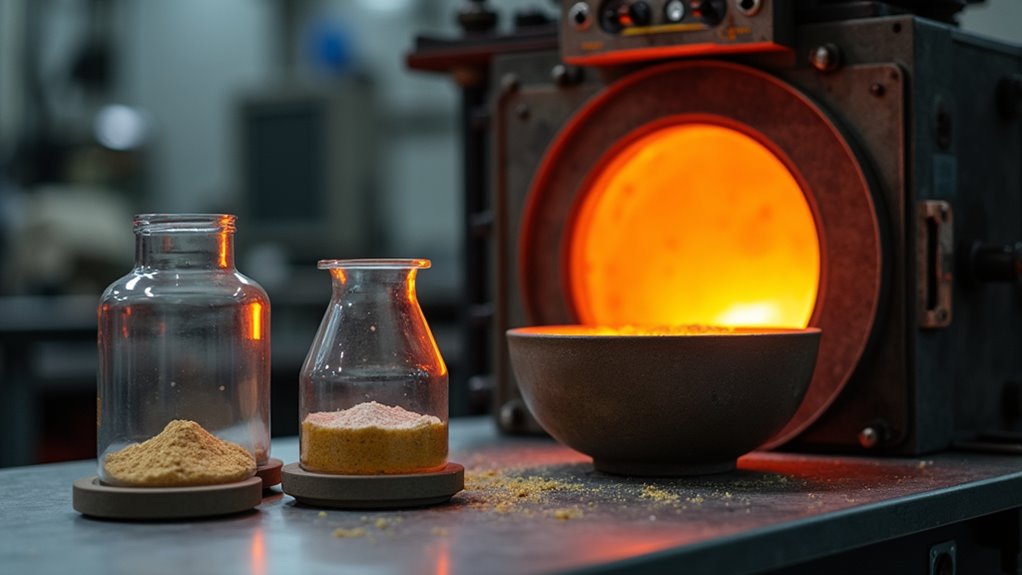
Smart buyers dig deeper: demand supply chain documentation, scrutinise third-party audits, and grill jewellers about their sourcing practises.
Blockchain tracking’s gaining traction too.
Let’s be real though – plenty of dodgy dealers slap “ethical” stickers on anything.
Do ya homework and don’t fall for greenwashing marketing rubbish.
What Role Do Local Communities Play in Monitoring Ethical Mining Practices?
Local communities serve as the boots-on-ground watchdogs of mining operations.
They’re not just passive bystanders – they’re collecting water samples, documenting violations, and raising hell when companies step out of line.
Their citizen science networks fill essential monitoring gaps that official inspectors miss.
Sure, they face intimidation and funding challenges, but these grassroots efforts have forced mining companies to clean up their act and provide compensation to affected villages.
How Does Ethical Gold Mining Affect the Final Price of Gold Products?
Ethical gold mining jacks up prices – there’s no sugarcoating it.
Products can cost up to 80% more than conventional alternatives, thanks to fair wages, community premiums, and certification costs.
The Fairtrade minimum alone guarantees miners 95-98% of spot prices, plus a hefty $2000/kg premium.
Sure, it’s a tough pill to swallow for consumers, but that’s the real cost of not exploiting workers and destroying environments.