Welding high-gold alloys ain’t for the faint-hearted! These finicky metals demand laser-precise techniques with peak power settings around 60W and 2Hz frequency for those dreamy, deep welds. Whether it’s crafting haute jewelry or building medical devices, proper shielding gas (typically argon) and obsessive pre-cleaning are absolute must-haves. Porosity and contamination lurk around every corner, ready to ruin that perfect joint. But hey – master these techniques, and you’ll reveal a whole new world of metalworking possibilities.

Mastering the delicate art of welding high-gold alloys demands precision, finesse, and an intimate understanding of these precious metals’ unique properties. These alloys, typically composed of gold mixed with copper, silver, zinc, or nickel, present both exciting opportunities and formidable challenges in welding applications. Their relatively low melting points, thanks to eutectic compositions, make them workable – but don’t let that fool you into thinking it’s a walk in the park. Gold alloys like white gold are particularly popular in jewelry, adding to the allure of these precious metals.
Welding high-gold alloys requires masterful precision – a delicate dance with precious metals that rewards expertise and punishes complacency.
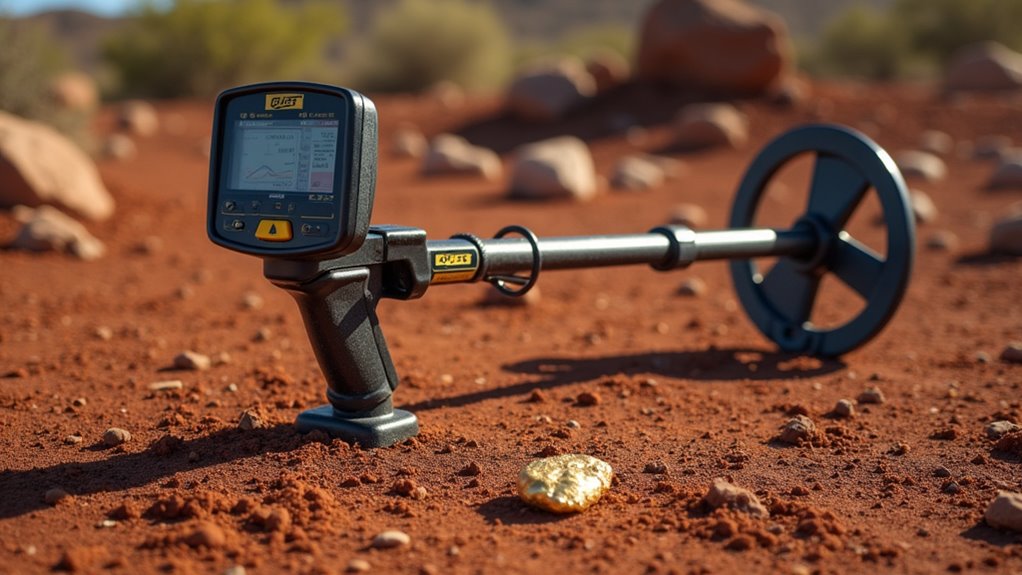
The game-changer in this field has been laser welding technology, which swooped in like a knight in shining armor to address the classic headaches of traditional welding methods. With peak power settings around 60 W and 2 Hz frequency (yeah, we’re getting technical here), laser welding delivers precise, controlled heat input that’s vital when dealing with these temperamental metals. The result? Narrow, deep welds that would make any metallurgist swoon.
Here’s where things get really interesting – and by interesting, we mean potentially problematic. High-gold alloys are notorious divas when it comes to porosity and contamination. Without proper shielding gas coverage (we’re looking at you, argon with your fancy 99.996% purity), these welds can end up looking like Swiss cheese. And nobody wants that, especially not in high-end jewelry or medical devices where perfection isn’t just desired – it’s demanded. Additionally, the use of gold in semiconductor technology highlights how essential this metal is not only for aesthetics but also for performance in various applications. In fact, the presence of gold in smartphones showcases its critical role in ensuring reliable connectivity and performance in compact tech.

The thermal conductivity of these alloys is both a blessing and a curse. While it helps distribute heat evenly, it also means heat dissipates faster than a scalded cat, making weld penetration about as straightforward as explaining quantum physics to a goldfish. Smart welders combat this with multiple passes using lower energy settings, basically sneaking up on the perfect weld rather than going in guns blazing.
The microstructure of welded high-gold alloys tells a fascinating story – one of fine grains and improved hardness in the weld zone. But beware the dreaded intermetallic phases that can form when certain alloying elements (looking at you, nickel) decide to crash the party. These brittle troublemakers can turn a beautiful weld into a structural nightmare faster than you can say “metallurgical analysis.”
Pre-cleaning is absolutely essential – skip this step and you might as well be trying to weld through butter. Any surface contaminants, whether oils, oxides, or that mysterious stuff nobody wants to talk about, can lead to defects that’ll have quality control reaching for the reject stamp.
With proper technique and attention to detail, though, these high-gold alloys can be transformed into everything from stunning jewelry pieces to vital medical components. Just remember: in the world of gold welding, patience isn’t just a virtue – it’s a necessity. Additionally, the importance of gold in technology extends beyond jewelry as it plays a significant role in modern electronic components, where its conductivity and corrosion resistance are crucial.
Frequently Asked Questions
Can High-Gold Alloy Welding Be Done Without Professional-Grade Equipment?
High-gold alloy welding without pro gear? It’s possible but tricky as heck.
Basic TIG welding setups can work for smaller jobs, though results might be hit-or-miss.

Cold welding’s another option for tiny repairs – no heat needed!
But here’s the kicker: without proper temp control and argon shielding, you’re basically playing metallurgical roulette.
Some jewelers pull it off with micro-torches, but don’t expect factory-perfect results from your garage setup.
What Safety Precautions Are Needed When Welding Gold at Home?
Welding gold at home isn’t for the faint-hearted – safety’s gotta be your BFF here.
Basic must-haves: fire-resistant gloves, proper eye protection (no dollar store sunglasses!), and ventilation that actually works.

The workspace needs to be spotless – like, operating-room clean. Keep fire extinguishers handy, ’cause gold’s hot stuff.
And yeah, proper grounding is non-negotiable – unless getting zapped is your idea of fun.
Never skimp on that safety gear!
How Long Does a High-Gold Alloy Weld Typically Last?
High-gold alloy welds are absolute beasts when it comes to longevity!
These bad boys typically last 20-50 years in industrial settings and can survive even longer in jewelry applications.
With a whopping 98% five-year survival rate in dental work and an impressive 94.1% after 40 years, these welds ain’t messin’ around.
Environmental factors and proper technique matter, but let’s be real – when done right, these welds outlast practically evrything else out there!
Which Metals Should Never Be Mixed When Welding Gold Alloys?
Several metals are absolute no-gos when welding gold alloys – seriously, don’t even think about it!
Lead and cadmium top the danger list (toxic nightmares), while aluminum and chromium create those nasty brittle phases nobody wants.

Iron’s a sneaky troublemaker too – it’ll corrode faster than your ex’s promises.
And for heaven’s sake, keep zinc away; it’ll vaporize and leave your weld looking like Swiss cheese!
Bismuth and antimony? Total weld-wreckers.
Is Laser Welding Better Than Traditional Methods for High-Gold Alloys?
Laser welding absolutely crushes traditional methods when it comes to high-gold alloys.
It’s like comparing a surgeon’s scalpel to a butcher’s cleaver! The precision is unmatched, creating welds that are 3-10x faster and incredibly clean.

Plus, the minimal heat-affected zone means less warping and better structural integrity.
Sure, the initial investment might make your wallet cry, but the long-term benefits in efficiency and quality are totally worth it.