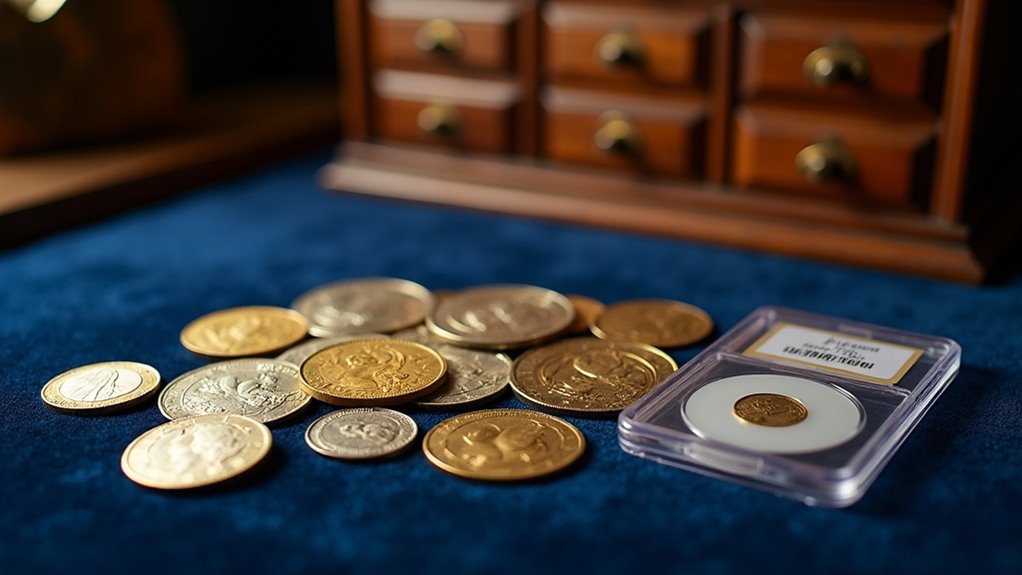
The numismatic world’s most trusted coin grading services – PCGS and NGC – have dominated authentication since the 1980s. These heavyweights transformed collecting by establishing standardized evaluation systems and tamper-proof holders that make counterfeiting nearly impossible. ANACS offers budget-friendly options for casual collectors, while all services employ the Sheldon Scale (1-70) for consistent grading. Modern tech and digital registries have revolutionzed the process, though premium services don’t come cheap. There’s way more beneath that pristine slab surface.

While countless collectors cherish their precious coins, few truly grasp the crucial role that professional grading services play in today’s numismatic market. These services have revolutionized how collectors and investors approach coin authentication, valuation, and preservation, creating a standardized system that brings confidence to the hobby. The study of coins has a rich history that adds depth to the understanding of their value, making it essential for collectors to recognize the importance of gold in various monetary systems.
The heavy-hitters in the grading game – PCGS and NGC – have been duking it out since the late 1980s, setting the gold standard (pun totally intended) for coin certification. PCGS burst onto the scene in ’86, while NGC followed suit a year later, both bringing their A-game with expert authentication and grading services that make coin collectors weak in the knees.
And let’s not forget the OG player ANACS, which might not have the same swagger but delivers solid, affordable grading that keeps casual collectors coming back for more.

These grading powerhouses employ the Sheldon Scale, rating coins from 1 to 70 (because apparently, someone thought using a 0-100 scale would’ve been too mainstream). The process is painstaking – multiple graders examine each coin’s strike quality, luster, and other minute details that would make most people’s eyes glaze over. But hey, someone’s gotta do it!
The benefits? Oh boy, where to start! Professional grading services basically act like a coin’s personal bodyguard, wrapping it in tamper-proof armor while slapping on a grade that can make or break its market value. It’s like getting your coin a VIP pass to the numismatic party, complete with authentication papers that tell counterfeiters to take a hike. Spotting fake coins can be challenging, but these services help ensure the authenticity of your collection.
Technology has seriously upped the grading game, too. These days, collectors can strut their stuff on digital registry platforms, showing off their precious metals like Instagram influencers showcase their breakfast. Enhanced imaging tech means graders can spot the tiniest imperfections that might’ve slipped through the cracks a decade ago.
But it’s not all sunshine and perfectly struck dies in the grading world. Subjective opinions can lead to grading discrepancies (yeah, we spelled that wrong on purpose), and some sketchy characters still manage to slip counterfeit coins through the cracks.

Plus, those premium grading services can cost more than your average collector’s monthly coffee budget.
Despite these challenges, professional grading services remain the backbone of modern coin collecting. They’ve created a structured marketplace where both newbies and seasoned numismatists can trade with confidence, knowing their precious metals have been vetted by the industry’s finest. Professional grading services ensure that coins are accurately assessed, providing collectors with reliable evaluations and enhancing overall market trust.
Whether you’re a casual collector or a serious investor, these services provide the peace of mind that comes with knowing exactly what you’re getting – well, most of the time, anyway!
Frequently Asked Questions
How Much Does Professional Coin Grading Typically Cost?
Professional coin grading costs vary wildly, but here’s the dirt:
Basic modern coins run $22-50 per piece, while those fancy rare specimens can skyrocket to $300+.
Most coins under $3k value hover around $40 for grading.
Wanna fast-track it? Slap on another $50 for express service.
Bulk submissions (10+ coins) might snag you a sweet discount, but don’t forget those pesky membership fees – they’ll run ya $25-150 annually.
What Happens if I Disagree With the Grade Assigned?
If collectors disagree with assigned grades, they’ve got options!

Most major grading services offer reevaluation processes – though it’ll cost ya. They can submit coins for a “regrade” where different experts take another look.
Better bring evidence: high-res photos, documentation, and maybe a third-party opinion.
Still not happy? Consider getting grades from other services or selling based on the coin’s actual market value instead of its disputed grade.
Can I Get Ancient or Foreign Coins Graded by These Services?
NGC and PCGS are the go-to graders for ancient and foreign coins.

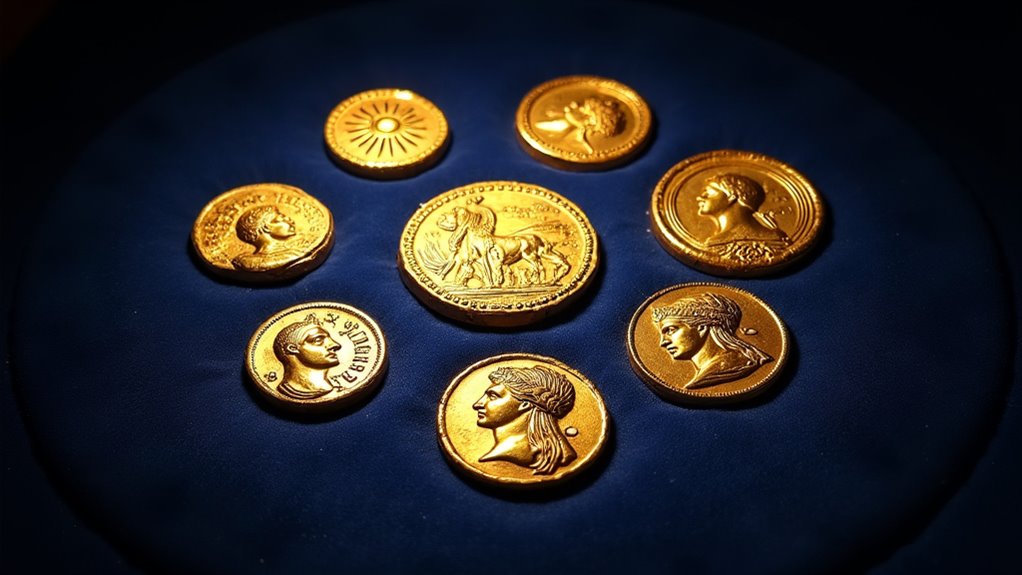
NGC’s especially hot for Western ancient coins (Roman, Greek, Byzantine) and uses both fancy words and numbers to grade ’em. They’ll tackle anything from the dawn of coinage through AD 500, plus Byzantine stuff up to 1453.
PCGS is pickier but handles certain foreign coins. Even beat-up ancient pieces can get graded if they’re legit – just gotta meet those minimum standards!
How Long Does the Coin Grading Process Usually Take?
The grading process typically takes 2-8 weeks for standard service, though times vary wildly!
Expedited options can slash that to 10-15 business days (if you’re willing to shell out the extra cash).

Economy submissions? Better pack your patience – those can drag on for months.
Peak seasons and bulk submissions tend to gum up the works, while special services like crossovers or reholdering add extra time.
Pro tip: always check providers’ current timelines!
Should I Clean My Coins Before Submitting Them for Grading?
Cleaning coins before grading is a major no-no that’ll tank their value faster than you can say “numismatic nightmare.”
Even gentle cleaning leaves microscopic scratches that grading services spot instantly. Result? A dreaded “details grade” instead of that premium numerical rating we’re all chasing.
Professional conservators exist for rare cases, but DIY cleaning? That’s like taking sandpaper to a Picasso.
Just submit those coins au naturel!