Modern prospectors need a strategic mix of old-school and high-tech tools to strike gold. Essential gear includes gold pans with engineered riffles, sluice boxes with specialized matting, and both VLF and pulse induction metal detectors. Smart classification tools like sieves and spiral wheels boost recovery rates, while GPS devices and geophysical surveying equipment help pinpoint promising deposits. This blend of traditional wisdom and cutting-edge tech turns hunches into handsome nuggets – and there’s more where that came from.

The glint of gold has driven prospectors wild since time immemorial, and today’s treasure hunters are armed with an arsenal that would make the ’49ers weep with envy. The modern gold prospector’s toolkit has evolved far beyond the simple pan and pickaxe, though these classics remain fundamental to the trade. Gold pans, now sporting sophisticated riffles and engineered ridges, come in sizes from pocket-friendly 8-inchers to massive 24-inch behemoths, with the 14-inch variety hitting the sweet spot for most diggers. The snuffer bottle provides essential control when collecting tiny gold particles from pans and concentrates, making it an indispensable tool for both beginners and experienced miners. Additionally, gold prospecting tools used by professionals have continued to advance, offering enhanced efficiency and effectiveness, thanks to the integration of smart technology that optimizes mining processes.
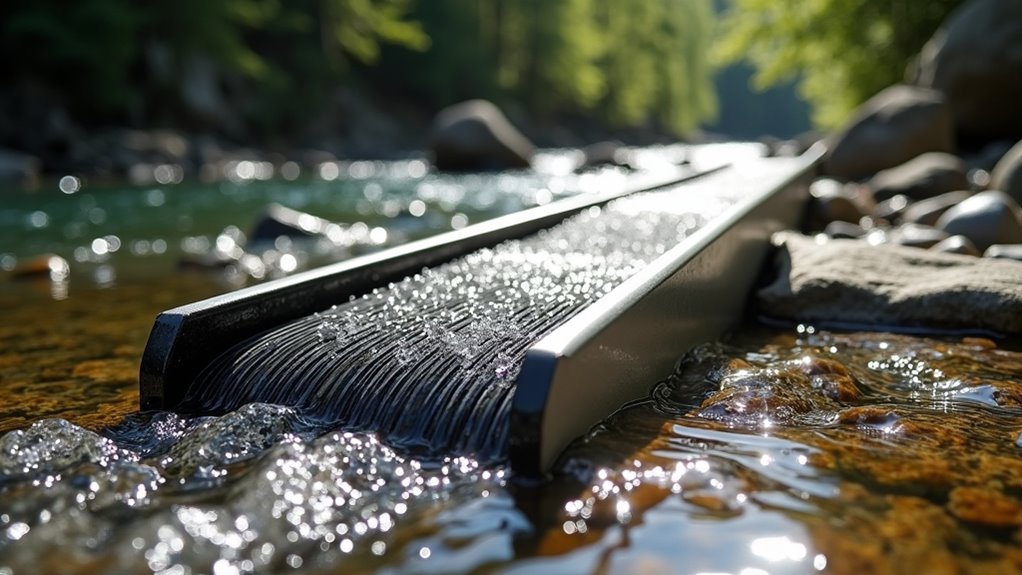
For those who’ve caught the fever and need to process more dirt, sluice boxes are the natural progression. These brilliant contraptions harness water flow to separate the precious yellow stuff from worthless rock, featuring clever combinations of ribbed matting and expanded wire that catch even the sneakiest gold particles. They’re typically crafted from aluminum with corrosion-resistant steel parts because, let’s face it, nobody wants their equipment rusting away mid-season. Metal sluice boxes are particularly favored by serious prospectors due to their durability and ability to withstand heavy use, ensuring a longer lifespan for your investment.
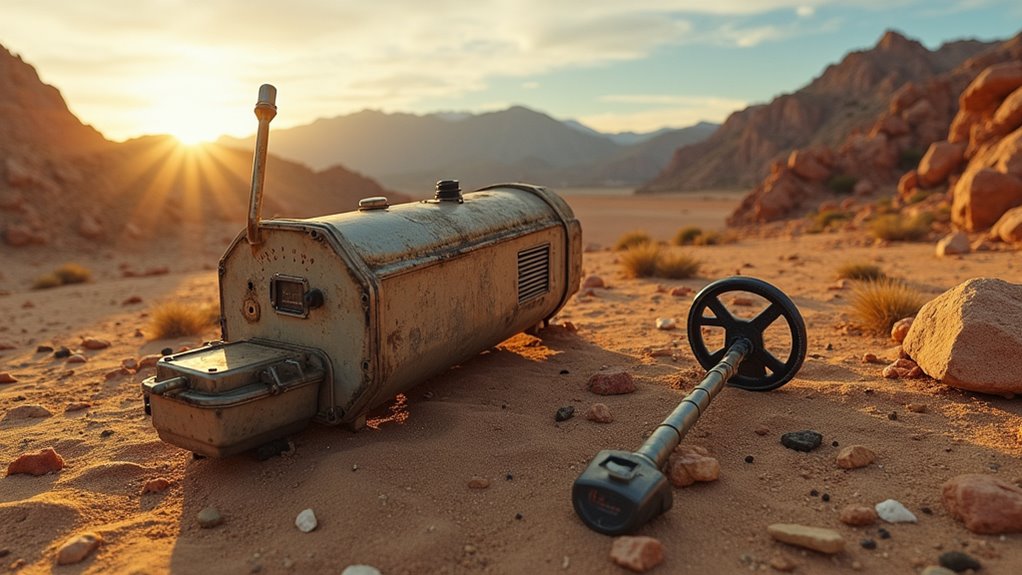
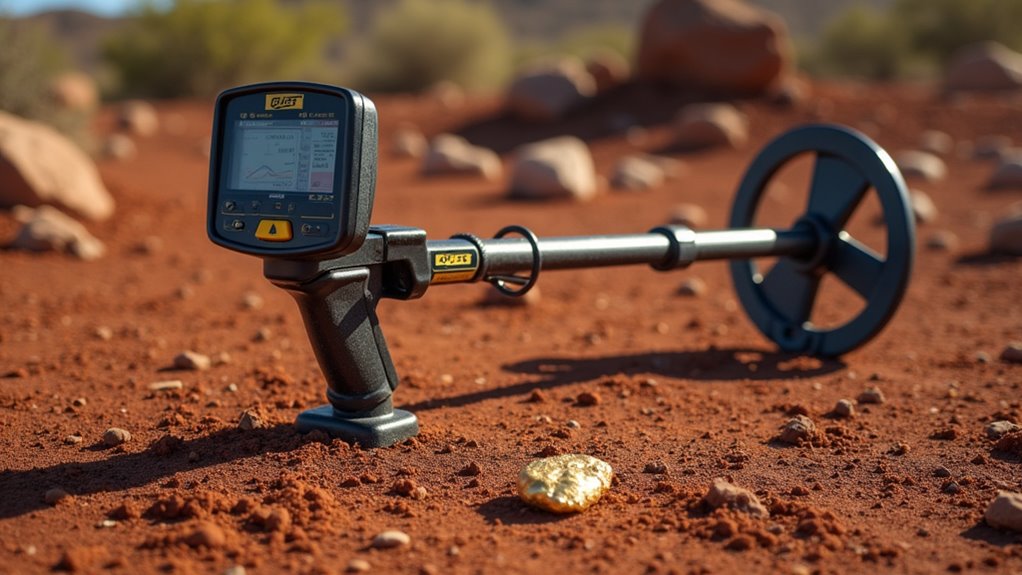
The real game-changer in modern prospecting has been the metal detector – and not just any old beep-machine. We’re talking specialized gold hunters available in VLF and pulse induction varieties. VLF detectors excel at finding chunkier nuggets near the surface, while pulse induction models can sniff out tiny pieces buried deeper than you’d expect. It’s like having x-ray vision for gold, minus the radiation hazards, and these devices have become essential for maximizing your chances of a successful find.
Metal detectors transformed prospecting forever, turning guesswork into science with VLF and pulse induction technology that sniffs out gold like a bloodhound.

Smart prospectors know the value of proper classification, which is why classifiers and sieves are absolutely essential. These unsung heroes separate the wheat from the chaff – or rather, the potentially gold-bearing material from useless rocks. For the really fine stuff, gold concentrators like spiral wheels and blue bowls make the final cleanup process less of a headache and more of a science, optimizing the recovery of every last speck of gold.
The arsenal wouldn’t be complete without crevice tools – those specialized implements that let you probe every nook and cranny where gold likes to hide. Small picks, brushes, and purpose-built tools help extract treasure from spots that would otherwise remain untouched, ensuring that no potential gold source is left behind.
And for those ready to embrace the cutting edge, high-tech equipment like the Gold Cube and Dream Mat conversion systems are revolutionizing one-person operations. These innovations not only streamline the process but also significantly increase gold recovery rates, making them a worthwhile investment.
Modern prospecting has gone high-tech with GPS devices for precise location mapping and geophysical survey tools that help identify promising deposits before you even break ground. Some areas even permit hydraulic mining equipment, though you’d better check local regulations before showing up with anything too impressive, as compliance is crucial to avoid legal issues.

The combination of traditional methods and modern innovation has created an exciting time to be a gold prospector – just don’t expect every pan to produce a fortune. After all, if finding gold was easy, everybody’d be doing it.
Frequently Asked Questions
What Permits Do I Need to Legally Prospect for Gold?
Prospectors need a mix of federal and state permits to legally hunt for gold. BLM permits are essential for public lands, while exploration certificates cover basic digging.
For serious operations, a mine operating permit‘s required. Don’t forget NPDES permits for water discharge!
State regs vary wildly – South Carolina’s SCDHEC, for instance, demands specific paperwork.

Private property? Better get landowner permission or risk hefty fines. It’s a bureaucratic maze, but totally worth it!
How Can I Identify Gold-Rich Areas Before Starting to Dig?
Finding gold-rich zones requires detective work – nature leaves clues everywhere.
Smart prospectors scan for reddish soil staining, quartz veins, and those telltale iron gossans.
Creek bends and gravel bars? Gold magnets.
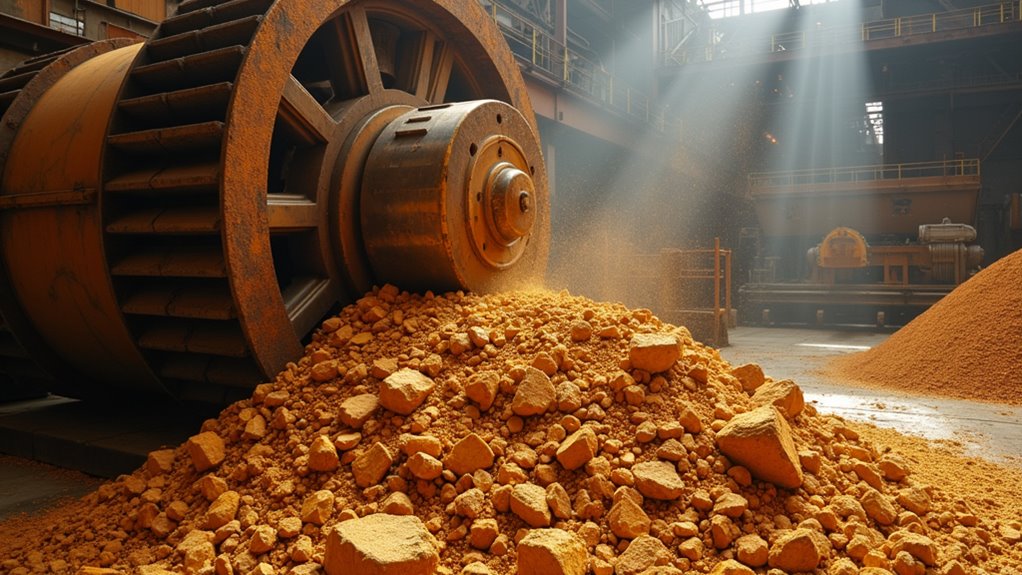
Historical mining spots are goldmines of intel (pun intended).
But here’s the kicker: black sand is gold’s BFF.
Where you spot that dark stuff, Au usually lurks nearby.
Just watch for those classic geological markers and you’re golden.
What’s the Best Time of Year to Go Gold Prospecting?

Late summer brings prime gold prospecting conditions, with low water levels exposing those sweet black sand deposits and making riverbed exploration a breeze.
But dont sleep on post-rainfall opportunities – fresh storms wash down virgin deposits from upstream.
Spring snowmelt’s pretty killer too, especially in mountainous areas where nature’s doing the heavy lifting.
Really though? Any season works if you’re committed.

Even winter’s got its perks, exposing spots usually underwater.
How Much Can Amateur Prospectors Typically Earn From Gold Digging?
Amateur prospectors shouldn’t expect to strike it rich – most barely cover their expenses.
While average yields hover around $4-8 per cubic yard of gravel, that’s a lot of back-breaking work!
Sure, there’s the occasional lucky strike (like that sweet £200,000 nugget in Australia), but reality check: most weekend warriors are doing this for fun, not profit.
Skilled panners might score better with selective spots yielding 3-4 times the average, but don’t quit your day job!
Are There Gold Prospecting Clubs or Communities I Can Join?
Gold prospecting enthusiasts have plenty of options to connect with fellow dirt-diggers!
The Gold Prospectors Association of America (GPAA) dominates the scene with 90+ chapters nationwide and access to 90,000+ acres of claims.
Local clubs pop up everywhere gold might be lurking, while online communities on Facebook, Reddit, and TreasureNet.com keep the conversation flowing.
Most groups offer sweet perks – shared equipment, insider knowledge, and exclusive mining spots for their members.