Gold numismatics fuses the stability of precious metals with historical treasure hunting’s thrill. Beginners should target globally recognized coins like Krugerrands, American Gold Eagles, or Canadian Maple Leafs – all solid entry points into this fascinating domain. Authentication matters: stick to reputable dealers and get coins graded by PCGS or NGC. Proper storage in climate-controlled environments prevents damage and preserves value. This addictive pursuit offers countless paths to explore, each more intriguing than the last.
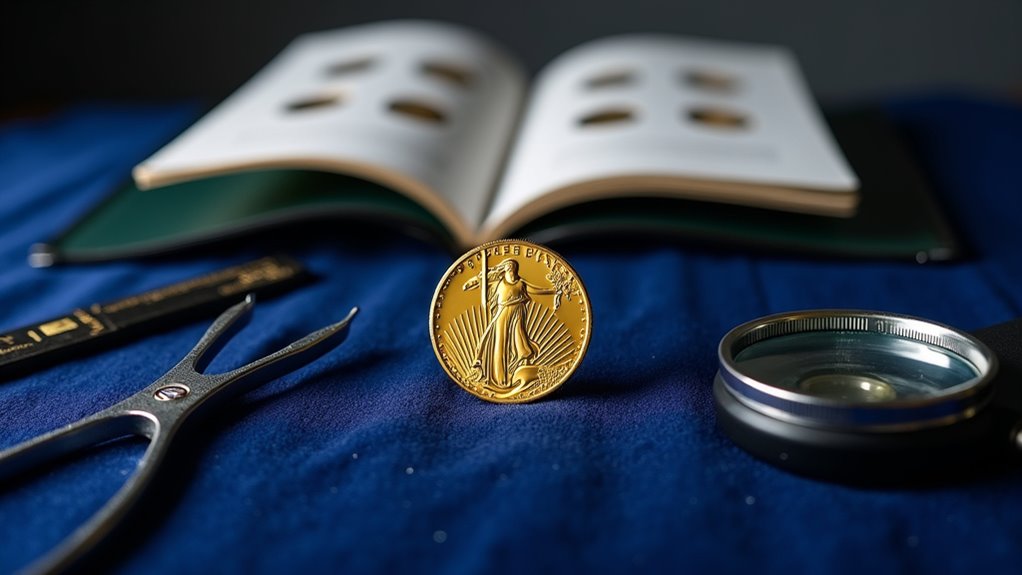
While collecting rare coins might sound like your grandpa’s dusty old hobby, gold numismatics packs way more punch than just stashing away shiny metal discs. The fascinating world of coin collecting combines the stability of precious metals with the thrill of hunting historical treasures. In today’s volatile markets, gold coins offer a unique advantage – they’re not just pretty to look at, they’ve got serious intrinsic value backing them up. This is why gold remains a trusted store of value for investors, providing a hedge against inflation and currency fluctuations.
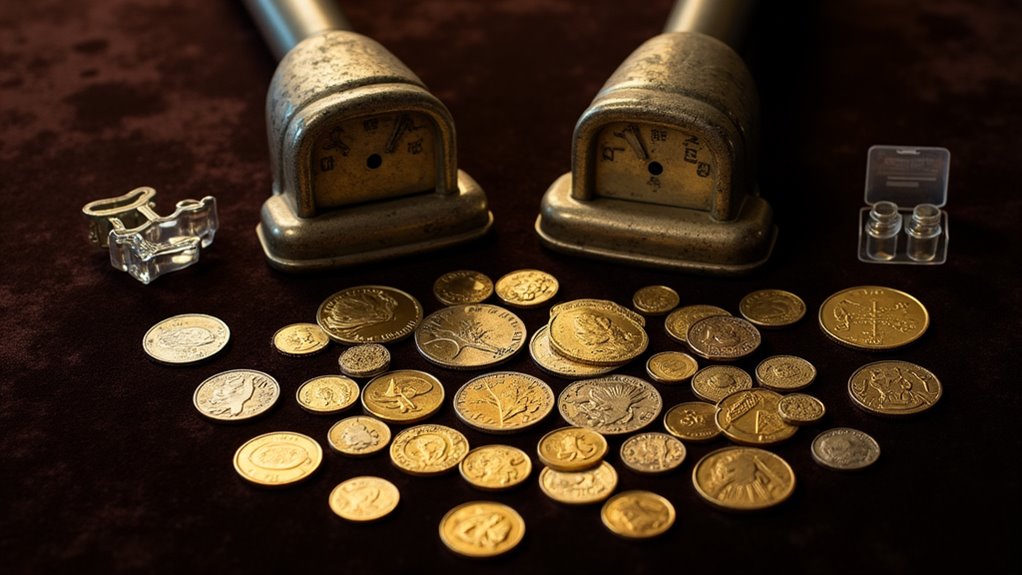
For newcomers dipping their toes into the golden waters, several coins stand out as rock-solid choices. The South African Krugerrand, with its distinctive springbok design, remains a global powerhouse in the bullion market. The American Gold Eagle struts its patriotic stuff while offering the full backing of Uncle Sam, making it a no-brainer for beginners. Then there’s the Canadian Maple Leaf, flaunting its pure 24-karat status like it’s showing off at a precious metals party.
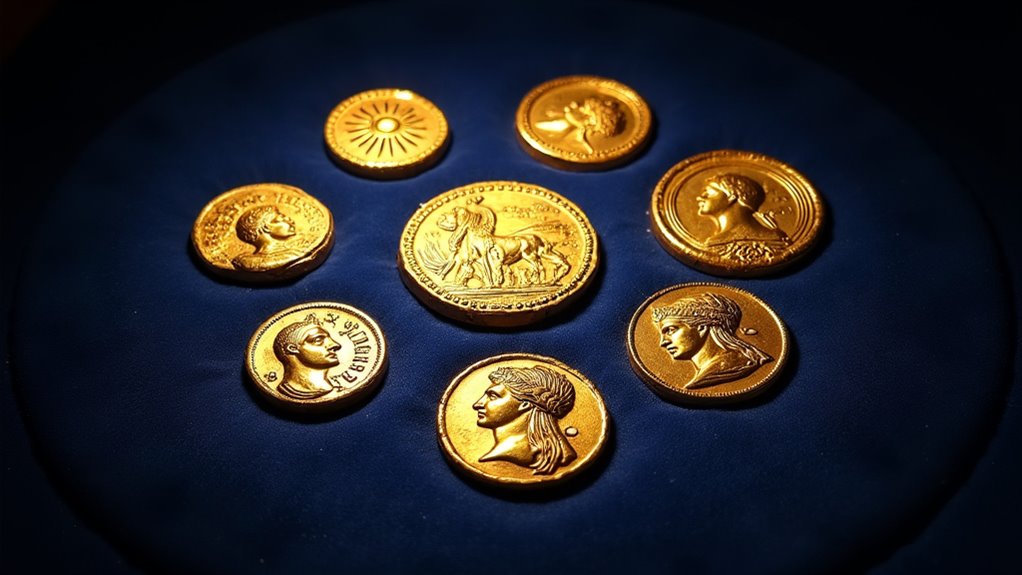
Smart collectors know the game isn’t just about grabbing whatever glitters. Successful numismatists typically zero in on specific themes – maybe they’re obsessed with Ancient Roman coins, or perhaps they’ve got a thing for modern commemorative pieces (hey, we don’t judge). The key is finding your niche and becoming an expert in that particular corner of the market. Online forums are buzzing with fellow coin nerds ready to share their wisdom, though sometimes they get a bit too excited about mint marks.

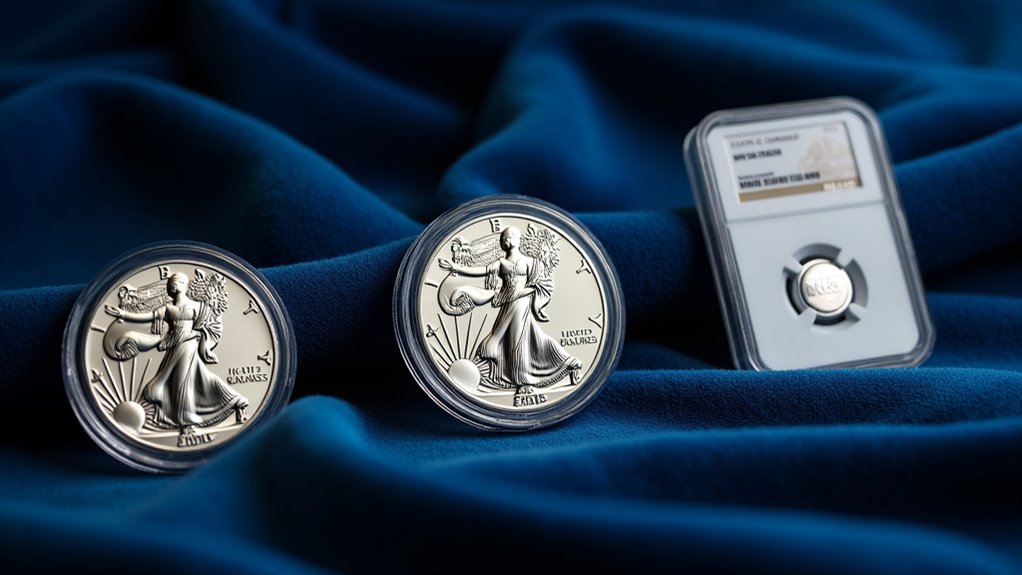
When it comes to actually pulling the trigger on purchases, authenticity is everything. Nobody wants to end up with a fake Eagle that turns out to be worth about as much as a chocolate coin. That’s why the pros always insist on buying from established dealers or government mints. Getting coins graded by respected agencies like PCGS or NGC isn’t just showing off – it’s like having a precious metals passport that proves your coin is the real deal. This professional grading process significantly impacts the value of your coins, ensuring you understand what you’re investing in.
Storage might sound boring, but it’s essential for keeping those investments pristine. Proper protection means more than just tossing coins in a sock drawer (seriously, don’t do that). Climate-controlled environments, protective cases, and secure storage solutions are vital. Some collectors learned the hard way that their prized specimens don’t play nice with humidity or fingerprint oils.
The beauty of gold numismatics lies in its dual nature – part stable investment, part historical artwork. While regular bullion just sits there looking pretty, numismatic coins tell stories of empires, artists, and epochs. They’re like time machines made of precious metal, each one carrying its own tale of human achievement, intertwining art and finance in a way that few other investments can.
In a world where traditional investments sometimes feel about as stable as a chocolate teapot, these golden windows to the past offer something uniquely valuable – tangible history you can hold in your hand.
Frequently Asked Questions
How Can I Detect Fake Gold Coins Without Professional Equipment?
Several DIY methods can expose fake gold coins without fancy gear.
The magnet test is a no-brainer – real gold tells magnets to buzz off.
Drop that coin and listen up – authentic gold rings like a bell, while fakes sound dead.
Getting handsy? Real gold won’t leave those embarrassing green marks on skin.
And don’t forget the trusty ceramic scratch test – genuine gold leaves a golden streak, while imposters show their true colors.
What Causes Toning on Gold Coins, and Does It Affect Value?
Toning on gold coins primarily occurs through chemical reactions between alloyed metals (like copper) and environmental elements.

Pure 24k gold rarely tones, but lower-karat coins can develop amber or reddish hues over time.
The impact on value? It’s complicated! Natural, attractive toning patterns can actually boost prices among collectors, while ugly spotting or artificial toning tanks value faster than a market crash.
Proper storage in PVC-free holders is essential for preventing unwanted color changes.
Should I Clean My Gold Coins Before Selling Them?
Cleaning gold coins before selling? Big mistake!

Professional numismatists cringe at the mere thought. That natural patina isn’t just pretty packaging – it’s literally money in the bank.
Cleaned coins typically fetch 20-30% less than their untouched counterparts. Even gentle cleaning risks microscopic scratches that’ll make seasoned collectors run screaming.
Bottom line: those authenticating “age marks” are worth their weight in… well, gold!
Which Gold Coin Series Has Shown the Best Investment Returns Historically?
The Saint-Gaudens Double Eagle has historically outperformed other gold coins, with some specimens fetching astronomical returns due to their rarity and collector appeal.

While bullion coins like Eagles and Maples track gold prices reliably, they can’t match the explosive growth potential of these numismatic heavyweights.
Fun fact: a single 1933 Saint-Gaudens Double Eagle sold for a mind-bending $18.9 million in 2021 – talk about investment returns that’ll make ya dizzy!
Where Can I Find Reputable Gold Coin Appraisers in My Area?
Serious collectors can find legit gold coin appraisers through several trusted channels.
Local coin shops offer face-to-face evaluations, while the American Numismatic Association’s dealer directory connects folks with certified pros.

Established auction houses like Heritage provide free appraisals, especially for rare pieces.
For convenience, online directories and review platforms help track down nearby experts – just check those credentials first!
Some shops even specialize in inheritances and collections.