
Modern gold refining has come a long way from panning in rivers. Today’s methods squeeze every last bit of value from both traditional ores and electronic waste – which packs up to 100x more gold than raw ore. Smart companies use everything from cyanide leaching to bacteria-based extraction, while others stick to old-school techniques like mercury amalgamation (yikes). The real gold rush isn’t in mines anymore – it’s in your junk drawer full of old phones. There’s way more to this billion-dollar metal recovery game than meets the eye.

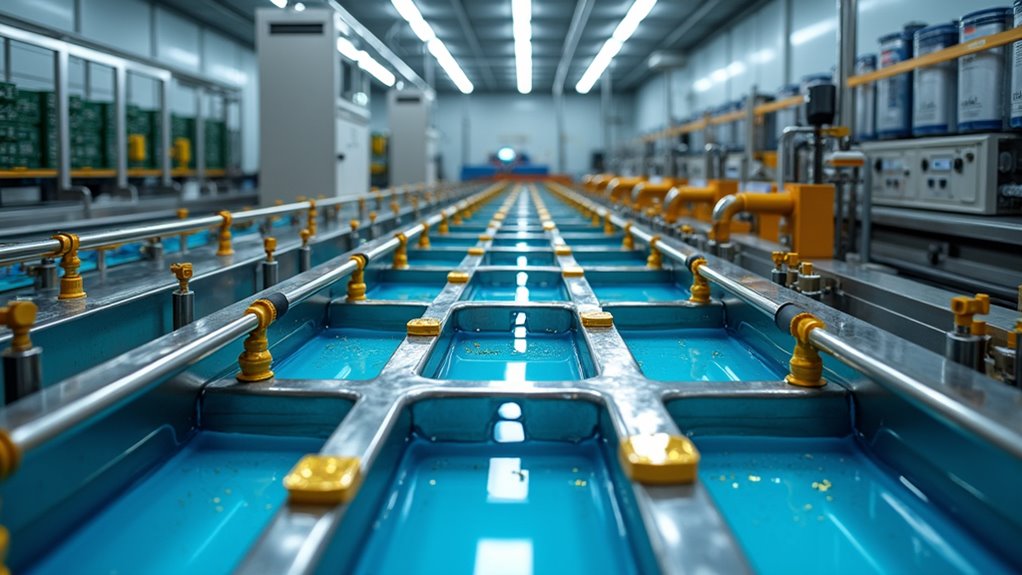
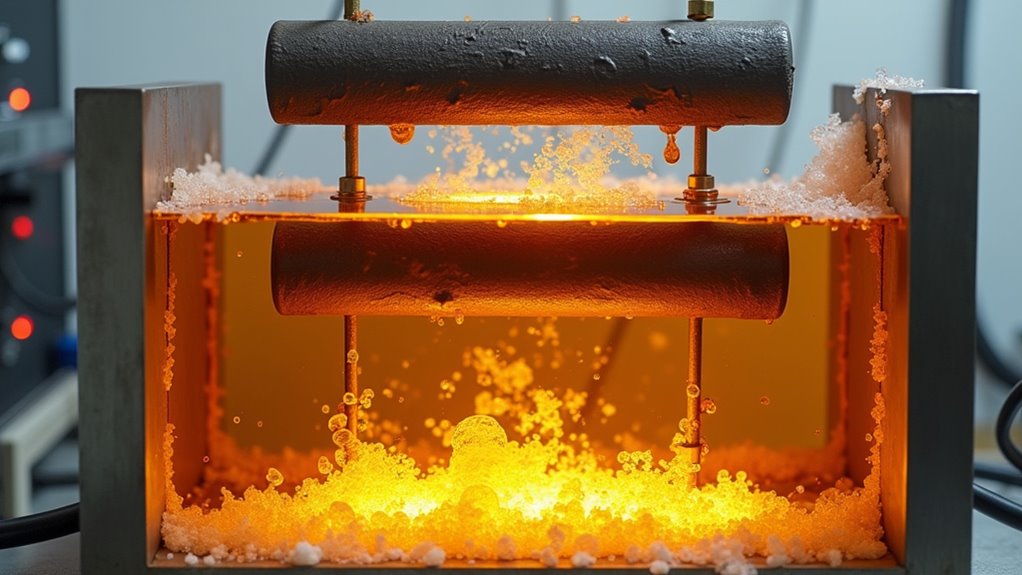
The pursuit of gold has driven humanity to devise increasingly complex methods of extracting and refining the precious metal. Let’s face it – we’ve come a long way from panning in rivers to developing sophisticated chemical processes that would make Breaking Bad’s Walter White jealous. Modern refiners now juggle everything from traditional cyanide leaching to cutting-edge nanotechnology, all in the name of getting their hands on that precious yellow metal. Concentrates must contain at least 20 ounces per ton for effective smelting operations. Additionally, the process of electrolytic gold refining has gained traction in both laboratory and industrial settings for producing ultra-pure gold.
Here’s the kicker – electronic waste is literally a gold mine. With 50-100 times more gold than raw ore, those old smartphones and laptops are basically tiny treasure chests. But getting that gold out isn’t exactly a walk in the park. Refiners have to use nasty cocktails of acids, selective precipitation, and electrowinning to extract the goods. It’s dirty work, but somebody’s gotta do it. The electronics industry alone accounts for 80 percent of gold production worldwide.
The environmental impact of these processes is… well, let’s just say Mother Nature isn’t sending thank you cards. Cyanide leaching can poison water sources, mercury amalgamation spews toxic vapors, and aqua regia produces fumes that would make your eyes water from a mile away. Some companies are finally getting their act together with closed-loop systems, but let’s be real – there’s still plenty of room for improvement.
Gold refining’s dirty secret: turning precious metal into poison, one toxic chemical cocktail at a time. Mother Nature’s paying the price.

The good news? Innovation is happening whether the old guard likes it or not. Thiosulfate leaching is emerging as a less toxic alternative to cyanide, and some clever scientists are even putting bacteria to work through bioleaching. Meanwhile, ion exchange resins and activated carbon are making gold recovery more efficient than ever. The industry might be set in its ways, but these new technologies are impossible to ignore.
Economics drives everything in this game. When gold prices soar, suddenly even low-grade ores and electronic waste become attractive targets. The math is simple – higher grades equal better profits, and economies of scale make everything cheaper per unit. But here’s what really gets interesting: recycling e-waste is actually becoming more cost-effective than traditional mining. Who would’ve thought trash would become more valuable than dirt?
The future of gold refining is a mixed bag of traditional methods and emerging tech. While some refiners still swear by the Miller process or Wohlwill electrolysis for achieving that sweet 99.99% purity, others are pushing boundaries with halide leaching and nanotechnology. The industry might be ancient, but it’s far from stagnant.
And with the growing mountain of electronic waste worldwide, refiners better adapt or get left behind in the gold dust. After all, those precious metals aren’t going to extract themselves.
Frequently Asked Questions
What Safety Equipment Is Required for Small-Scale Gold Refining Operations?
Small-scale gold refining requires serious safety gear – no cutting corners here.
Non-negotiables include chemical-resistant gloves, safety goggles, and face shields to protect against nasty acid splashes. A proper respirator mask is essential – those fumes’ll wreck your lungs fast.
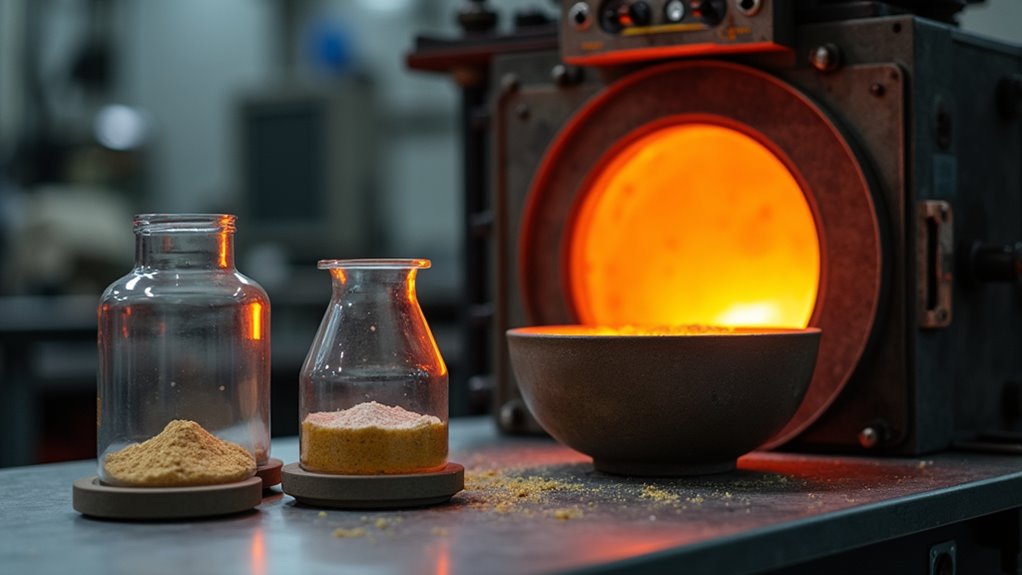
You’ll need ventilation too – either a fume hood or outdoor setup.
And don’t forget emergency basics: eyewash station, fire extinguisher, and spill kit.
This ain’t a hobby for shortcuts.
How Long Does the Complete Gold Refining Process Typically Take?
Gold refining ain’t a quick fix – it’s a marathon, not a sprint.
Small-scale operations can wrap up in 1-2 days, while big industrial setups drag on for weeks. The actual timeline depends on whatcha got: pure gold = faster, complex ores = slower.

Basic aqua regia takes 2-3 hours for dissolution, but if you’re going for that ultra-pure 99.99% stuff through Wohlwill electrolysis, you’re looking at a solid 24-hour commitment.
What Are the Environmental Impacts of Gold Refining Waste Products?
Gold refining’s toxic legacy is brutal. One ring creates 20 tons of waste – talk about a dirty proposal!
The process dumps mercury, cyanide, and acids that poison water supplies and soil for generations.
Heap leaching leaves behind mountains of toxic rubble, while acid drainage kills aquatic life.

Air gets hammered too, with mercury vapor and emissions from smelting.
Let’s face it – our bling addiction has turned into nature’s nightmare.
Can Gold Refining Be Profitable as a Home-Based Business?
Home-based gold refining? Good luck making bank there.
The harsh reality: massive startup costs, strict regulations, and cutthroat competition from big refineries make profitability a pipe dream for most hobbyists.

Sure, you might scrape by refining e-waste and jewelry scrap, but the chemical costs and safety equipment’ll eat your margins alive.
Plus, those pesky permits and environmental regs? They’re deal-breakers for most folks running outta their garage.
Which Countries Have the Most Advanced Gold Refining Technologies?
Switzerland dominates global gold refining, hands down.
They’re crushing it with 70% of world production through heavyweights like PAMP and Valcambi.
Germany’s not messing around either – Heraeus leads the pack in cutting-edge tech, especially with e-waste recovery.
Japan’s bringing serious innovation through Tanaka’s eco-friendly methods, while the US is pushing boundaries with AI integration and automated systems.
These countries aint playing around when it comes to refining tech.