Major mining supply retailers like A&B Prospecting dominate brick-and-mortar locations across the Southwest, while digital marketplaces expand nationwide reach. Traditional hardware stores stock basic panning gear, but specialized shops offer expert guidance plus advanced equipment. Local spots like Crisson Gold Mine (Georgia) and Arvada Army Navy (Colorado) serve up everything from basic pans to serious dredges. The real treasure lies in finding that perfect local supplier who knows their stuff. Time to unearth those golden opportunities!

The modern-day gold rush isn’t dead – it’s just gone digital and brick-and-mortar. Finding reliable mining supplies has become a seamless blend of online convenience and hands-on expertise, with industry giants like A&B Prospecting dominating the Southwest while digital marketplaces expand access to prospecting gear nationwide.
For those seeking immediate gratification (and who isn’t these days?), physical store locations remain scattered across the American landscape like gold nuggets waiting to be discovered. A&B Prospecting’s Arizona outlets in Mesa and Prescott Valley serve as bustling hubs for desert prospectors, while Crisson Gold Mine holds down the fort in Dahlonega, Georgia. Traditional hardware stores often stock basic panning equipment – perfect for those impulsive weekend warriors who can’t wait for shipping. Colorado prospectors can find essentials at Arvada Army Navy for quality sluicing equipment. The store’s convenient hours of 10:00 AM to 5:00 PM make it easy to shop any day of the week. Additionally, local mining supply shops often provide expert advice to help new prospectors get started, offering insights into the essential gold mining equipment needed for successful outings. In 2025, many prospectors will find value in updated maps showing the best areas for gold panning, as well as trusted gold mining supply stores that can offer quality gear.
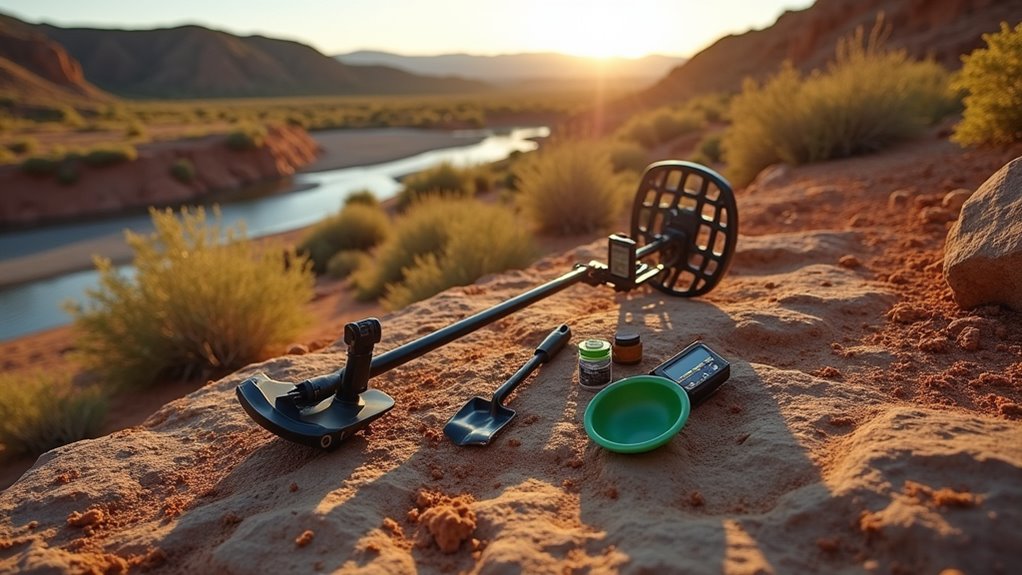
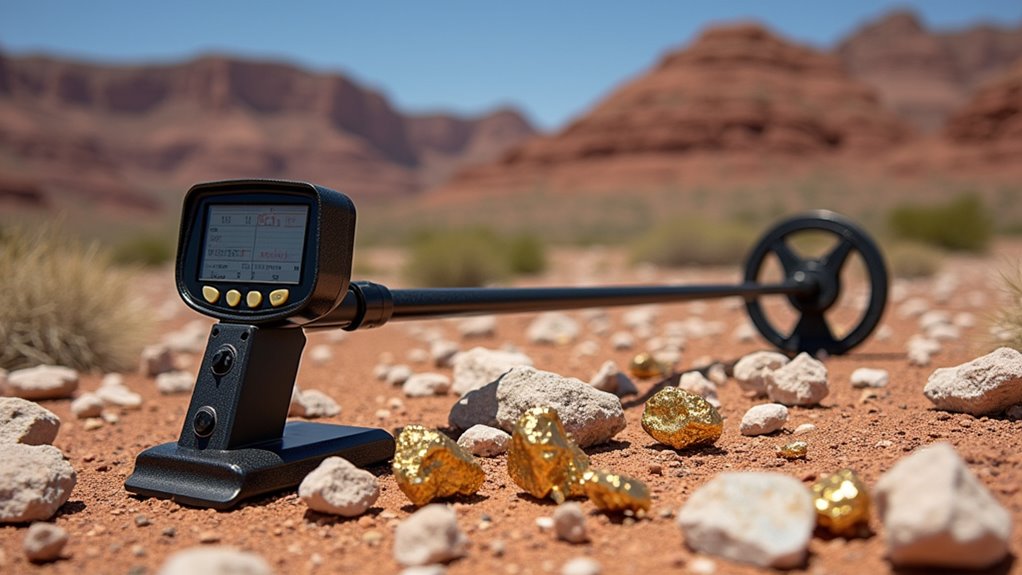
The essential toolkit for modern prospecting reads like a treasure hunter’s wishlist. Gold pans, available in both plastic and metal variants, remain the tried-and-true starting point. Sluice boxes adapt to various terrains, while metal detectors (the real MVPs of the prospecting world) come specialized for gold hunting. Don’t forget classifiers – because nobody wants to waste time sifting through worthless material, the most critical tool for efficiency.
From gold pans to metal detectors, every prospector’s toolkit tells the story of their treasure-hunting dreams and golden aspirations.

For the serious prospector who’s ready to level up their game, specialized equipment calls like a siren song. Gold recovery systems, dredges for waterway exploration, and rock crushers for the truly committed transform casual hobby into serious pursuit. Black sand magnets and snuffer bottles handle the nitty-gritty details that separate successful prospectors from the wannabes.
The digital marketplace has revolutionized equipment accessibility. Carolina Prospectors boasts an impressive catalog of over 900 products, while GoldRushTrading.com specializes in curated prospecting gear. Even Amazon and eBay have joined the gold rush, offering everything from basic pans to sophisticated metal detectors.
Smart prospectors know that success requires more than just throwing money at expensive equipment. Educational resources abound through books, DVDs, and online tutorials. Local prospecting clubs offer invaluable hands-on experience and networking opportunities – because sometimes the best tips come from grizzled veterans who’ve been there, done that, and got the gold to prove it.
Before rushing out to buy equipment, savvy prospectors navigate the maze of legal considerations. Permits, environmental regulations, and claim-staking procedures vary wildly by location. Some areas enforce seasonal restrictions that can turn an enthusiastic prospector’s dreams to dust faster than you can say “fool’s gold.”

When choosing a supplier, comparing prices isn’t enough – shipping costs, warranty terms, and customer service reputations matter just as much. The best suppliers often offer equipment demonstrations or rentals, letting prospectors test-drive before committing to major purchases.
Because at the end of the day, reliable equipment from trustworthy sources makes the difference between striking it rich and striking out.
Frequently Asked Questions
What Safety Certifications Should I Look for When Buying Mining Equipment?
Key safety certifications for mining equipment include MSHA compliance – non-negotiable for both surface and underground operations.
Intrinsic Safety certs are essential for equipment used where explosive gases lurk.

Look for ANSI/ASME standards on conveyor systems, ISO certifications for earth-movers, and SAE stamps on off-highway machinery.
Quality management systems like ISO 9001 ain’t just pretty wall decorations – they’re your guarantee of consistent safety standards.
Do Mining Supply Stores Offer Equipment Repair and Maintenance Services?
Most mining supply stores offer extensive repair and maintenance services. They handle everything from hydraulic fixes to full gearbox rebuilds, with many providing 24/7 emergency support.
Field technicians routinely travel to mine sites for on-location repairs – crucial for minimizing downtime! Services typically cover heavy machinery, drilling equipment, and crushing systems.
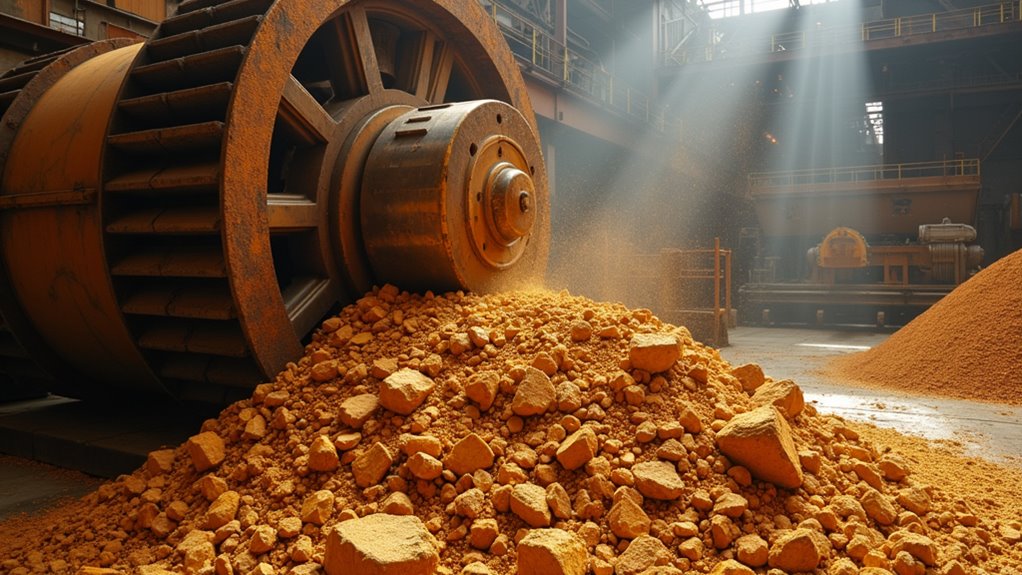
These repair offerings often include preventive maintenance programs, fluid analysis, and specialized component rebuilds that keep operations humming.
Can I Rent Mining Equipment Instead of Purchasing It?
Equipment rental is often a smart play in mining.
Most suppliers offer flexible rental options, perfect for those not ready to commit to a full purchase.
The sweet spot? Projects using equipment less than 65% of the time typically benefit more from renting.

It’s a game-changer for operations wanting access to latest tech without the massive upfront costs.
Plus, no headaches about maintenance or depreciation – though watch those long-term rental fees, they can sneak up!
What Financing Options Are Available for Large Mining Equipment Purchases?
Multiple financing paths exist for major mining equipment acquisitions.
Traditional equipment loans offer 2-20% rates with collateral-backed terms up to 10 years.

Leasing delivers flexibility thru FMV and $1 buyout options – perfect for testin’ the waters!
Alternative routes include SBA funding, manufacturer financing up to $50M, and sale-leaseback deals.
Smart operators compare multiple offers, knowing tax benefits vary between depreciation writeoffs and lease payments.
Credit requirements? They’re all over the map!
How Often Should Mining Tools and Equipment Be Replaced?
Mining equipment replacement intervals vary dramatically based on usage intensity and operating conditions.
Most heavy machinery needs replacement after 9,000-15,000 operating hours, while smaller tools might need more frequent swaps.
Smart operators follow manufacturer guidelines but watch for key signals: rising maintenance costs, performance drops, and safety concerns.
Here’s the kicker – preventive maintenance can stretch equipment life by 20-30%, but pushing tools past their prime? That’s just asking for trouble!