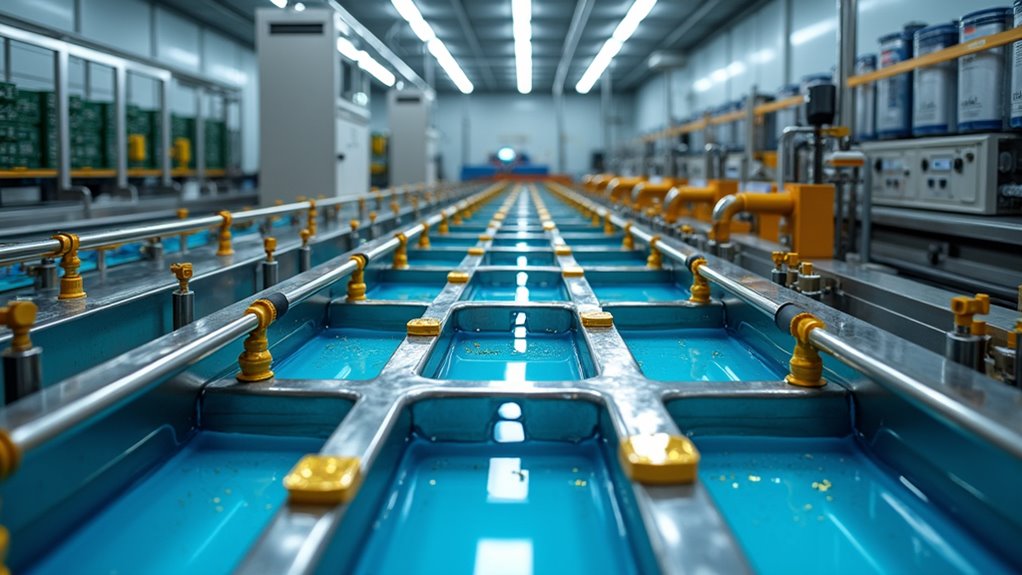
Gold refining isn’t for cowboys who ignore safety protocols – it’s serious business that demands proper PPE, ventilation, and strict chemical storage. Smart refiners know that goggles, gloves, and respiratory protection aren’t optional when handling corrosive substances and toxic fumes. Emergency procedures need to be second nature, not afterthoughts. Quality control isn’t just red tape – it’s what keeps refiners alive and kicking. There’s way more to this dangerous dance than meets the eye.

While gold may be the world’s most precious metal, the chemicals used to refine it can kill you faster than you can say “get rich quick.” The refining process involves an array of hazardous substances that demand rigorous safety protocols – protocols that too many refiners treat as “optional suggestions” rather than life-or-death requirements.
Let’s get real about PPE – it’s not a fashion statement, it’s your lifeline. Those safety goggles, gloves, and respiratory masks aren’t there to make you look like a sci-fi character. They’re the only thing standing between you and a face full of corrosive chemicals. IRACorporation provides detailed PPE guidelines that should be strictly followed. Remember that proper dilution of nitric acid is crucial to minimize risks during the refining process.
PPE isn’t optional fashion – it’s your last defense against chemicals that will melt your face off without hesitation.
And here’s a wild thought: maybe actually replace them when they’re worn out instead of waiting until they literally fall apart. The Aqua Regia solution used in refining is particularly dangerous, being a highly corrosive mixture of hydrochloric and nitric acids.

The chemical storage situation in most refineries is a disaster waiting to happen. You’d think people working with substances that can dissolve metal would be more careful about where they keep them.
But no – we’ve got incompatible chemicals playing neighbors and containers basking in sunlight like they’re at the beach. This isn’t rocket science: follow the damn storage protocols and keep your death-juice properly contained.
Speaking of containment, proper ventilation isn’t just about keeping the air fresh – it’s about not dying from toxic fumes. Yet somehow, some refiners think opening a window counts as “adequate ventilation.” Spoiler alert: it doesn’t.
You need proper systems, regular maintenance, and actual testing to ascertain those nasty vapors aren’t turning your lungs into swiss cheese.
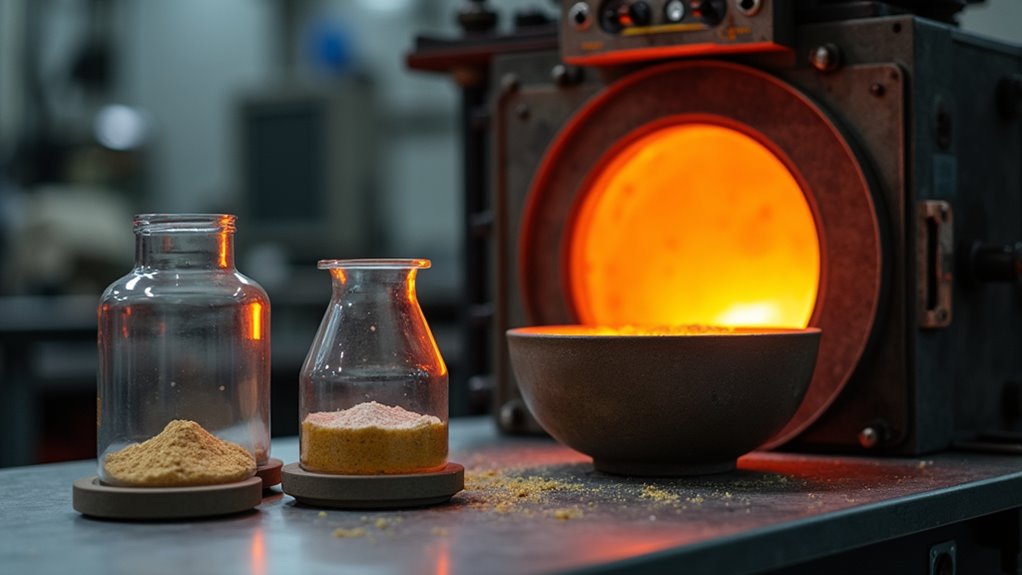
Emergency preparedness isn’t just about having a first aid kit collecting dust in the corner. It’s about understanding exactly what to do when everything goes sideways – because it will.
Regular drills aren’t optional, and neither is having the right equipment on hand. Yet countless refineries treat their emergency protocols like New Year’s resolutions – ambitious plans that never see the light of day.
Quality control and waste management go hand in hand, and both require more than just crossing your fingers and hoping for the best. Every batch needs testing, every piece of equipment needs calibration, and every drop of waste needs proper handling.
The environment isn’t your personal dumping ground, and those regulations weren’t written for fun.

The most pathetic excuse in the industry? “But we’ve always done it this way!” Yeah, and people used to think cigarettes were healthy.
Training and certification aren’t bureaucratic hurdles – they’re your ticket to not becoming another statistic. The gold refining process hasn’t gotten any less dangerous, but at least now we understand better than to treat it like a backyard science experiment.
Either do it right or don’t do it at all – because the alternative might mean you won’t get another chance to learn from your mistakes.
Frequently Asked Questions
What Certification Do I Need to Legally Operate a Gold Refining Facility?
Operating a gold refinery isn’t a walk in the park – you need serious paperwork. The big one’s a Precious Metals Refinery License, but that’s just the start.
You’ll also need environmental permits, hazardous waste certifications, and safety compliance docs. Each jurisdiction’s different, but most demand air quality permits, wastewater permits, and fire safety certs.

Miss any of these, and you’re looking at hefty fines or shutdown. No shortcuts in this game.
How Often Should Safety Equipment and Protective Gear Be Replaced?
Safety gear ain’t a “set it and forget it” deal.
Hard hats need replacing every 5 years, but their suspensions gotta go yearly.
Chemical suits and gloves? Chuck ’em at the first sign of wear – no exceptions.

Gas monitors need regular calibration, and those filters won’t last forever.
Monthly checks are a must for fire extinguishers and first aid kits.
Bottom line: If it looks sketchy or manufacturer says it’s time – replace it. Period.
What Are the Insurance Requirements for Gold Refining Businesses?
Gold refiners need serious coverage – no cutting corners here.
Essential policies include extensive liability insurance, gold specie coverage for theft/damage, and transportation insurance when moving product.
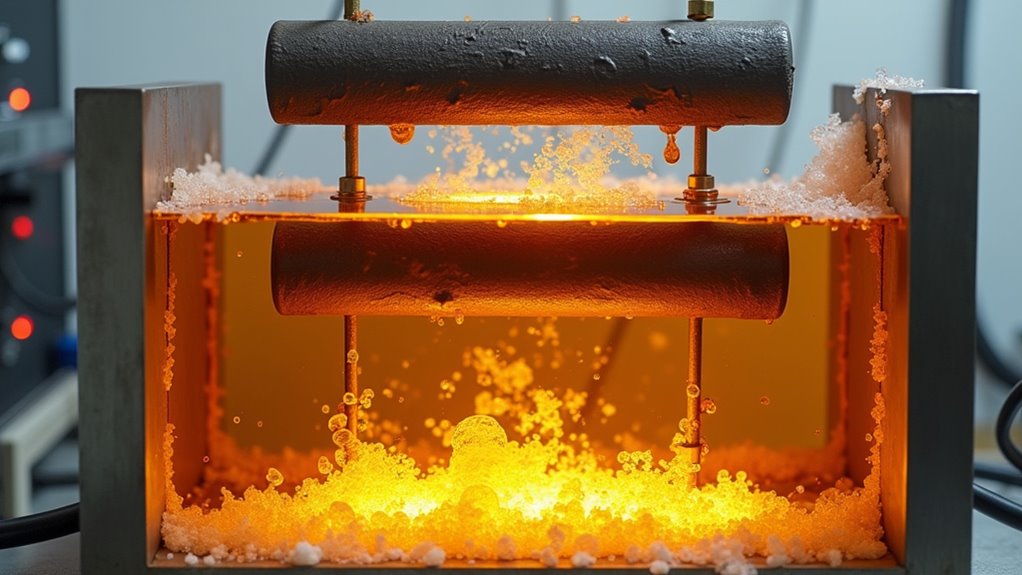
Smart refiners also grab environmental liability protection (cuz chemicals are nasty business).
Most insurers demand proof of proper security systems and safety protocols before writing policies.
Minimum coverage requirements vary by location, but typically start at $1M for basic ops.
How Do I Properly Dispose of Chemical Waste From Gold Refining?
Let’s be real – chemical waste from gold refining isn’t something you can just dump down the drain. Proper disposal means contracting licensed hazardous waste haulers – no exceptions.
First, neutralize acids to pH 6-8 and treat cyanide waste with urea. Keep different waste types separate in labeled containers.
Store em in ventilated areas away from incompatible stuff. And for crying out loud, keep detailed records of everything. The EPA ain’t playing around.
What Temperature Control Systems Work Best for Gold Refining Facilities?
PID controllers are the gold standard – pun intended. They deliver rock-solid temperature stability during refining.
Digital thermocouples with backup sensors are essential for monitoring critical processes.
Don’t skimp on safety interlocks and emergency shutoffs – they’re lifesavers when things get too hot.
Water cooling systems are a must for equipment protection.
The best setups integrate multiple control systems with data logging to track every thermal fluctuation.