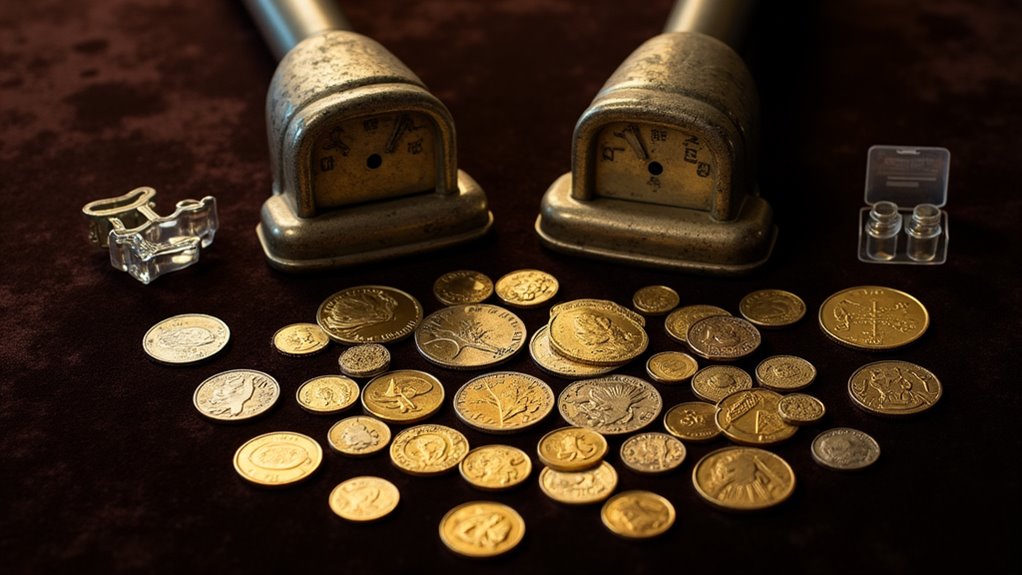
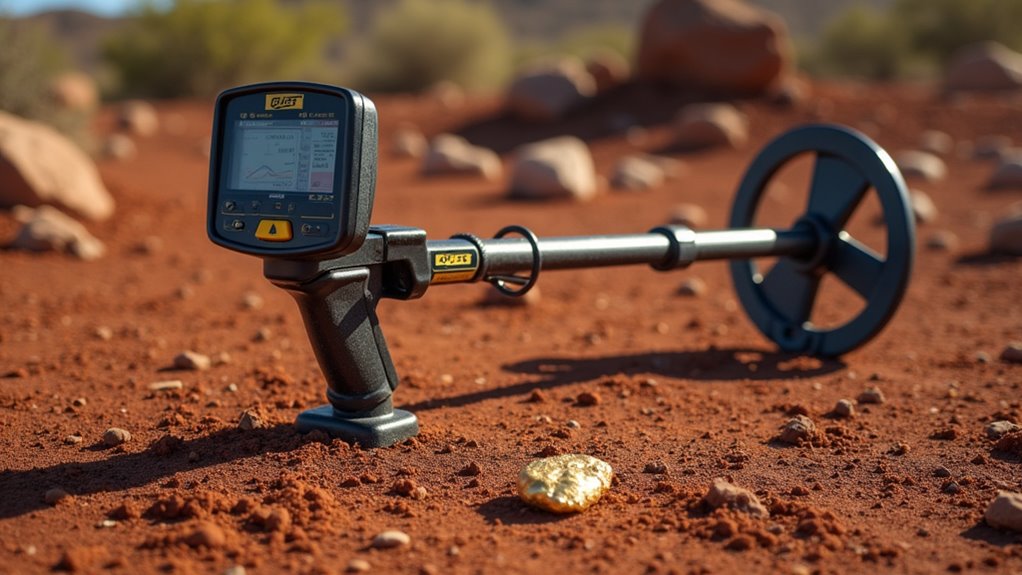
Saltwater gold refining is shaking up the small-scale recovery game. This innovative process uses basic electrolysis with saltwater instead of nasty acid baths, achieving pro-level purities above 99.95%. The setup’s pretty straightforward – DC power supply, some electrodes, and a ceramic sieve to seperate the good stuff. Takes about 1-2 hours per ounce of gold, with way less risk than traditional methods. There’s a whole world of nerdy science behind this eco-friendly approach to getting that shine.

While traditional gold refiners cling to their hazardous acid baths like it’s 1922, saltwater refining has emerged as the method that actually makes sense in today’s world. Instead of messing around with dangerous acids that could melt your face off, this method uses nothing more threatening than saltwater and electricity to achieve gold purities above 99.95%. Yeah, you heard that right – just salt and zaps. Maintaining quality control standards through regular testing ensures consistent purity levels throughout the process. The Miller Process is a traditional method, but saltwater refining offers a safer alternative.
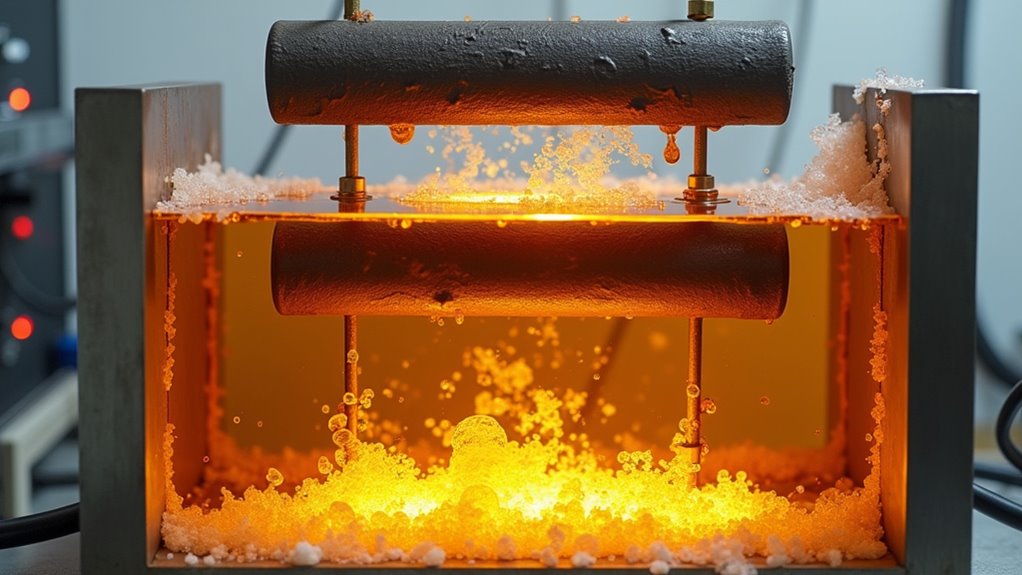
The setup is surprisingly straightforward, though don’t mistake simple for amateur hour. You’ll need a direct current power supply, a fancy ceramic molecular sieve that does the heavy lifting, and some basic electrodes – typically titanium or platinum for the cathode, while your impure gold serves as the anode. The process typically takes 1-2 hours per ounce of gold to fully dissolve. The whole process relies on electrolysis, where electric current forces gold ions to migrate through that molecular sieve while leaving the junk metals behind in solution.
Basic gear needed: power supply, molecular sieve, and electrodes. Add electricity and watch the gold ions dance through while impurities stay behind.
Let’s be real – the biggest selling point here isn’t just the end result (though getting 99.99% pure gold ain’t too shabby). It’s the fact that you’re not playing Russian roulette with hydrochloric acid in your workspace. This method is actually suitable for processing delicate materials like opals and pearls, which would literally dissolve into goo using traditional acid methods. Plus, it handles pretty much any karat gold you throw at it.

The chemistry might sound complicated, but it’s basically a controlled game of musical chairs with metal ions. Gold gets oxidized at the anode, reduced at the cathode, and dances around as gold chloride complexes in between. A catalyst helps precipitate out exactly what you want, while urea neutralizes any pesky nitrogen ions that might crash the party.
Sure, you still need proper ventilation and basic protective gear – this isn’t exactly making lemonade here. But compared to traditional refining, the safety requirements are a joke. Just handle the saltwater solution carefully, keep an eye on your current and voltage, and don’t be an idiot about waste disposal.
The final steps are pretty straightforward: filter out those precious gold particles, give ’em a good rinse, dry everything out, and melt that beauty down into whatever form floats your boat. The best part? You can actually separate all the platinum group metals from each other in the process – try doing that with your grandpa’s acid bath setup.
Look, change is hard. But clinging to outdated methods when there’s a cleaner, safer alternative is just plain stubborn. Saltwater refining delivers the same (or better) results without turning your workspace into a hazmat zone. It’s time for small-scale refiners to step into the 21st century and leave those dangerous acid baths where they belong – in the history books.
Frequently Asked Questions
What Safety Equipment Is Required for Saltwater Gold Refining at Home?
Handling dangerous chemicals requires serious protection – no cutting corners.
Must-haves: chemical-resistant gloves, safety goggles, face shield, and proper respirator (P100-rated or better).
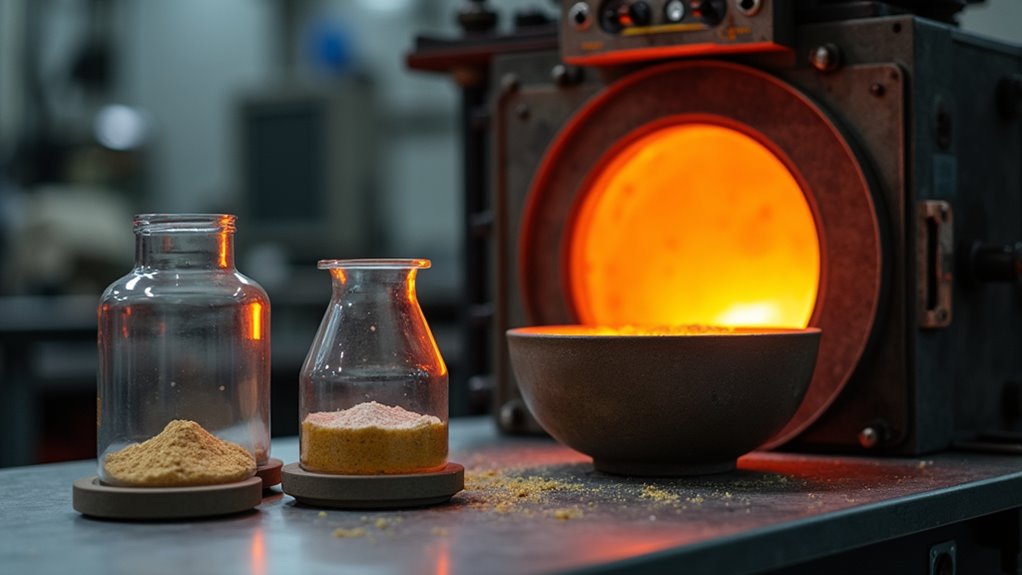
Need good ventilation too – fume hood or local exhaust system.
Emergency gear like eyewash station and chemical fire extinguisher could save your life.
Dont skimp on protective clothing and steel-toed boots either.
Safety first, or dont do it at all.
How Long Does the Entire Saltwater Refining Process Typically Take?

The total time for saltwater refining varies based on batch size. Small batches take 2-3 hours, while larger ones need 6-8 hours.
Setup adds an hour, dissolution takes 1-2 hours per ounce, and cleanup’s another 1-2 hours.
Overnight processing is possible for efficiency freaks. Factor in cooling time and safety protocols – they ain’t optional.
Here’s the kicker: experience level makes a huge difference in speed. Rookies should expect longer times.
Can Saltwater Gold Refining Be Used With Gold-Plated Items?

Yes, saltwater refining works on gold-plated items.
It’s actually pretty great for e-waste like circuit boards and electronic components.
But here’s the catch – you gotta pre-treat items to strip away base metals first, or you’ll end up with a mess.
Works best on stuff with thicker gold plating, not that cheap thin-as-paper coating.

Most effective when the material is ground up fine.
Just don’t expect miracles with super low-grade items.
What Is the Minimum Amount of Gold Needed for Effective Recovery?
You need at least 20 ounces per ton of material for economically viable gold recovery.
Anything less is just wasting time and money. Sure, there’s technically gold in everything – even seawater has 0.05 ppb – but good luck making that profitable!
The real minimum depends on your setup, but most refiners won’t touch anything below 85% purity.
Thats just basic economics, folks.
Does Saltwater Refining Work for Gold With Platinum Group Metal Content?
Yes, saltwater refining absolutely works for gold-PGM alloys – and it’s pretty darn efficient too.
Here’s the deal: as long as platinum content stays under 20%, the process runs smooth as butter. Higher platinum? No sweat – just needs some tweaking with alloy additions.
The real kicker? No nasty catalysts needed for platinum-containing stuff.
Process converts those PGMs into insoluable compounds while purifying everything to 99.99%+ levels.
Pretty slick, right?