Alloy gold-plated jewelry delivers serious bang-for-buck swagger, wrapping budget-friendly base metals like brass or copper in a sleek golden embrace. Through electroplating magic, these pieces rock that coveted precious metal gleam without the jaw-dropping price tag of solid gold. While the plating may need some TLC and won’t last forever, proper care keeps these affordable stunners looking sharp. Just don’t expect your great-grandkids to inherit them – there’s way more to this golden story.

Glitter may be temporary, but style is forever – or at least that’s what alloy gold-plated jewelry promises. This fascinating fusion of base metals with a delicate golden embrace has revolutionized the jewelry market, offering budget-conscious fashionistas a chance to shine without breaking the bank. The process combines durability with desirability, wrapping humble metals like brass, copper, or silver in a thin yet tantalizing layer of gold through electroplating.
The magic happens when common base metals get their golden makeover. Brass leads the pack as the go-to foundation, thanks to its stellar corrosion resistance and wallet-friendly nature. Copper jumps in to add some muscle to the mix, while silver keeps things light and flexy. Some manufacturers throw nickel into the equation for extra strength, though it’s kinda like inviting that friend who might start drama – some people are just allergic to their presence. Notably, the gold layer usually contains a specific gold alloy to enhance its appearance and longevity. Additionally, the gold plating can tarnish over time due to exposure to environmental factors.
Speaking of drama, let’s talk about the good, the bad, and the occasionally ugly. These pieces rock the affordability factor and come in enough styles to make your head spin. They’re lightweight enough to rock all day without feeling like you’re training for the Olympics, and that golden finish? chef’s kiss Additionally, the use of common gold alloys in the plating process can enhance the overall aesthetic and durability of the jewelry.

But here’s the tea – that gorgeous gold layer isn’t exactly in it for the long haul. Like a summer romance, it’ll eventually fade, chip, or wave goodbye after too many pool parties. Gold plated jewelry is often more affordable than solid gold, making it a popular choice for those who want the look without the investment.
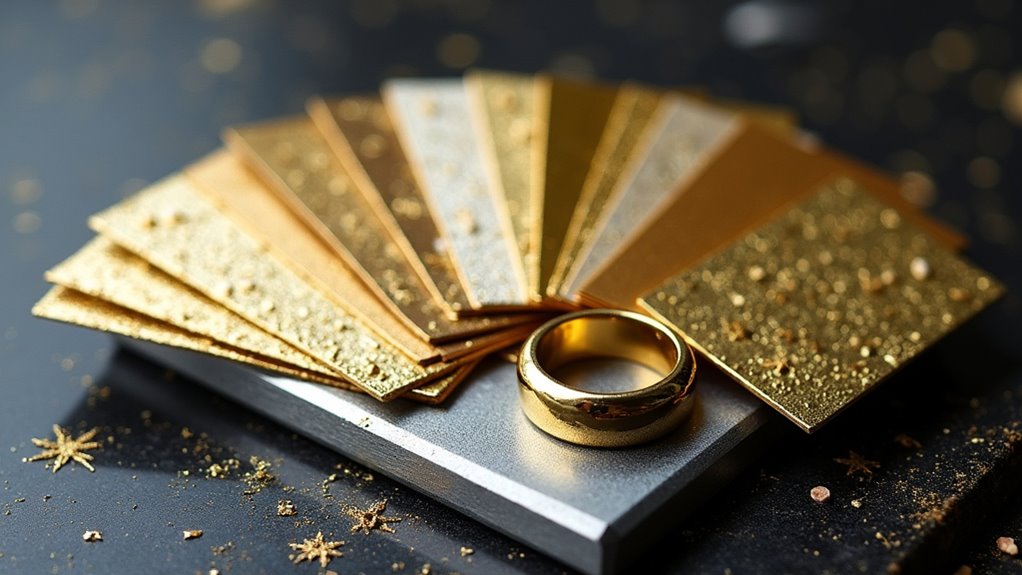
The gold alloys used for plating are like a metal mixologist’s dream menu. You’ve got your classic yellow gold blend, the sophisticated white gold mixture, and that Instagram-worthy rose gold combo that’s basically copper playing dress-up. Some mad scientists even cook up green gold by throwing silver into the mix – because why not make jewelry that matches your matcha latte?
Taking care of these gilded beauties requires more babying than a newborn smartphone. Keep ’em away from water (yeah, that includes your post-workout glow), and treat them like they’re allergic to chemicals. Store each piece like it’s in witness protection – isolated and wrapped in soft cloth. When they start looking a bit meh, professional re-plating can give them their groove back.
For the savvy shopper eyeing these golden imposters, there’s some homework to do. Check that gold layer thickness – thicker equals longer-lasting bling. Know your base metals to avoid any surprise allergic reactions, and inspect the plating job like you’re judging a beauty pageant.

And remember, while the price tag might make you smile, you’re not exactly buying your retirement plan here. But hey, who needs a college fund when you can rock those trendy earrings for a season or three?
Frequently Asked Questions
Can I Shower While Wearing Gold Plated Jewelry?
Showering with gold-plated jewelry? Not the smartest move!
Water exposure, especially when combined with soaps and shampoos, gradually erodes that precious gold layer – it’s basically torture for your bling.
The warm water and chemicals tag-team to weaken the plating’s bond with the base metal, leaving jewelry looking dull and worn.

For longer-lasting pieces, it’s best to keep those gold-plated treasures far from the shower’s steamy reach.
How Often Should I Replate My Gold Plated Jewelry?
Gold plated jewelry typically needs replating every 1-3 years, depending on how often it’s worn.
Daily-wear pieces like rings might need attention annually, while occasional statement pieces can stretch to 3+ years.
Lifestyle’s a major factor – gym rats and pool enthusiasts will see faster wear!
Pro tip: quality initial plating makes a huge diff’rence.
Those cheap-o pieces? They’ll need replating faster than you can say “tarnished dreams.”
Will Gold Plated Jewelry Turn My Skin Green?
Yes, gold plated jewelry can absolutely turn skin green – it’s basically chemistry having a field day on your fingers!
The culprit isn’t actually the gold but those sneaky base metals underneath, especially copper. When sweat and skin oils crash the party, they trigger oxidation that creates those lovely green marks.

But here’s the deal: thicker plating means less chance of looking like you’ve been finger-painting with Kermit the Frog.
Is Gold Plated Jewelry Worth Investing in as Fine Jewelry?
Gold plated jewelry isn’t worth the investment if you’re seeking fine jewelry status.
Despite its attractive price point, the microscopic gold layer eventually wears off, leaving behind virtually zero resale value.
It’s basically the fast fashion of jewelry – great for trending styles but terrible for your portfolio.

Smart collectors know: If you’re hunting for investment-grade pieces, stick to solid gold.
The plated stuff? Save it for fun fashion statements.
What’s the Average Lifespan of Gold Plating on Everyday Jewelry?
Gold plating’s lifespan varies dramatically based on wear patterns and quality.
Daily-worn pieces like rings typically last 1-2 years, while necklaces and earrings can stretch to 2-3 years.
Heavy-duty plating (2.5+ microns) might survive 5+ years with proper care, but budget pieces often fade within months.
Environmental factors like sweat and chemicals accelerate wear, and base metal quality plays a huge role in duribility – yes, we meant durability, but you get the point!