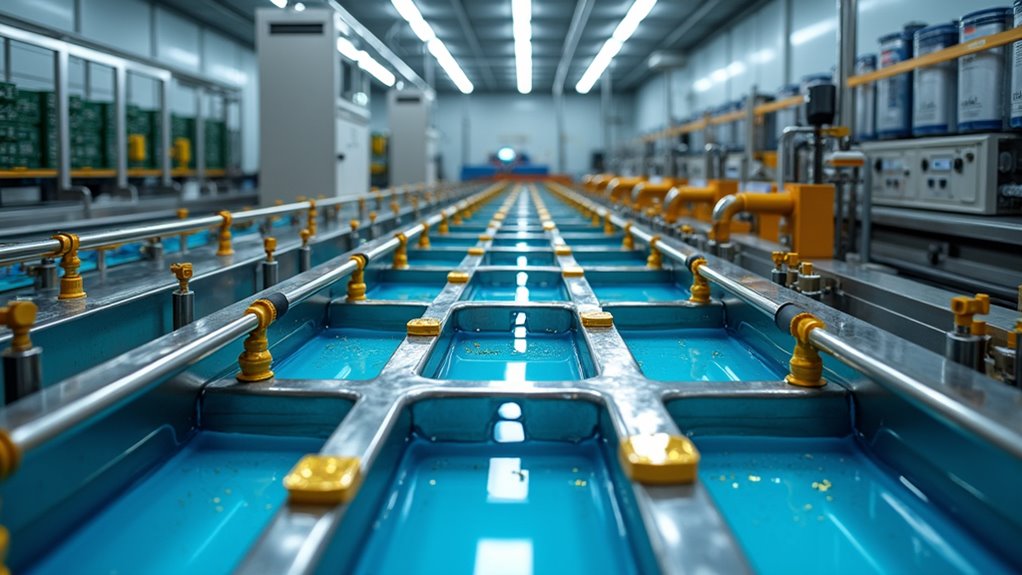
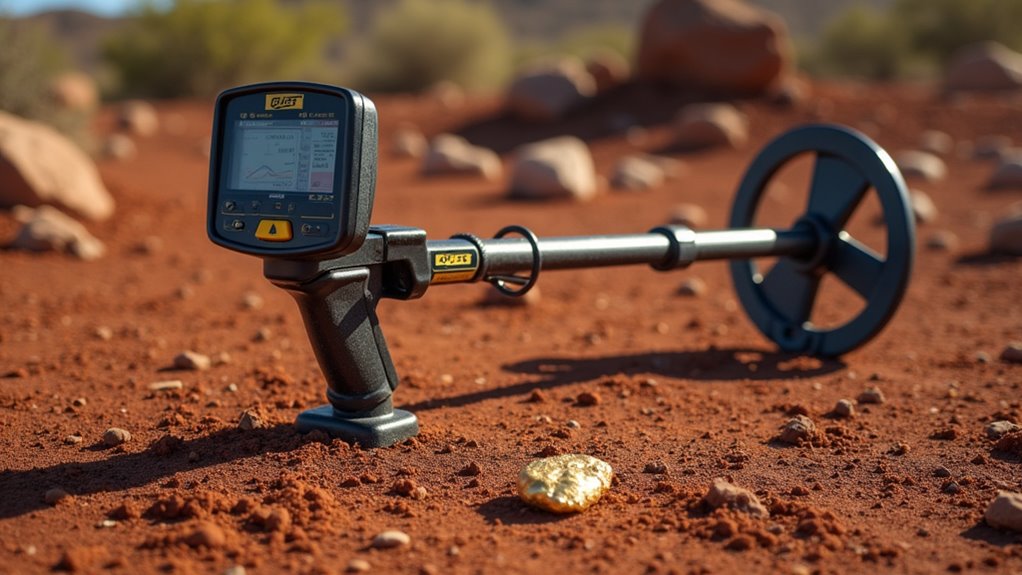
Fire assay isn’t just some fancy new tech – it’s been the undisputed champ of metal analysis since before Columbus set sail. This beast of a method crushes ore samples, heats them to a scorching 1,000°C, and uses lead oxide to separate precious metals from worthless junk. It’s so precise it can detect gold down to a microgram, which is why mining companies and jewelers swear by it. The ancient process remains unbeatable, even as modern methods try to dethrone it.

Fire assay isn’t just some fancy lab technique – it’s the gold standard that’s been kicking ass in metallurgy since before Columbus sailed the ocean blue. While other methods come and go like fashion trends, this beast of a process has stood the test of time, transforming complex ore samples into pure metal beads with the kind of precision that makes modern tech look like child’s play.
Fire assay has been the unrivaled boss of metallurgy for centuries, turning raw ore into pure metal with mind-blowing precision.
Let’s get real about what makes this process tick. You start by crushing your sample into submission – yeah, literally pulverizing it. Then comes the fun part: throwing it into a furnace hot enough to make Hell look like a winter getaway, we’re talking over 1,000°C. Mix in some lead oxide, borax, and silica – it’s basically cooking, if your cookbook was written by a mad scientist. The method requires carefully weighed reagents to ensure accurate results. Using exactly one assay ton of sample, which is 29.167 grams, ensures precise calculations of metal content. This gold fire assay process is renowned for its reliability and effectiveness in determining the purity of gold.
The genius of fire assay lies in its brutal simplicity. When that lead collector does its thing, grabbing onto precious metals like a jealous ex who won’t let go, you know you’re witnessing something special. The process is ruthless – everything that isn’t precious metal gets tossed aside like last week’s leftovers. What you’re left with is a tiny bead of pure awesomeness that tells you exactly what you’re working with.

Here’s the kicker – this method is so damn accurate it can detect gold concentrations from as little as 1 microgram up to a full gram. That’s why it’s the go-to method for settling legal disputes and determining if that “genuine” gold chain you bought from your cousin’s friend is actually worth more than the packaging it came in.
The applications are everywhere, and they’re not messing around. Mining companies rely on it to figure out if they’re sitting on a goldmine or just a really expensive hole in the ground. Jewelry makers use it to prove their stuff is legit. Even the electronics industry needs it to verify their components aren’t just glorified brass.
Modern labs have jazzed it up with fancy equipment like ICP-MS and electric furnaces, but the core process remains unchanged. Why? Because it works, plain and simple. It’s cost-effective, adaptable as hell, and handles samples of all sizes like a champ.
Sure, some newer methods might look prettier on paper, but when you need results you can bet your life savings on, fire assay is still the undisputed heavyweight champion.
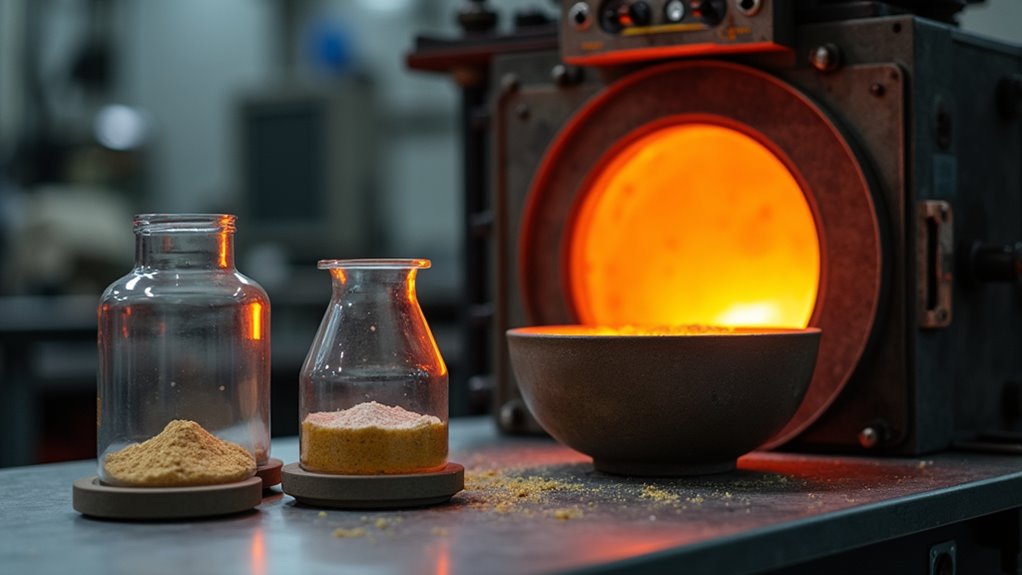
The best part? While other analytical methods might give you a headache trying to figure out what the results actually mean, fire assay gives it to you straight – no BS, no complicated interpretations. Just cold, hard facts about what’s actually in your sample. In a world full of overcomplicated solutions, sometimes the old-school approach still packs the hardest punch.
Frequently Asked Questions
What Safety Certifications Are Required to Perform Fire Assay Testing?
Fire assay testing isn’t for amateurs – you need serious creds.
NICET certification is a must-have, plus specific training in fire assay techniques. Labs gotta be ANAB accredited and ISO/IEC 17025:2005 compliant.
Don’t forget OSHA safety training – those furnaces are no joke. Personnel need documented proof of handling dangerous chemicals and high-temp equipment.

Miss any of these, and you’re playing with fire – literally.
How Much Does Professional Fire Assay Equipment Typically Cost?
Professional fire assay gear ain’t cheap – that’s for sure.
Basic starter kits run $3,000-$7,500, while the fancy automated setups hit $15,000-$20,000.
But here’s the kicker: a full lab installation? That’ll set you back $30,000 to $100,000+.

Throw in ventilation systems ($5k-$15k), monthly supplies ($500-$2k), and those pesky training costs ($1k-$5k), and you’re looking at some serious cash.
Not for the faint of wallet!
Can Fire Assay Be Used to Test Jewelry Without Damaging It?
No way – fire assay straight-up destroys whatever you’re testing. It literally melts the metal at crazy-high temps around 1900°F.
Anyone suggesting this for grandma’s wedding ring is either clueless or cruel.

For jewelry testing that won’t wreck your precious pieces, XRF analyzers or touchstone tests are the way to go. They’ll tell you what’s what without turning your jewelry into a molten puddle.
Fire assay belongs in refineries, not jewelry stores.
What Are the Environmental Impacts of Fire Assay Waste Products?
Fire assay waste is an environmental nightmare – period.
The process creates hazardous materials loaded with lead and heavy metals that contaminate soil and water.
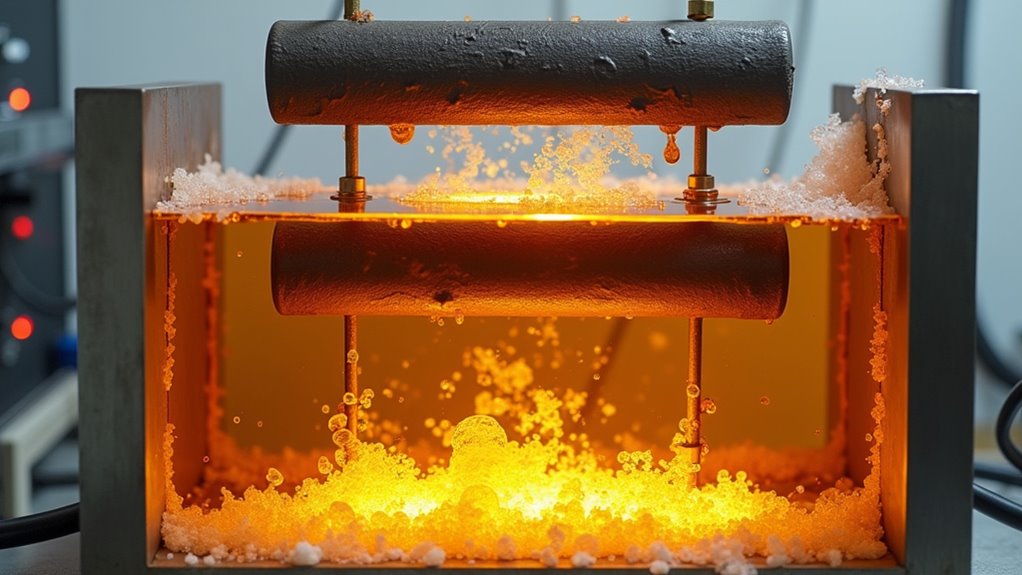
Let’s be real: those toxic sludges and crucible wastes don’t just disappear into thin air. They leach nasty chemicals into groundwater and release greenhouse gases when processed.
Plus, the whole thing burns through energy like nobody’s business. Not exactly Mother Nature’s favorite testing method.
How Long Does It Take to Become Proficient in Fire Assay Techniques?
Becoming a fire assay pro isn’t a weekend workshop deal.
It takes 1.5-2 years of hardcore training – minimum. Labs only take 12 students at a time for a reason. You need that chemical/mining tech diploma first, then endless hours of practice til your hands move like clockwork.
Sure, some hotshots claim they learned it faster, but let’s get real – mastering this ancient art takes serious time n’ dedication.
No shortcuts here, folks.