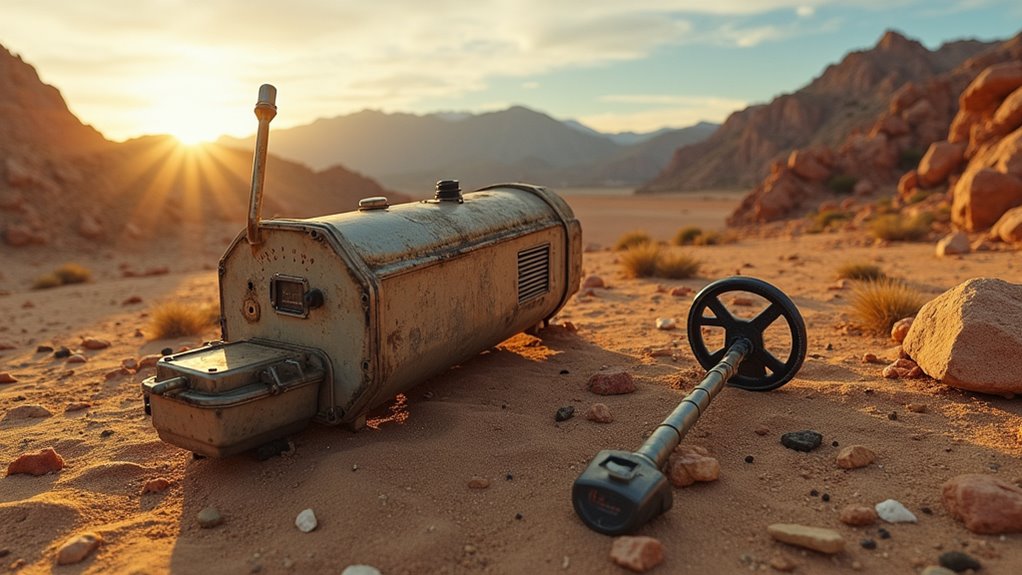
Next-gen gold extraction’s getting wild! Modern mining ops are ditching mercury for smart tech and eco-friendly methods. Remote monitoring systems keep miners safer while vortex concentration spins gold right outta ore – no toxic chemicals needed. Underground ventilation’s gone high-tech, and those massive open-pit operations? They’re evolving with surgical precision. Even traditional alluvial techniques are getting a 21st-century makeover. The gold rush ain’t what it used to be, but that’s precisely why it’s so dang exciting.
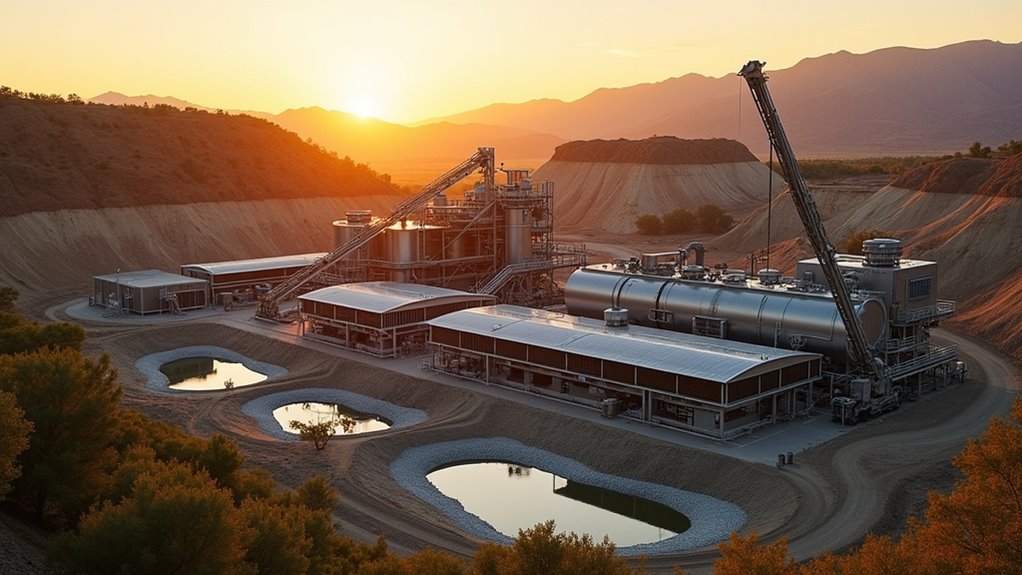
From bare-earth excavation to cutting-edge chemical processes, gold extraction has evolved into a fascinatingly complex dance of human ingenuity versus nature’s tight grip on its precious metals. Modern mining operations deploy an arsenal of techniques, each suited to specific deposit types and environmental conditions.
Open-pit mining, while brutally efficient for shallow deposits, literally tears the earth open with massive machinery and explosives – not exactly winning any beauty contests, but getting the job done. This method often leads to significant environmental degradation, necessitating the implementation of sustainable practices. Moreover, advancements in remote gold mine monitoring have begun to enhance safety and efficiency during open-pit operations.
Open pits are nature’s worst nightmare – massive mechanical beasts ripping through earth’s flesh to feed our endless gold addiction.
Underground mining takes a more surgical approach, snaking through the earth’s crust like a network of metallic veins. It’s costlier and demands serious safety protocols (because, you know, having tons of rock above your head isn’t exactly comforting), but it’s often the only way to reach those deeper deposits that refuse to play nice near the surface.

The ventilation systems alone are engineering marvels, keeping miners from suffocating in the depths – which seems like a pretty reasonable investment.
Then there’s alluvial mining, nature’s way of doing half the work for us. Rivers have been tumbling and concentrating gold for millions of years, creating deposits that can be worked with surprisingly simple tools.
Sure, it’s less dramatic than blasting through mountains, but sometimes the old-school approach still works best. Modern operators have perfected gravity concentration techniques that exploit gold’s stubborn refusal to float like lighter minerals – a characteristic that’s made many a prospector’s day.
The flotation process flips that concept on its head, actually making gold float (with a little chemical persuasion). It’s perfect for those annoying ores where the gold is spread so thin you can’t see it with the naked eye.

The process requires some serious infrastructure and careful chemical management, but it’s become a go-to method for processing low-grade ores that would’ve been ignored a century ago.
Perhaps the most interesting development is the push toward mercury-free extraction methods. Artisanal miners are increasingly adopting techniques like vortex concentration, which uses water’s spinning motion to separate gold – kind of like a high-tech version of the old gold pan.
These methods might not have the raw processing power of industrial operations, but they’re keeping toxic mercury out of ecosystems, which seems like a pretty decent trade-off. In fact, mercury-free extraction methods are gaining traction worldwide as awareness of environmental impacts increases.
The future of gold extraction is trending toward smarter, more precise methods that can handle increasingly complex ores while minimizing environmental impact. Sustainable practices in mining are becoming essential to protect our planet’s future.
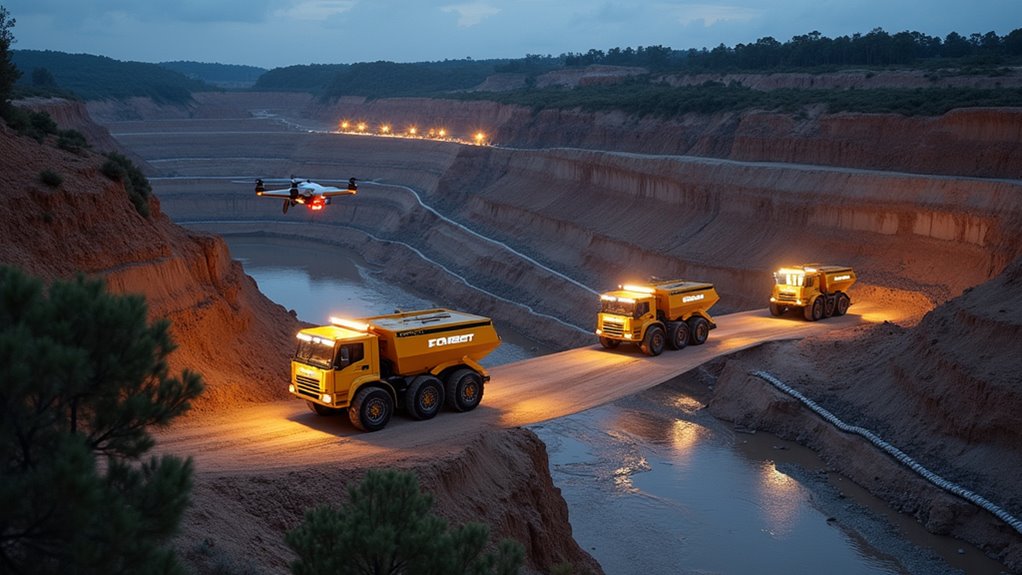
Whether it’s advanced gravity separation systems or innovative chemical processes, the industry keeps finding new ways to coax the yellow metal from its hiding places.
And let’s be honest – with gold prices doing their usual roller-coaster impression, the pressure to develop more efficient extraction methods isn’t going anywhere anytime soon.
Frequently Asked Questions
What Environmental Safeguards Are Required for Modern Gold Mining Operations?
Modern gold mining demands rigorous environmental safeguards to protect ecosystems.
Operations must implement strict chemical management protocols, especially for mercury and cyanide. Thorough water management systems prevent contamination of local water sources, while tailings dams require robust engineering.

Land restoration plans are mandatory, including reforestation and soil stabilization. Regular environmental monitoring, renewable energy adoption, and pollution control measures guarantee mining activities maintain minimal ecological impact.
How Do Mining Companies Determine the Economic Viability of a Gold Deposit?
Mining companies assess deposit viability through thorough economic analysis, starting with resource estimates that evaluate grade and tonnage.
PEAs crunch the numbers on capital costs, projected revenues, and operational expenses. Key metrics like NPV and IRR help determine if the project’s worth pursuing.
Companies factor in gold prices, strip ratios, and recovery rates – it’s all about the bottom line.

Environmental compliance and infrastructure needs round out the financial picture.
What Qualifications Are Needed to Work in Advanced Gold Drilling Operations?
Modern gold drilling demands serious credentials. Workers need a high school diploma plus specialized certificates like NOCN Level 3 in Advanced Land Drilling.
Technical skills? Essential – we’re talking 12-24 months of hands-on training with fancy equipment like rotary and sonic drills.
Safety certs are non-negotiable, especially MSHA-approved courses.

Supervisory roles? Better grab that management training and rack up years of field experience.
Environmental compliance knowledge is the new must-have.
How Do Weather Conditions Affect Next-Generation Gold Drilling Equipment?
Weather throws some serious curveballs at next-gen drilling gear!
Extreme cold messes with hydraulics and makes batteries throw tantrums, while scorching heat turns equipment into overheated paperweights.
Rain? It’s basically kryptonite for electrical systems and creates muddy nightmares.
Don’t even get started on those storms – they’re playing demolition derby with tower rigs and communications.
Mother Nature really knows how to complicate these million-dollar machines’ lives!
What Role Does Artificial Intelligence Play in Identifying Potential Gold Deposits?
AI’s revolutionizing gold deposit identification with scary-good accuracy. Advanced algorithms crunch massive datasets, spotting patterns that’d make old-school prospectors’ heads spin.
These smart systems analyze everything from geological surveys to satellite imagery, creating precise 3D maps of potential gold zones. The tech’s success rate? Through the roof – transforming hit-or-miss exploration into a data-driven goldmine hunt thats actually working.
Mind-blowing stuff for the mining industry!