Mini gold dredges pack serious gold-getting power into portable packages, but choosing the right one ain’t child’s play. For solo prospectors, a 5-inch dredge hits the sweet spot, while deeper ops demand 6-8 inchers with proper horses under the hood. Smart buyers factor in portability, sluice design, and local regs before dropping $10k+ on new gear. Rentals offer a test drive for newbies still gettin’ their feet wet. Plenty more nuggets of wisdom await down this golden rabbit hole.

While novice prospectors might be tempted to plunge into dredging with whatever equipment they can get their hands on, selecting the right mini gold dredge can mean the difference between striking it rich and watching precious metals slip through your fingers. The market’s flooded with options, but here’s the dirt: size matters, and it starts at 4 inches minimum for any serious gold recovery operation. California’s current dredging moratorium serves as a stark reminder to check local regulations before investing, as improper practices can lead to significant environmental degradation. Properly designed suction dredges can significantly improve your chances of gold recovery, and understanding prospecting equipment can help you make more informed decisions.
Let’s cut to the chase – a 5-inch dredge hits the sweet spot for solo operators, while the big boys (6-8 inchers) are what you need when you’re going deep. But don’t get caught up in the “bigger is better” hype without checking local regs – some jurisdictions will slap you with fines faster than you can say “paydirt” for using oversized equipment. Many experienced operators prefer Proline dredges for their superior build quality and efficiency compared to other brands.
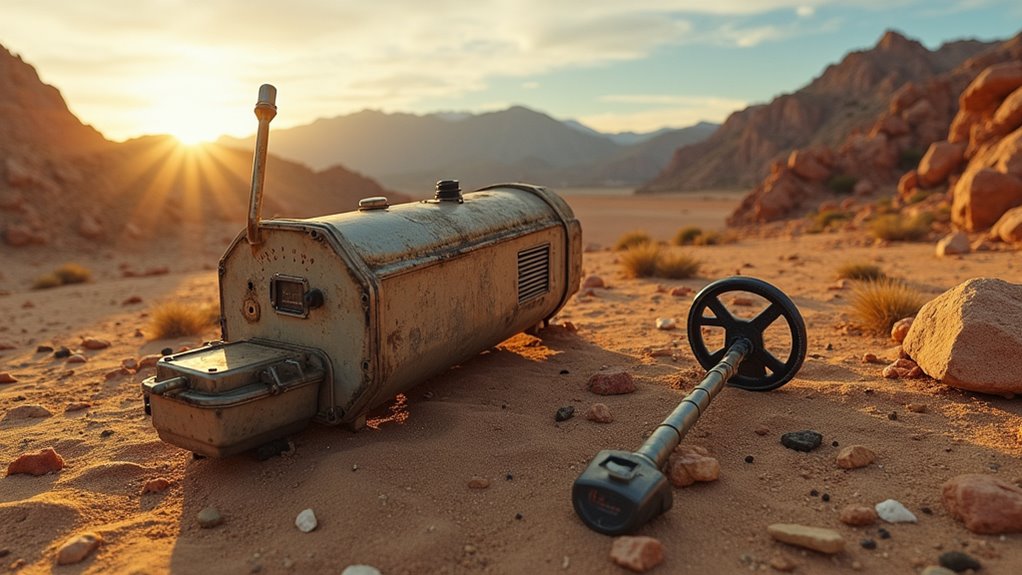
Power requirements aren’t just numbers on a spec sheet – they’re your ticket to efficiency or frustration. An 8 hp engine barely cuts it for a 4-inch setup, while you’ll need 16 horses to properly run a 6-inch beast. Skimp on power, and you’ll be watching other prospectors haul in the good stuff while your underpowered rig struggles to suck up pebbles. Additionally, proper washing equipment techniques can significantly enhance your gold recovery by efficiently removing clay and debris.

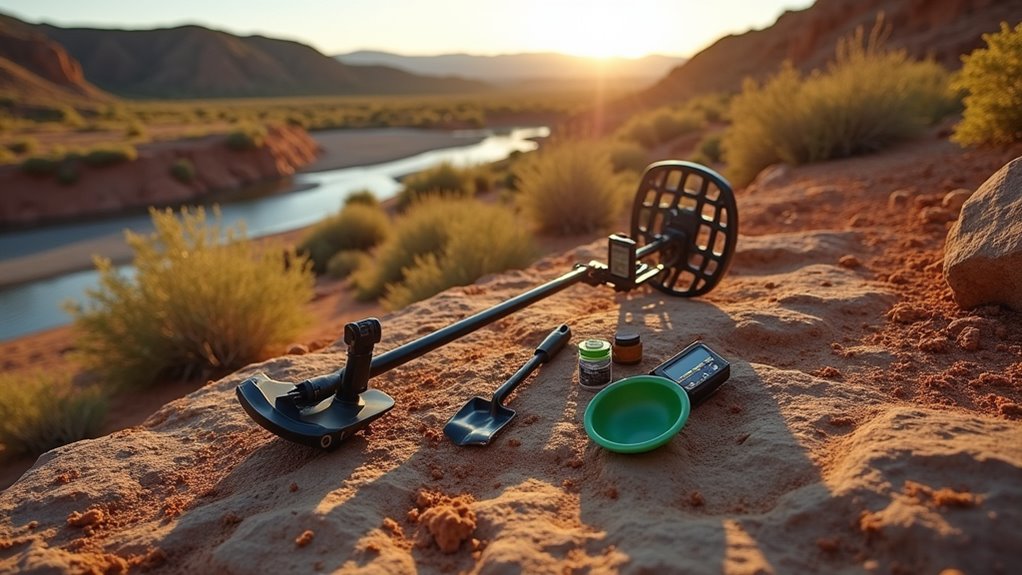
Portability’s gonna make or break your operation, especially if you’re eyeing those sweet, remote locations. Backpack dredges are essential for reaching pristine spots, but pontoon setups offer stability that’ll keep you from cursing every ripple in the stream. Smart operators go for suitcase designs that break down easy – nothing worse than lugging a one-piece monster through rough terrain.
The nitty-gritty of nozzles and hoses might put you to sleep, but they’re vital. Here’s the real deal: your nozzle should run slightly smaller than your hose diameter, and longer hoses give you room to maneuver. Power jets look sexy on paper, but they’re useless if you can’t maintain suction.
Dredging success lives and dies by your nozzle setup – undersized means better suction, while proper hose length keeps you in the game.
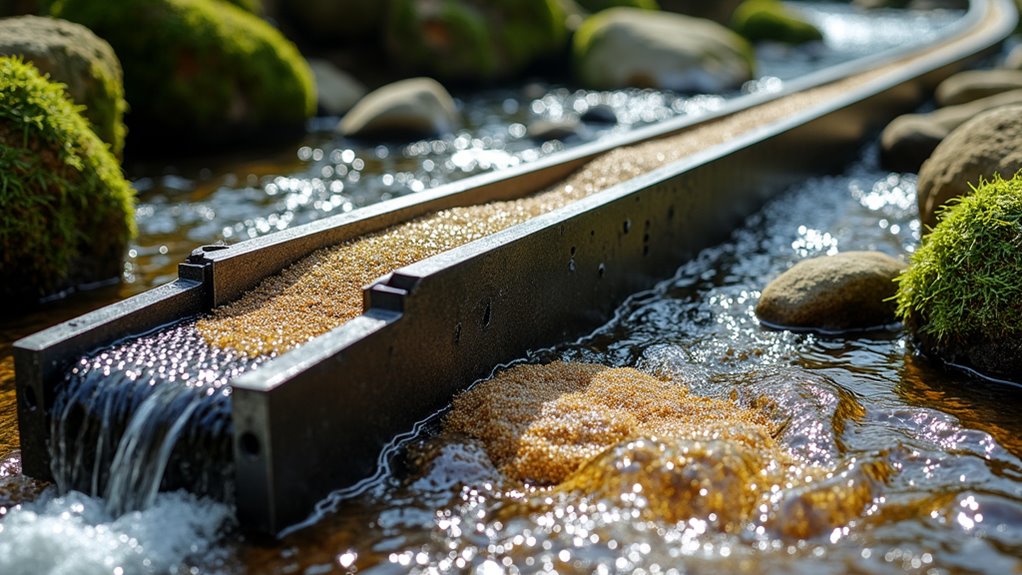
Sluice box design separates the pros from the wannabes. A proper riffle setup with smart classifier screens and flow dampers means keeping more gold and spending less time cursing at your equipment.
And yeah, cleanup matters – unless you enjoy spending hours picking through concentrate when you could be dredging.

Price tags starting around $10k might make your wallet cry, but consider this: renting might make more sense if you’re just dipping your toes in the water. Factor in accessories, maintenance, and maybe even rental income to offset costs.
Just don’t forget the environmental angle – permits, regulations, and ecosystem impact aren’t optional considerations anymore. Some areas have straight-up banned dredging, so do your homework before dropping serious cash on equipment that might end up collecting dust in your garage.
Frequently Asked Questions
Can I Legally Operate a Mini Gold Dredge in My State?
The legality of mini gold dredging varies drastically by state – it’s a total maze of regs!
California’s got a flat-out ban, while places like Alaska let ya dredge off Nome beach (with limits, obvs).

Most states demand permits, and we’re talking multiple ones sometimes – enviro permits, dredging permits, the whole shebang.
Bottom line: check local regs first or risk some nasty fines. Rules change faster than gold prices, so stay sharp!
How Much Gold Can I Typically Expect to Find per Day?
Daily gold finds vary dramatically – like your luck at Vegas, but with more mud!
Small portable dredges typically yield anywhere from a few grams to several ounces per day, translating to $1,000-$10,000 at current prices.
But dont get too excited… Most recreational prospectors average much less.
Location is everything! Rich gold-bearing deposits could boost yields while poor spots might leave you empty handed.
Environmental conditions, dredge size, and operator skill all affect your haul.
What Safety Equipment Is Required When Operating a Mini Gold Dredge?
Operating a mini gold dredge demands serious safety gear – no shortcuts here! Must-haves include a USCG-approved PFD in that eye-searing orange or yellow-green (ya know, so they can spot you from Mars), anti-slip boots for those slick surfaces, and emergency comms equipment.
Don’t forget 31 square inches of reflective material slapped on that PFD’s front and back. These ain’t suggestions, folks – they’re literally life-savers when you’re playing in nature’s bathtub!
Do I Need Special Permits or Licenses for Mini Gold Dredging?

Hell yeah, permits are definitely required! Most states demand specific authorizations for suction dredging – it’s not just a grab-your-gear-and-go situation.
You’re looking at state, federal, and sometimes local permits, with fees typically running $10-30 annually.
Here’s the kicker: operating without proper permits can result in hefty fines! Environmental regs are no joke – you’ll need to navigate Clean Water Act requirements and possibly snag additional permits for land access.
Don’t mess around – get legal first!
How Long Does a Mini Gold Dredge Engine Typically Last?

Mini gold dredge engines typically last 500-1000 hours when properly maintained.
These small workhorses can stretch 2-5 years under heavy prospecting conditions, but environmental factors like water exposure and sediment can accelerate wear.
Here’s the kicker – proper maintenance is everything!
Regular oil changes and air filter replacements can double that lifespan, while neglect might kill it in one season.
Hint: Listen for those weird noises – they’re telling you something!