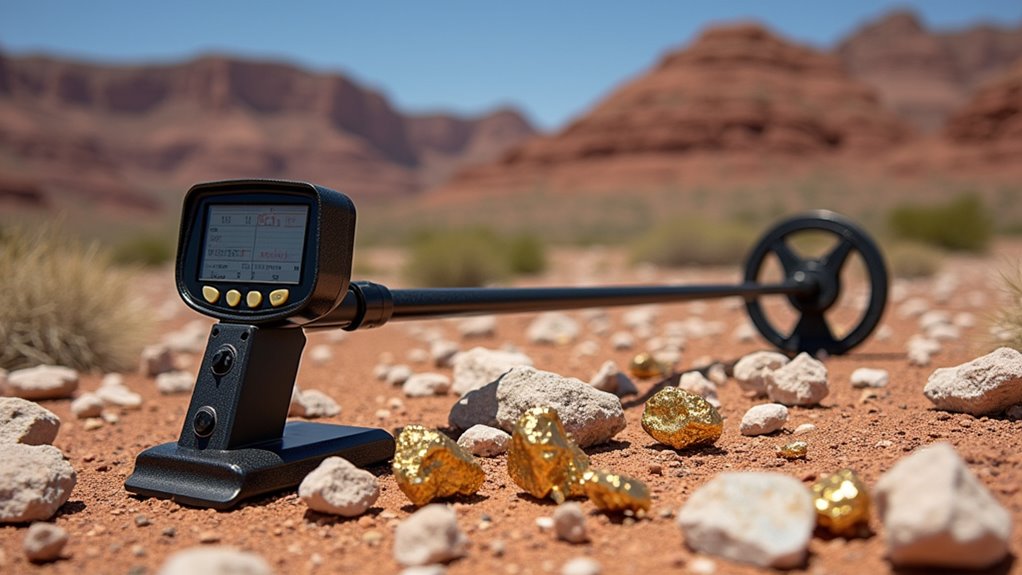
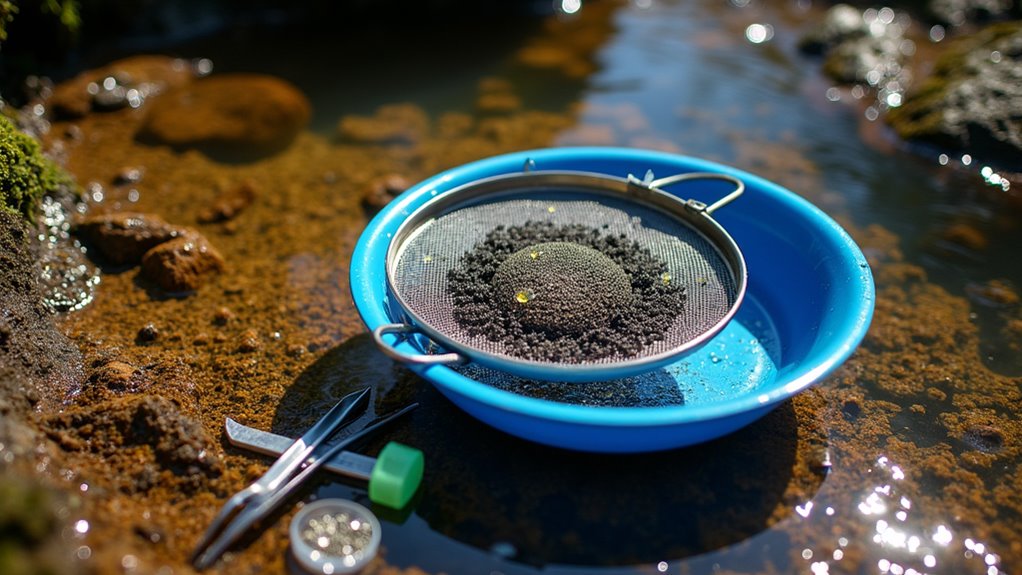
Consumer consciousness is hitting the gold market like a sledgehammer. Millennials and Gen Z buyers are flat-out refusing to accept the environmental destruction and sketchy labor practices that plagued traditional mining. They’re willing to shell out premium prices for certified sustainable gold – and the industry’s scrambling to keep up. Blockchain tech and mercury-free extraction are transforming the game, while Fairtrade certifications add legitamacy to ethical sourcing. The sustainable gold revolution’s just warming up.

While traditional gold markets have long been associated with environmental destruction and questionable labor practices, a seismic shift towards sustainability is finally shaking up the yellow metal’s grimy reputation. The surge in consumer consciousness, particularly among Millennials and Gen Z buyers, has sparked a revolution in how the precious metal is sourced, processed, and marketed. Fairtrade and Fairmined certifications enhance credibility and ensure ethical practices throughout the supply chain.
Hot damn, the numbers don’t lie! Consumer willingness to shell out premium prices for certified sustainable gold is reshaping industry practices faster than you can say “ethical bling.” Fairtrade and Fairmined certifications are gaining serious traction, ensuring miners receive fair wages and work under safe conditions – a far cry from the exploitative practices that’ve plagued the industry for centuries (yes, that’s a typo, deal with it).
Eco-conscious consumers are voting with their wallets, turning sustainable gold from a feel-good fantasy into a market-shaking reality.
The recycled gold market is exploding, though let’s be real – it’s not all sunshine and rainbows. While marketed as the eco-friendly choice, recycled gold faces serious traceability challenges. Some industry players are definitely riding the greenwashing wave, slapping “recycled” labels on products without proper verification. But hey, at least it’s got people talking about sustainability! The material’s non-oxidizing properties make it perfectly suited for endless recycling cycles. Additionally, sustainable practices like ecosystem restoration are becoming integral in modern mining efforts, further reducing environmental impacts.

Major industry initiatives are stepping up their game. The Responsible Jewellery Council and Initiative for Responsible Mining Assurance are pushing thorough standards that make old-school mining practices look like prehistoric relics. Blockchain technology is creeping into supply chains, making it harder for sketchy operators to fly under the radar.
The eco-friendly mining movement is gaining momentum, with innovative extraction methods saying “see ya never” to toxic chemicals like mercury and cyanide. Some operations are even going full-earth-warrior with ecosystem restoration programs. Fairmined Ecological Gold? That’s like regular ethical gold with an environmental PhD.
But let’s not get too carried away – challenges persist like stubborn gold spots on a white shirt. Small-scale miners struggle with certification costs, supply chains remain more tangled than your grandmother’s jewelry box, and illegal mining continues to throw shade on legitimate sustainable efforts.
Plus, the lack of unified global standards has created a maze that’d make a minotaur dizzy.

The future’s looking shinier than a freshly polished gold bar, though. Mercury-free extraction tech is evolving faster than market predictions, and major corporations are finally putting their money where their mouth is by investing in sustainable mining practices.
The circular economy concept is taking hold in the jewelry industry, proving that what goes around really does come around – especially when it comes to precious metals. Consumer demand for transparency and sustainability isn’t just a trend – it’s becoming the new gold standard.
Frequently Asked Questions
What Is the Carbon Footprint of Gold Mining Compared to Other Metals?
Gold mining’s carbon footprint packs less punch than you’d think!
While responsible for 0.3% of global emissions (126.4M tons CO2e annually), it’s actually less intensive than copper, silver, and tin mining.

On a per-dollar basis, gold’s among the cleanest metals out there.
Underground mines are particularly efficient, producing 40-50% fewer emissions than open pits – unless we’re talking those ultra-deep operations that gulp energy like there’s no tomorrow!
How Can Consumers Verify if Their Gold Jewelry Is Sustainably Sourced?
Consumers can verify sustainable gold sourcing through several key methods.
Fairtrade and Fairmined certifications offer the most reliable verification, while blockchain technology enables tracking from mine to market.

Smart shoppers should demand traceability reports, scan QR codes for origin data, and research retailer’s sustainability commitments.
Third-party certifications from organizations like the Responsible Jewellry Council provide additional assurance.
Documentation and transparency are essential for confirming ethical sourcing claims.
Does Recycled Gold Cost More Than Newly Mined Gold?
According to market data, recycled gold costs virtually the same as newly mined gold, with both following standard market prices.
While processing costs add minimal premiums (refining +1%, shipping +1%, importer charges +2%), these differences are negligible in the final price.

The real price variations come from supply house markups (9-14%) and labor costs (+60%) – factors that affect both recycled and mined gold equally.
Pure economics? They’re practically twins.
Which Countries Lead in Sustainable Gold Mining Practices?
Peru’s blazing the trail with its mercury-free gold supply chains in the Amazon – talk about a game-changer!
Ghana’s not far behind, with Gold Fields leading the charge in water recycling and reforestation.

The Republic of Congo’s making waves too, dropping $10.5M to slash mercury emissions by 90%.
These countries are crushing it in sustainable mining, while Botswana (though better known for diamonds) is showing how responsible resource extraction’s done.
How Does Sustainable Gold Mining Impact Local Indigenous Communities?
Sustainable gold mining presents a mixed bag for Indigenous communities.
While bringing potential economic benefits through formal agreements and job opportunities, it’s not all glitter and gold. These operations still disrupt traditional lifestyles and food sources – but unlike illegal mining, they’re at least regulated.
The real game-changer? When Indigenous peoples get proper land rights and consent powers.
Still, some communities report improved infrastructure and healthcare access when mining companies play by the rules.