Starting a Colombian coin collection requires strategic focus and insider know-how. Beginners should target specific eras – like Spanish colonial or Republic periods – while learning basic numismatic terminology and grading systems. Smart collectors source pieces through reputable dealers, verified auctions, and Banco de la República commemorative releases. Proper handling tools, storage solutions, and detailed cataloging are essential. A well-planned approach helps avoid counterfits and maximizes authenticity. The world of Colombian numismatics holds countless treasures for those ready to dig deeper.

Thousands of history buffs and investment enthusiasts immerse themselves in coin collecting each year, but launching a meaningful collection takes more than just hoarding spare change. Colombian numismatics offers a particularly fascinating entry point, with its rich monetary heritage dating back to Spanish colonial times and extending through the Republic’s various economic phases. The role of gold in central banks significantly influences the stability of a nation’s currency, making it a key aspect of monetary systems around the world. Many ancient gold coins, like those from the Roman Empire, are highly sought after by collectors due to their historical significance and rarity. Additionally, the U.S. gold reserves serve as an example of how nations value and manage their precious metals.
Starting a collection requires decisive focus – whether its commemorative pieces from the Banco de la República or error coins that slipped through quality control. Collectors often begin by narrowing their scope to specific periods, like the fascinating 19th-century shift from Spanish colonial currency to independent Colombian coinage. Some opt for the short-set approach, targeting manageable date ranges that won’t demolish their savings account.
Focus on a specific collecting niche – from mint errors to colonial transitions – to build a meaningful Colombian coin collection.
The journey begins with mastering basic numismatic terminology and grading systems. Understanding the difference between a coin’s obverse and reverse, recognizing mint marks, and learning to spot counterfeit pieces are essential skills. The Sheldon grading scale becomes a collector’s bible, helping assess whether that vintage peso is truly worth its asking price or just an overvalued pretender.

Smart collectors start by examining coins already in their possession – those inherited pieces gathering dust or the everyday currency jingling in their pockets. This initial inventory often yields surprises, like limited editions or subtle minting errors that could be worth way more than face value. It’s essential to handle these discoveries properly, using gloves and appropriate tools to preserve their condition.
Sourcing additional pieces demands careful consideration. Reputable dealers, established online marketplaces, and verified auctions provide safer hunting grounds than sketchy street vendors. Colombian numismatic events and coin fairs offer excellent opportunities to network with fellow collectors and score authentic pieces. The Banco de la República occasionally releases commemorative issues that make excellent additions to any serious collection.
Proper storage becomes paramount as the collection grows. Coins need protection from environmental factors that could diminish their value – moisture, temperature fluctuations, and direct handling can transform a pristine specimen into a degraded disappointment. Professional-grade holders, albums, and capsules offer essential protection, while maintaining a detailed catalog helps track the collection’s evolution.
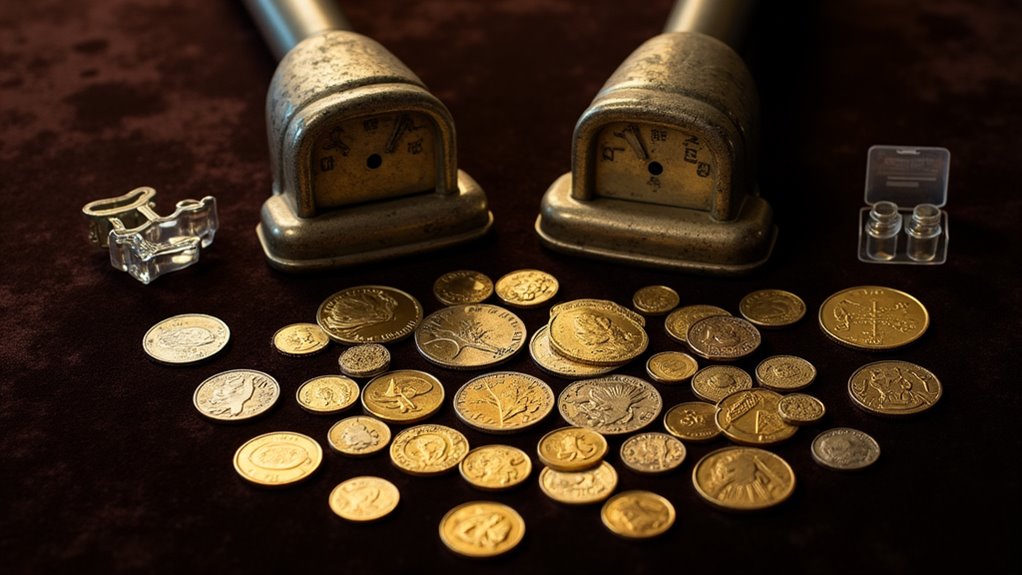
Investment in proper tools and references rounds out the collecting journey. A quality magnifying glass, precise tweezers, and reliable grading guides become indispensable allies. Digital tracking systems help manage growing collections, while professional grading services provide vital authentication for valuable pieces. Additionally, collectors should be aware of common types of fakes that could jeopardize their investments.

Success in Colombian coin collecting requires patience, knowledge, and an eye for authenticity – but the rewards of preserving monetary history make the effort worthwhile.
Frequently Asked Questions
What Is the Most Valuable Colombian Coin Ever Sold?
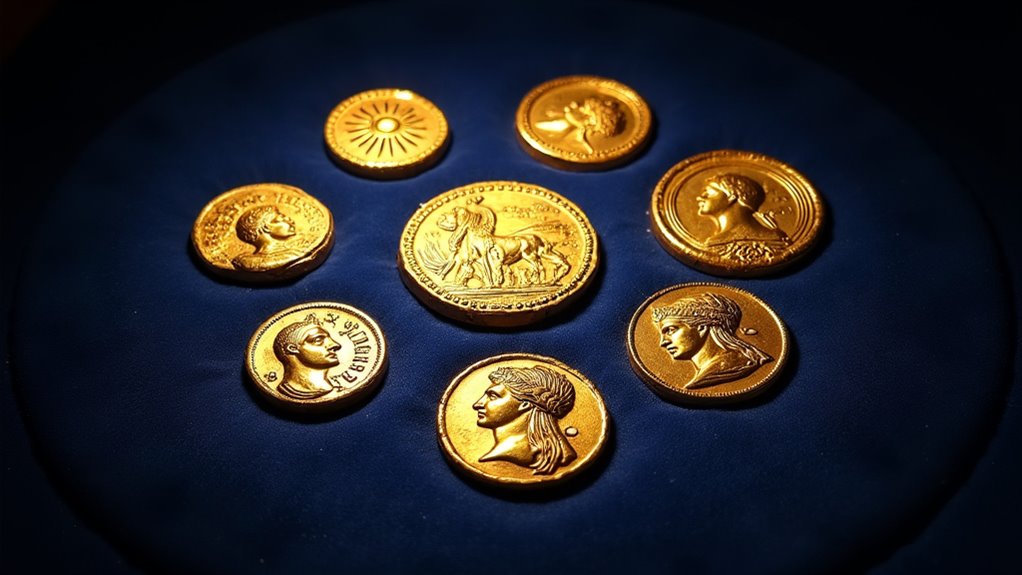
The 1868 Colombian 20 Peso Gold Coin smashed records when it hit the auction block in ’08, snagging an eye-popping $310,500!
Talk about a numismatic knockout. This bad boy’s value skyrocketed thanks to its pristine condition and ultra-rare status – turns out political chaos isn’t great for coin production, who knew?
It’s still sitting pretty as Colombia’s most valuable coin ever sold, making collectors drool worldwide.
*throws mic drop in gold*
How Can I Tell if My Colombian Coins Are Authentic?
Spotting authentic Colombian coins isn’t rocket science, but it requires a sharp eye.
Modern pieces pack some serious security punch – those sneaky micro-engravings and latent images that flip between “MIL” and “BRC” are dead giveaways. Physical specs gotta match official records (weight, size, ya know).
For older coins, it’s all about dat natural wear pattern and precise engraving detail.

When in dout, UV light testing or expert authentication can seal the deal.
Which Colombian Coins Are Currently Banned From Being Exported?
Colombian coins over 100 years old face strict export bans – that’s basically anything pre-1924!
Gold and silver pieces from Spanish colonial times? Totally off-limits.
The biggest restrictions hit coins from Charles III and Ferdinand VII’s reigns, plus those rare 19th century Republic beauties.

Archaeological finds are complete no-go’s.
Pro tip: check with Colombia’s Ministry of Culture before even thinking about taking any old coins outta the country!
Where Can I Find Reputable Coin Dealers in Bogotá?
Bogotá’s legit coin scene centers around the historic Casa de Moneda Museum – a total goldmine for serious collectors.
The Chapinero district‘s packed with specialized dealers who actually know their stuff (unlike those sketchy street vendors!).

Monthly numismatic fairs pop up downtown, attracting Colombia’s top dealers.
Pro tip: stick to established shops with solid reputations, especially those listed in numismatic forums.
The online marketplace MercadoLibre‘s got some trusted sellers too, but buyer beware!
How Should I Store My Colombian Coins in Tropical Climate Conditions?
Storing coins in tropical climates demands serious moisture management.
Collectors should use airtight capsules with silica gel packets to combat humidity’s brutal effects. A dehumidifier in the storage area is absolutely essential (not a luxury!).
Individual storage prevents those nasty contact marks, while inert materials like Mylar shields against chemical reactions.
Cotton gloves? Always.
And for heaven’s sake, keep those beauties in a temperature-controlled room – Colombia’s heat can be merciless on metal!