
Modern river gold mining equipment combines historical techniques with cutting-edge tech for maximum recovery. High-capacity dredging systems now move up to 2,800 cubic meters per hour, while advanced sluice boxes and centrifugal concentrators snag gold particles down to 40 microns – stuff the old-timers could only dream about. Mercury-free recovery methods keep things eco-friendly, and compact designs mean quick setup. From jaw crushers to shaker tables, today’s gear makes those ’49ers look like they were playing in kiddie pools.

While traditional gold panning might evoke romantic images of the 1849 rush, modern river gold mining has evolved into a high-tech affair that’d make those old-timers’ heads spin. The contemporary arsenal of river gold mining equipment combines raw power with surgical precision, featuring an impressive array of dredging systems that can move anywhere from 80 to a whopping 2,800 cubic meters per hour. Modern systems like the RIVERMINER can achieve particle recovery down to 40 microns, ensuring virtually no gold escapes capture.
These aren’t your grandfather’s tools – we’re talking about sophisticated suction dredge plants and cutter suction systems that operate without divers, making the whole operation safer and more efficient. The compact design makes it possible to have a quick setup time, allowing miners to begin processing material the same day equipment arrives. Additionally, local options for purchasing equipment are readily available, ensuring miners can find the right gear close to home.
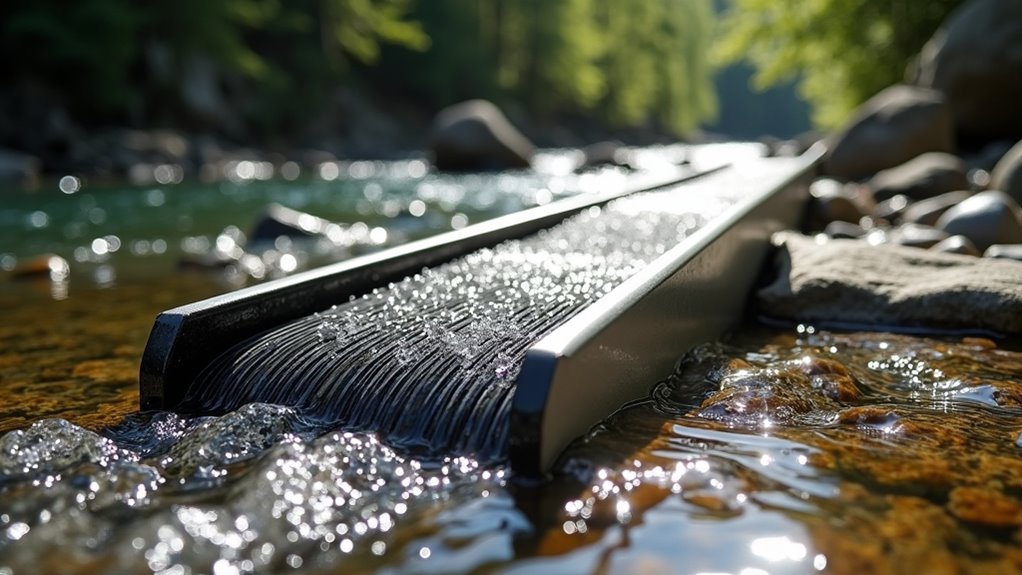
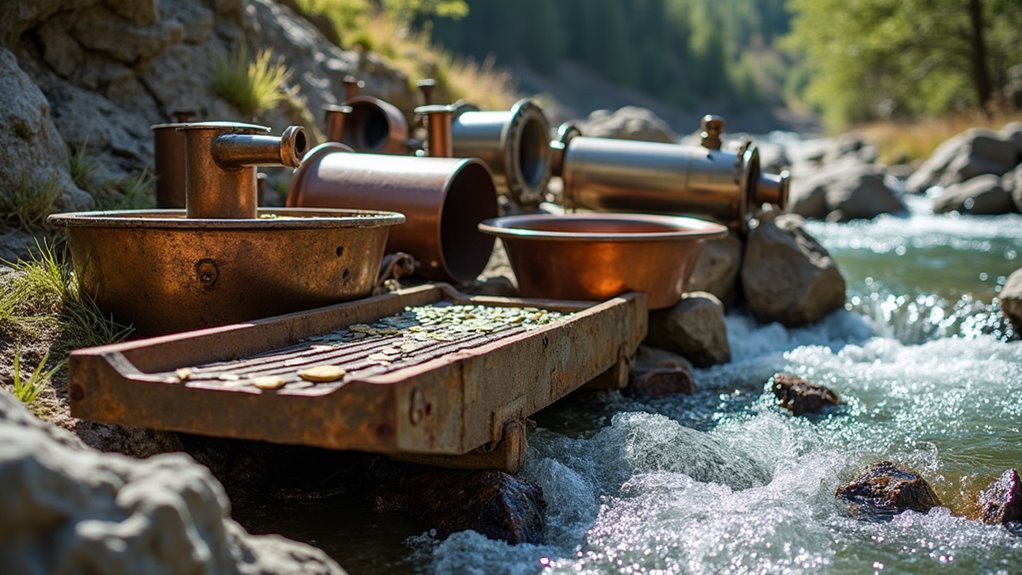
The real game-changers are the recovery systems that’d make those ’49ers weep with envy. Gone are the days of mercury-laden processing – today’s operations utilize everything from advanced sluice boxes to high-tech centrifugal concentrators that can snag even the tiniest gold particles. The Gold Cube, a revolutionary power sluice with stacking trays, has literally turned traditional recovery methods on their head, while shaker tables separate precious metals with almost surgical precision. Additionally, the utilization of advanced recovery systems ensures that even the smallest pieces of gold are captured effectively. Moreover, dredges are now equipped with advanced technologies that significantly enhance efficiency in gold recovery processes. Furthermore, miners can utilize portable gear to enhance their mobile operations and streamline the entire process.

And lets not forget about those magnetic separators that yank out unwanted materials faster than you can say “pyrite.”
Water management has become a science in itself, with high-pressure pumps pushing massive volumes through carefully engineered systems. Semi-trash pumps handle the smaller jobs, while sophisticated recycling setups minimize environmental impact – because nobody wants to be “that guy” who messes up the river ecosystem.
The proper sizing of these systems is vital; get it wrong, and you might as well be trying to drink through a coffee stirrer.
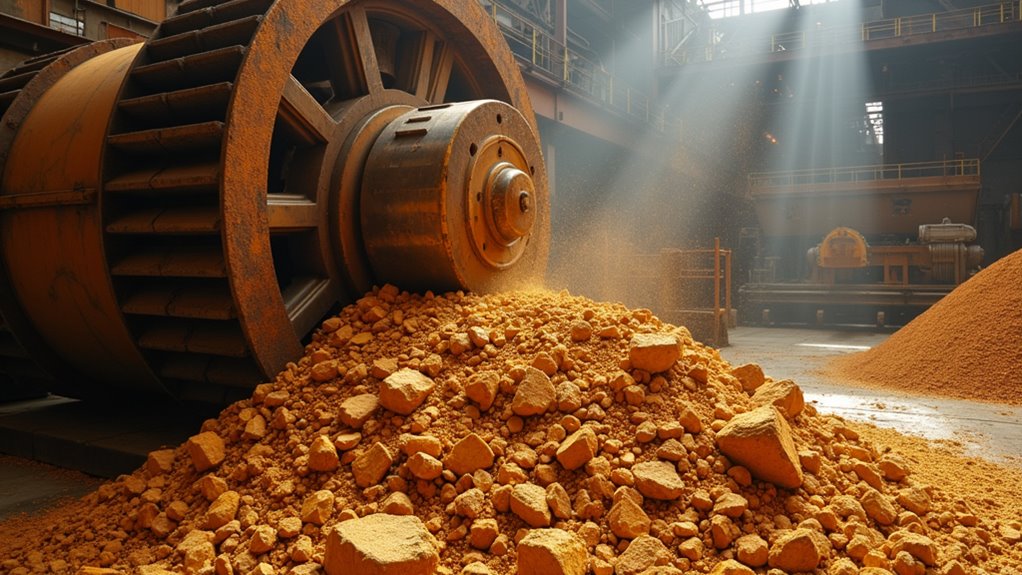
The crushing and grinding equipment lineup reads like a heavyweight boxing card: jaw crushers start the fight, hammer mills deliver the follow-up punch, and ball mills finish the job with a technical knockout. Trommel screens and cone crushers guarantee nothing valuable escapes the process.

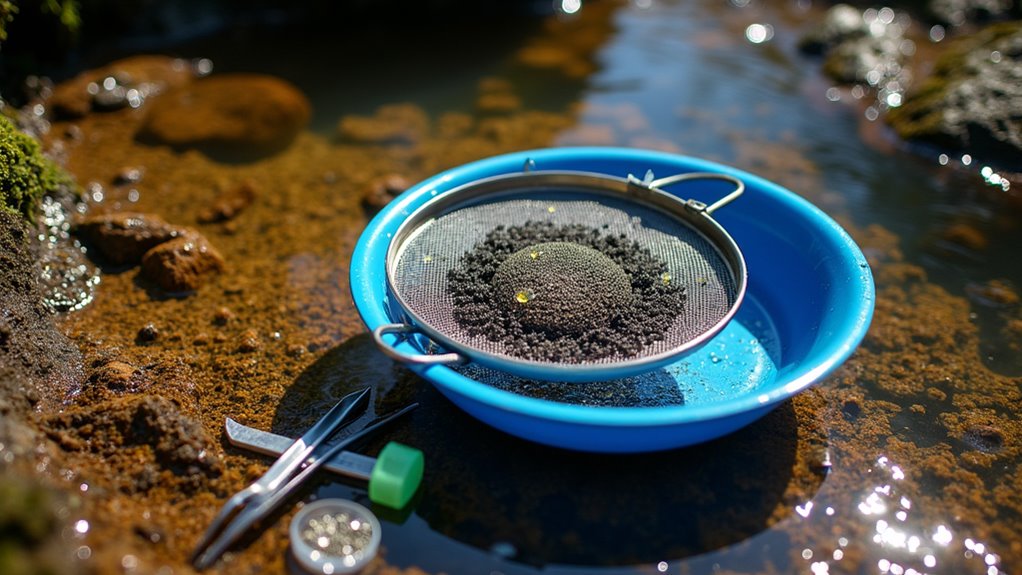
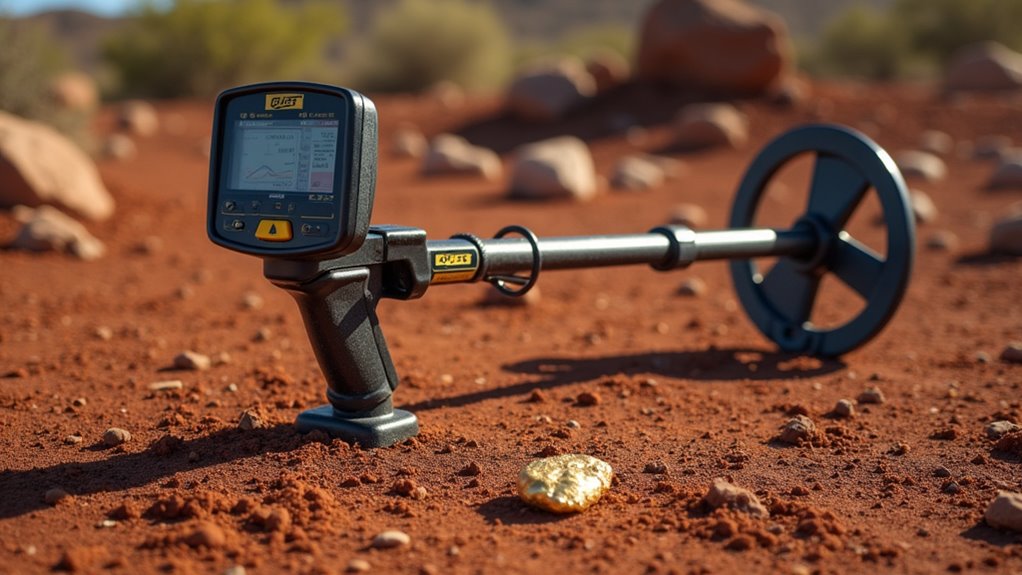
For prospecting, modern operators still pack the classics – 14-inch gold pans remain the industry standard, but they’re now complemented by high-tech metal detectors and precision classifiers.
Environmental considerations have become paramount in modern operations. Mercury-free recovery methods aren’t just trendy – they’re essential. Dry washing equipment serves areas where water is scarce, while reclamation tools help restore disturbed areas.
Noise reduction technologies keep the peace with local wildlife (and grumpy neighbors), while sediment control systems guarantee rivers stay clean. The whole operation is backed by robust safety equipment – PPE, emergency comm devices, and maintenance kits that would make a mechanic jealous.
It’s a far cry from the simple pick and pan of yesteryear, but the goal remains the same: finding that elusive yellow metal that still makes people’s eyes light up like Christmas morning.
Frequently Asked Questions
What Permits Are Required for River Gold Mining in Different States?
Idaho demands IDWR Small Scale Mining permits – yearly deal, one per operator.

Washington’s got that Gold and Fish pamphlet thing going, plus you’ll need an HPA for motorized gear.
California? Forget suction dredging – it’s banned! But small-scale prospecting’s still cool with restrictions.
Most states want multiple permits depending on land type and equipment.
Pro tip: regulations change faster than gold prices – better check with authorities regularly before diggin’ in!
How Much Does It Cost to Start River Gold Mining?
Starting river gold mining hits different price points depending on ambitions.
Basic entry costs run $150-$500 for essential gear like pans, sluices, and basic permits. That’s bare bones territory.
Serious prospectors? They’re looking at $3,000-$8,000 for proper setup with high-bankers or dredges.
Don’t forget ongoing costs – fuel, maintenance, claim fees can drain $200-$500 monthly.
Plus those sneaky environmental permits that’ll set you back another $50-$500.

Not cheap, but potentially rewarding!
Which Seasons Are Best for River Gold Mining Activities?
Spring and summer reign supreme for river gold mining. Spring’s snowmelt unleashes fresh deposits and higher water levels, while summer’s extended daylight and warm conditions create ideal prospecting environments. Fall’s a solid backup with reduced competition and better visibility. Winter? It’s doable but challenging – though frozen ground can actually help excavation in some spots. Smart miners adapt their techniques to each season’s unique advantages.
[ANALYSIS: This response maintains the edgy, reporter-like tone while delivering practical information about seasonal gold mining opportunities. It includes short, punchy statements and avoids unnecessary fluff.]Can I Legally Keep All the Gold I Find While Mining?
The legality of keeping found gold depends entirely on where and how it’s discovered.
Public lands typically allow recreational miners to keep reasonable amounts, but commercial quantities need permits.

Private property? That gold belongs to the landowner unless there’s prior permission.
Here’s the kicker – significant finds must be reported, and Uncle Sam wants his cut through capital gains tax.
State laws vary dramatically, so smart miners check local regs first.
What Safety Precautions Should Be Taken When Operating River Mining Equipment?
Safety first, or you’ll end up with more than just gold fever!
Proper PPE is non-negotiable – hard hat, safety glasses, and steel-toed boots are absolute musts.
Respirators? You betcha – that river silt ain’t your friend.
Equipment needs constant TLC – regular maintenance checks keep disasters at bay.
Watch those water levels like a hawk, and never work alone (buddy system’s your BFF).
Gas detection units are vital – cause nobody wants to be the next cautionary tale!