Numismatics isn’t just some dusty hobby of coin collecting – it’s a thrilling journey through humanity’s economic DNA. This scientific study of currency reveals ancient trade routes, metallurgical breakthroughs, and the fascinating evolution of commerce itself. From rare Greek drachmas to modern bullion, numismatists decode the stories hidden in metal and paper, while savvy collectors ride the waves of a uniquely historical investment market. The deeper you go, the more treasures surface.

Money talks, but ancient coins tell epic stories. Numismatics, derived from Latin “numisma” and Greek “nomisma,” is more than just collecting shiny metal discs – it’s a full-blown scientific pursuit that dives deep into the cultural, economic, and artistic aspects of currency throughout human history. This fascinating field encompasses everything from ancient coins to modern paper money, revealing the intricate dance between commerce and civilization.
The significance of numismatics goes way beyond mere coin collecting (oops, *beyond). These tiny metal time capsules provide incredible insights into how societies functioned, traded, and evolved. When numismatists examine a coin, they’re not just looking at its monetary value – they’re analyzing metallurgical composition, studying artistic elements, and decoding historical context that might otherwise be lost to time. Understanding mint marks can significantly enhance a numismatist’s ability to trace a coin’s origin and history. Additionally, many coin shops across the USA offer expert advice and resources to help collectors deepen their knowledge.
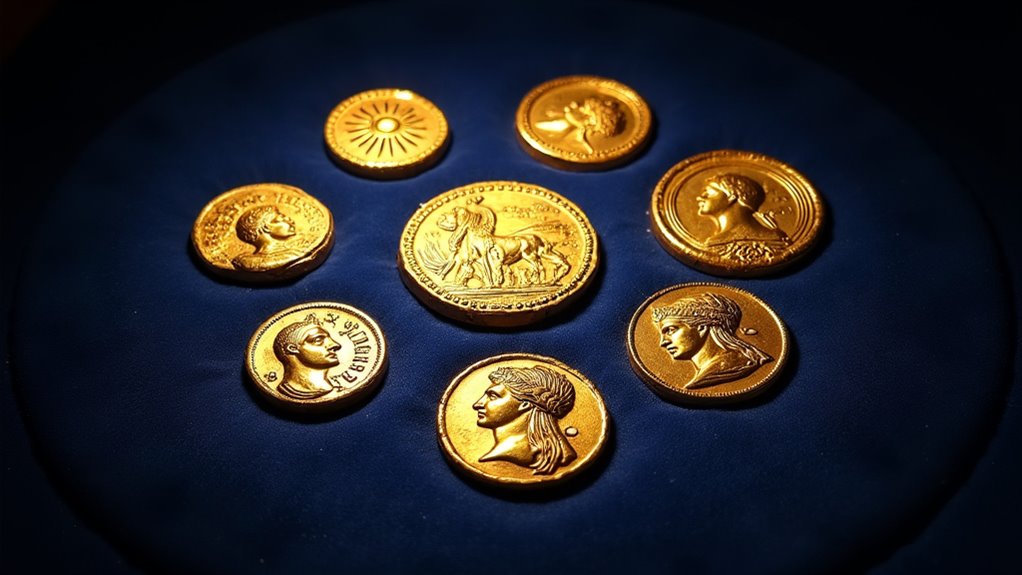
The scientific contributions of numismatics are seriously mind-blowing! Through the study of ancient coins, researchers have made major breakthroughs in understanding metallurgy techniques used thousands of years ago. Modern technology, like radiocarbon dating and material analysis, helps authenticate artifacts and expose forgeries. These studies even help map ancient trade routes by tracing the origin of metals used in coin production. The evolution of gold coinage throughout history highlights the significance of these artifacts in understanding economic systems.

For investors and collectors, numismatics represents a unique intersection of passion and profit. Rare coins often maintain or increase their value over time, thanks to their scarcity, condition, and historical significance. The precious metal content adds intrinsic value, making numismatic items an intriguing option for portfolio diversification – though lets be real, no investment is without risk!
The numismatic community is a vibrant ecosystem of history buffs, academic researchers, and passionate collectors. Coin shows and auctions serve as bustling marketplaces where knowledge and artifacts change hands. National and international organizations support ongoing research, while online platforms connect enthusiasts across the globe, creating a worldwide network of currency connoisseurs.
Looking toward the future, numismatics continues to evolve with technology while maintaining its vital role in preserving monetary history. Digital platforms have made numismatic resources more accessible than ever, allowing anyone with an internet connection to explore this fascinating field. Museums and mints worldwide celebrate the artistry and craftsmanship of currency production, ensuring that future generations can appreciate the rich history of money.
The educational impact of numismatics can’t be overstated (we meant “can’t” – stupid apostrophe!). It provides a tangible way to study economics, art, and history simultaneously. By examining currency through the ages, we gain a deeper understanding of human civilization and our complex relationship with money.

As we hurtle toward an increasingly digital future, the physical artifacts preserved through numismatics become even more valuable as windows into our shared past.
Frequently Asked Questions
How Do I Properly Clean and Maintain My Rare Coin Collection?
Cleaning rare coins is a delicate art that can make collectors cringe – because one wrong move could tank their value!
The golden rule? Don’t clean unless absolutely necessary.
When handling these precious pieces, cotton gloves are a collector’s BFF, while proper storage in PVC-free holders keeps coins pristine.
Regular inspections help catch issues early, but leave serious cleaning to the pros.
And please, no eating pizza while examining that 1804 silver dollar!
Which Coin Grading Services Are Most Trusted by Professional Numismatists?
PCGS and NGC reign supreme as the industry’s most trusted grading powerhouses – that’s just facts.
These heavyweights have spent decades building rock-solid reputations through consistency and expertise.

While ANACS holds historical cred as the OG grader, it’s seen as more of a budget-friendly alternative.
CAC adds another layer of trust by cherry-picking the cream of NGC/PCGS-graded coins, but it’s not a primary grader – more like the industry’s quality seal of approval.
What Tools Do I Need to Start Examining and Collecting Coins?
Basic coin collecting requires a solid 5x-10x magnifying glass – that’s non-negotiable.
Smart collectors also grab acid-free storage supplies like flips and albums (coins hate fingerprints!).

Add cotton gloves, a soft brush for careful cleaning, and accurate scales to catch counterfeits.
Advanced collectors might splurge on LED-lit microscopes or metal testing kits, but newbies can start small.
Just remember – proper tools protect your investment from rookie mistakes!
How Can I Tell if an Ancient Coin Is Authentic?
Authenticating ancient coins requires serious detective work.

Experts analyze physical traits like weight, diameter, and metal composition using precision scales and XRF spectroscopy.
They’ll scrutinize artistic details – those tiny engravings and symbols gotta match historical records perfectly.
UV light reveals fake patinas, while microscopes expose modern tooling marks.
But here’s the real deal: get a pro numismatist involved, cause these ancient beauties are trickier than a shell game.
Where Are the Best Places to Buy Legitimate Rare Coins?
Legit rare coins are best sourced through multiple established channels.
Physical coin shops offer hands-on inspection and dealer relationships, while reputable online dealers like LCR Coin provide certified graded pieces.
Major auction houses (Stack’s Bowers, anyone?) deliver high-end authenticity.
For the brave, e-commerce platforms offer variety – but buyer beware!
Pro tip: stick to PNG-member dealers and always demand proper certification.
The market’s wild, but these sources keep it real.