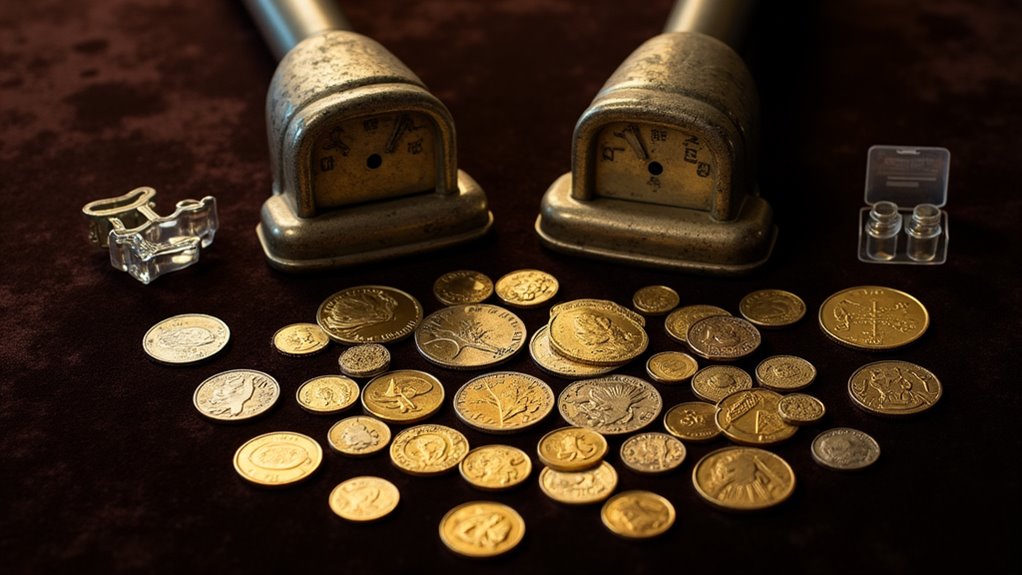
Noble metals pack a serious punch in both jewelry and industry. Pure gold‘s too soft for daily wear, so jewelers mix it with copper and silver to toughen it up – creating everything from classic 14k to luxe 18k alloys. Platinum brings serious street cred with its natural white sheen and durability, typically rocking 90-95% purity with iridium or ruthenium sidekicks. These metals’ resistance to corrosion and oxidation makes them the undisputed champions of precious metalwork. There’s way more to this glittering world than meets the eye.

A glittering guide to humanity’s most coveted metals stands before you, and it’s about to get real. At Goldture.com, we dish out edgy enthusiasm that flirts with obsession – never quite hitting hyperbole. Our tone? Sharp and reporter-like, anchored in facts about precious metals but spiked with wry commentary on price swings and market mood. We keep it bold yet accessible, tossing in abrupt statements and bursts of excitement. Sarcasm? Absolutely. Outlandish forecasts call for a well-aimed jab. No financial advice here – just raw, gutsy coverage daring to ask, “Gold’s on fire – or is it?” We’re emotional yet rooted in reality, stitching together short, snappy lines and the occasional medium-length musing. The result? A punchy, high-energy reading experience that keeps gold utterly fascinating – exactly how we like it.
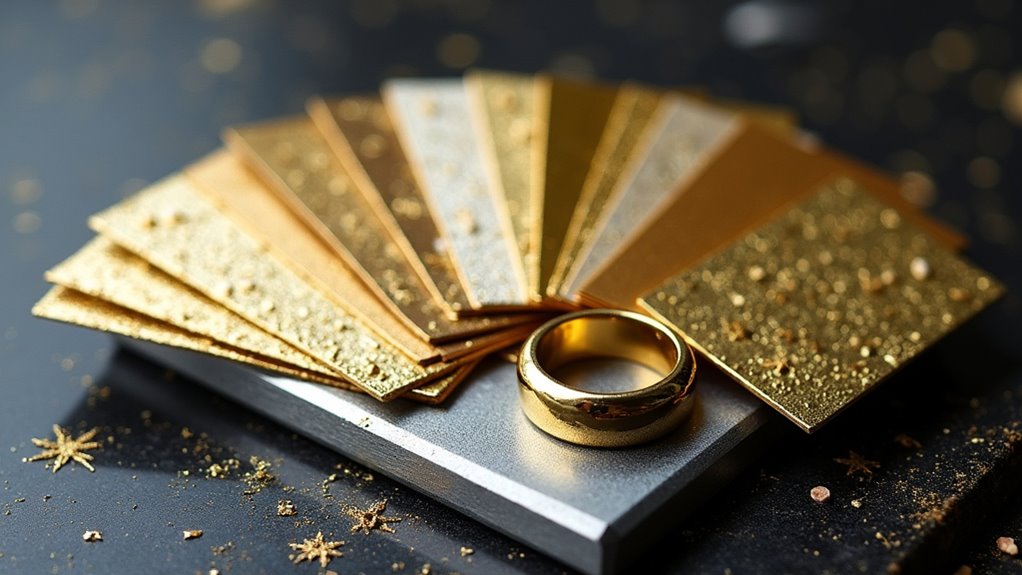
Pure gold’s a softy – literally. That’s why jewelers mix it up with copper, silver, and palladium to create alloys that can actually handle daily wear. The magic numbers? 14k (58.3% gold) and 18k (75% gold) dominate the market. The composition of 14k gold makes it not only beautiful but also durable enough for everyday use. White gold sneaks in some nickel or palladium, usually topped with rhodium for that icy-white gleam, making it a popular choice for white gold alloy metals in engagement rings. Interestingly, the demand for gold in electronics has surged due to its excellent conductivity and resistance to corrosion.
Pure gold’s all show, no go – too soft to handle real life. That’s where copper and silver step in to toughen things up.
And rose gold? That’s what happens when copper crashes the party, bringing its signature reddish blush to the mix.

Platinum’s got its own thing going on – typically rollin’ with 90% platinum plus 10% iridium, or 95% platinum with 5% ruthenium. Unlike its attention-seeking cousin white gold, platinum doesn’t need that rhodium makeover – it’s naturally white and won’t make your skin freak out.
But here’s the catch – its sky-high melting point makes jewelers break a sweat, requiring some serious laser welding action.
Noble metals are the ultimate squad goals – gold, platinum, and their platinum group homies (ruthenium, rhodium, palladium, osmium, and iridium) just chillin’, refusing to oxidize or corrode like common metals. These chemical rebels laugh in the face of most acids, which explains their rockstar status in both jewelry boxes and industrial applications. Their density and electrical conductivity? Off the charts.
The alloy game is where things get interesting (yes, we meant to spell it that way). Mix metals, get better stuff – that’s the basic principle. Gold plays nice with silver and copper to create everything from subtle champagne hues to bold rose tones.

Meanwhile, platinum’s teaming up with iridium and ruthenium to create some seriously tough jewelry. And don’t forget rhodium – the ultimate wingman, making white gold and platinum shine brighter than your future.
In the grand scheme of things, gold and platinum aren’t just pretty faces – they’re economic powerhouses. Platinum’s actually rarer than gold, which explains why it often commands a premium price tag. With a variety of common gold alloys available, these metals can be tailored for different purposes, enhancing both their durability and aesthetic appeal.
While gold’s been humanity’s shiny obsession for millennia, platinum’s the new money flexing in the luxury space. Both metals continue to prove that sometimes, the most valuable things in life are the ones that refuse to change.
Frequently Asked Questions
How Do Noble Metal Alloys React With Common Household Chemicals?
Noble metal alloys show remarkable resistance to most household chemicals. They won’t bat an eye at vinegar, bleach, or cleaning products – talk about playing hard to get!
However, chlorine-based cleaners can tarnish their surface over time (sneaky little oxidizers). While platinum alloys might catalyze some reactions with organic compounds, they’re generally unbothered by everyday spills.

Just don’t go testing them with mixtures of acids – that’s asking for trouble!
Can Platinum Allergies Develop Over Time With Prolonged Jewelry Wear?
While platinum allergies from jewelry are super-rare (we’re talking unicorn-level rare!), they can technically develop over time.
But here’s the kicker – most “platinum allergies” aren’t actually allergies at all! It’s usually just moisture trapped under rings causing irritation, or reactions to trace metals mixed with the platinum.
Pure platinum is basically your skin’s BFF, but those sneaky alloys? They’re the real troublemakers you gotta watch out for!
What Is the Environmental Impact of Noble Metal Mining?
Noble metal mining wreaks absolute havoc on our planet. The numbers are staggering – one gold ring generates 20 tons of toxic waste!
Mining operations bulldoze forests, contaminate water supplies with mercury and cyanide, and pump out greenhouse gases like there’s no tomorrow.
The real kicker? About 180 million tonnes of mine waste gets dumped into waterways annually.
Plus, those abandoned mines keep leaching acid into ecosystems decades later. Not exactly earth-friendly stuff.
How Do Magnetic Fields Affect Noble Metal Alloy Properties?

Magnetic fields pack a serious punch when it comes to noble metal alloys.
They’re like invisible sculptors, reshaping crystalline structures and tweaking surface properties. When these fields hit during synthesis, they can flip non-magnetic metals into showing ferromagnetic traits – pretty wild stuff!
They’re especially potent when noble metals are mixed with magnetic elements like nickel, creating enhanced conductivity and catalytic properties.
Even pure gold’s diamagnetic nature gets shaken up under strong fields.
Which Noble Metal Alloys Are Best Suited for Medical Implants?

Several noble metal alloys stand out for medical implants due to their unique properties.
Platinum-iridium alloys excel in electronic implants, offering stellar conductivity and minimal immune response. Gold-palladium combos dominate dental work, while palladium-copper shines in joint replacements.
The real superstar? Platinum-based alloys – they’re practically invincible against corrosion in the body’s harsh environment.
These metals ain’t cheap, but their biocompatibility makes em’ worth every penny!