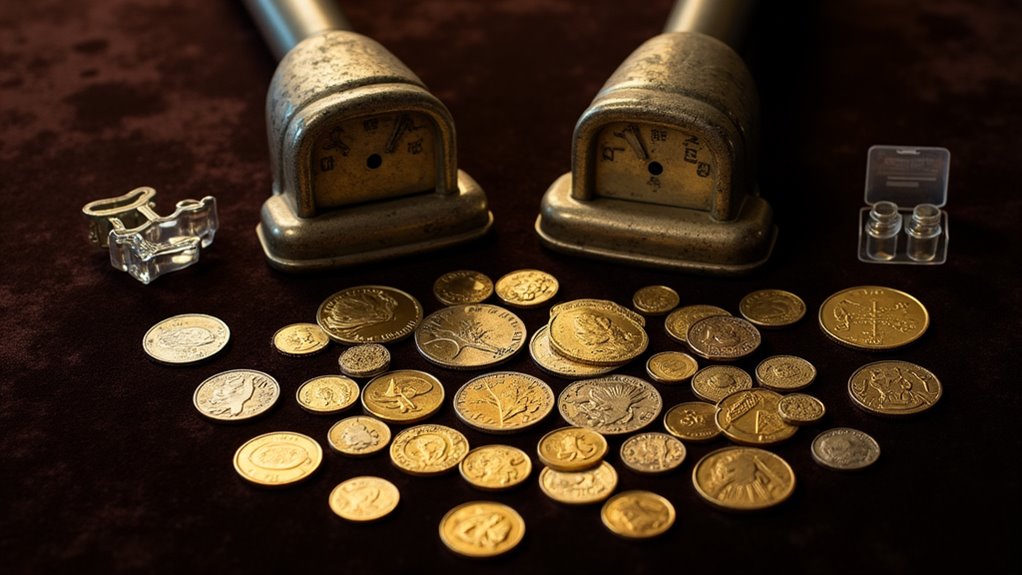
Semi-numismatic coins pack a one-two punch: precious metal value plus serious collector appeal. These limited-mintage beauties sport fancy designs and government backing, commanding premiums anywhere from 10% to 200% above melt value. Think special American Eagles or those oddly fascinating Chinese Pandas – they’re not your average bullion play. The market’s a bit soap opera-ish, with dramatic price swings based on collector demand and mintage numbers. This rabbit hole goes way deeper than mere metal content.
While many investors flock to traditional bullion, semi-numismatic coins occupy that sweet spot where precious metal meets collector appeal – and boy, do they pack a punch. These fascinating pieces blend the security of precious metals with the thrill of collectibility, offering investors a unique opportunity to diversify their portfolios while indulging their inner numismatist. Semi numismatic silver coins have increasingly gained popularity among both collectors and investors alike.
Semi-numismatic coins stand apart from their purely bullion or numismatic cousins, thanks to their limited mintages and official government backing. Unlike mass-produced bullion coins that flood the market, these beauties are deliberately scarce. They’re basically the cool kids of the coin world – sporting fancy designs, commemorating significant events, and often showing up in swanky packaging that makes regular bullion look downright boring. Many of the best gold coins to invest in today are semi-numismatic due to their limited mintages. Additionally, these coins often reflect the rich history of gold coinage that has influenced various cultures over time.
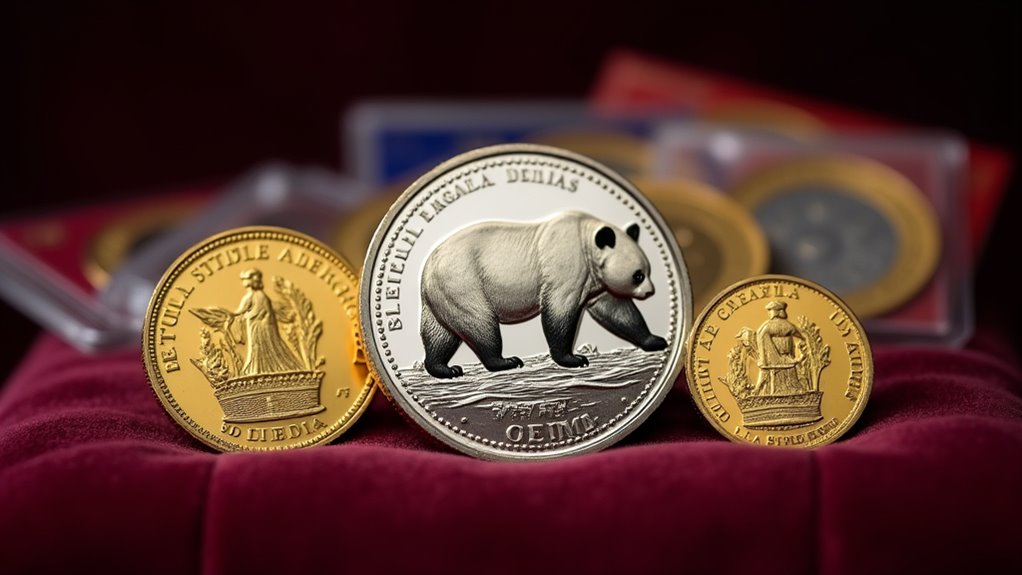
The premiums on these bad boys can range from a modest 10% to a whopping 200% above their melt value. But here’s the kicker – these aren’t your grandpa’s dusty old coins hiding in some forgotten drawer. Modern semi-numismatics, like special edition American Eagles or those adorable Chinese Pandas, pack serious investment potential while maintaining their collectible street cred.

What really sets these coins apart is their dual-threat nature. They ride the waves of precious metal prices while potentially gaining additional value through their collectible appeal. Think Victorian sovereigns – they’re not just chunks of gold anymore; they’re pieces of history that command serious premiums.
And don’t even get us started on those pristine proof coins with their mirror-like finishes that make regular coins look like they’ve been through a washing machine.
The market dynamics for semi-numismatics are fascinatingly complex. Unlike standard bullion that basically follows spot prices like a lost puppy, these coins dance to their own tune. Their value fluctuates based on collector demand, mintage numbers, and sometimes just plain old hype. It’s like watching a metal-based soap opera, complete with dramatic price swings and unexpected plot twists.
But let’s get real – investing in semi-numismatics isn’t all sunshine and rainbows. You need to know your stuff, because these coins require specific buyer demand to maintain those juicy premiums. They’re less volatile than pure bullion plays, sure, but timing the market can be trickier than explaining cryptocurrency to your grandmother.

Smart investors do their homework, studying mintage numbers and market trends before diving in. Additionally, understanding numismatic tokens can enhance your appreciation for the broader spectrum of collectible coins.
Whether it’s commemorative coins celebrating major events or special proof editions that make regular strikes look pedestrian, semi-numismatic coins offer a unique blend of investment potential and collecting satisfaction. Just remember – while they might look pretty sitting in their fancy display cases, these coins are serious business in the precious metals world.
Frequently Asked Questions
How Long Should I Hold Semi-Numismatic Coins Before Selling Them?
Semi-numismatic coins typically hit their sweet spot between 5-10 years after purchase.
It’s a wild ride – these babies need time to build collector appeal but waiting too long can be risky business.
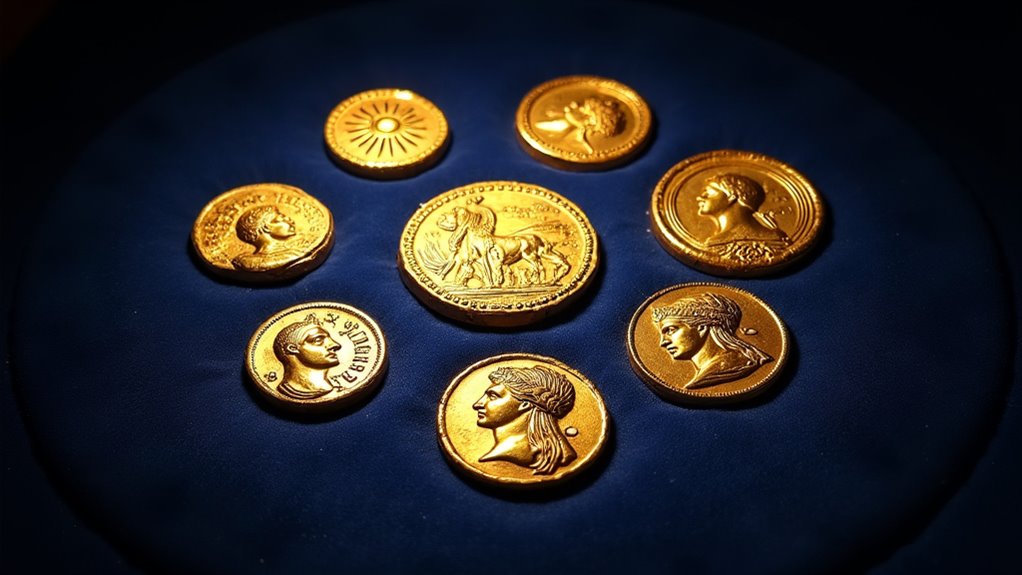
Market pros watch for premium spikes, especially during economic uncertainty or when specific themes get hot.
Smart money keeps an eye on metal prices too, since they’re basically driving the party bus.
The key? Don’t get greedy waiting for the “perfect” moment.
What Cleaning Methods Are Safe for Semi-Numismatic Coins?
Safe cleaning methods for semi-numismatic coins are surprisingly limited.

Distilled water rinses work best – tap water’s a no-go due to minerals. For stubborn grime, a quick 10-minute soak in mild dish soap solution followed by gentle brushing with a soft toothbrush does the trick.
But here’s the kicker – avoid those tempting silver dips and harsh chemicals like the plague! They’ll strip that precious patina faster than a market crash.
Are Semi-Numismatic Coins a Good Hedge Against Inflation?
Semi-numismatic coins pack a double punch against inflation through their precious metal content and collector value.
These glittery warriors have historically held strong when paper money takes a nosedive. Their limited mintages and growing collector demand can drive premiums higher during economic uncertainty – sometimes outpacing inflation itself.

Yet, like any investment, timing matters. The blend of bullion and numismatic appeal creates a unique inflation-fighting combo that’s caught many investor’s attention.
Which Dealers Are Most Reliable for Buying Semi-Numismatic Coins?
When it comes to semi-numismatic dealers, Bullion Shark and Paradime Coins stand out as top-tier choices – both boasting those essential PCGS, NGC, and CAC certifications.
CMI Gold & Silver’s no-nonsense approach and market insight make them a solid bet too.
For the real deal experience, Sarasota Rare Coin Gallery’s expertise in both U.S. and world coins is hard to beat.

Pro tip: stick with dealers offering transparent pricing and legit return policies.
Can Semi-Numismatic Coins Be Included in an IRA Account?
Semi-numismatic coins typically don’t make the cut for IRA accounts.
The IRS has strict standards – precious metals must meet specific fineness requirements (.995 for gold, .999 for silver).
Most semi-numismatics fall short of these specs.
While some dealers might push these coins for self-directed IRAs, it’s a risky move that could spell trouble.
The market’s pretty clear on this – stick to IRS-approved bullion and coins for retirement accounts.
No wiggle room here!