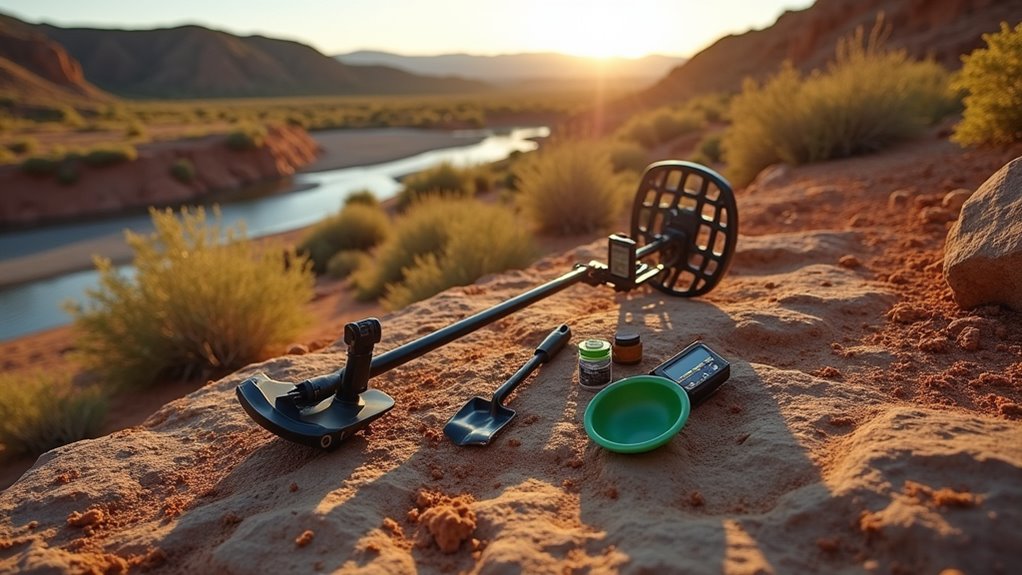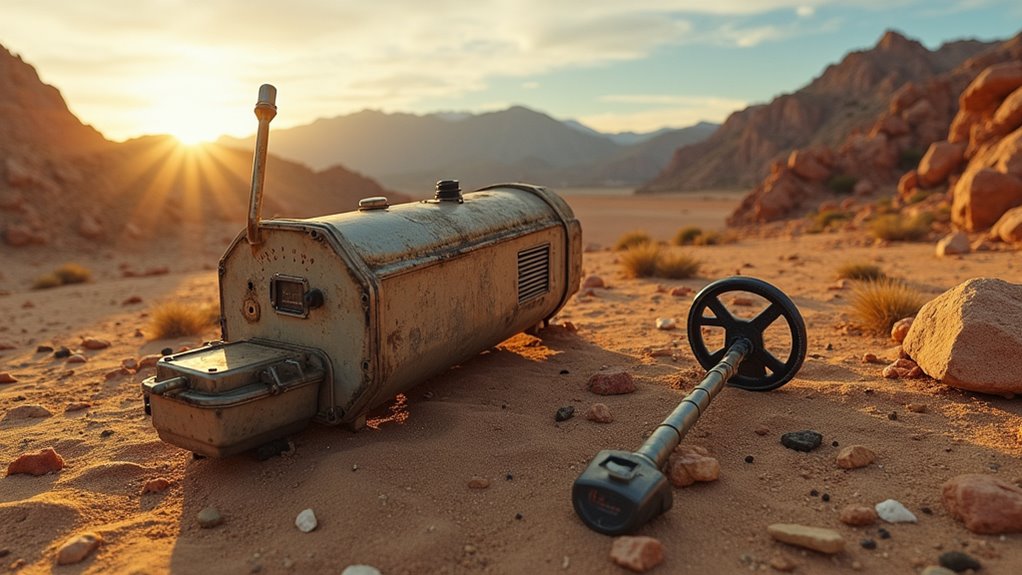
Modern river gold mining equipment delivers serious firepower, with floating plants processing up to 1000m³ of slurry per hour. The RIVERMINER system combines dredging and washing in one sleek unit, while DESERTMINER handles those pesky water-scarce operations. Advanced separation tech uses precision vibration and inclined planes to snag everything from micro-flakes to chunky nuggets. With 93 models ranging from 3 to 6000 TPH, there’s plenty more gold-grabbing innovation to explore.

The glitter of river gold has miners reaching for increasingly sophisticated equipment solutions. Modern river mining operations demand cutting-edge technology that maximizes recovery while minimizing environmental impact. The RIVERMINER system stands out as a game-changer, combining dredging and washing capabilities into a single floating unit that processes up to 1000 cubic meters of slurry per hour – pretty darn impressive for a mobile setup. This innovation in equipment design mirrors the advancements in mining techniques that have transformed the industry. Additionally, the push for sustainable mining practices has prompted the adoption of greener technologies in equipment design, making it important for miners to stay informed about the latest equipment advancements. Furthermore, the growth of foreign investment in Africa’s gold mining sector has stimulated the development of new technologies and systems.
River gold mining evolves with advanced tech like RIVERMINER, merging efficiency and eco-consciousness in a powerful floating powerhouse.
Gone are the days of rudimentary gold panning by hand. Today’s separation machines utilize precision-engineered vibration technology and inclined planes to extract precious metals with almost surgical accuracy. These systems, which some operators affectionately call their “money makers,” have revolutionized the recovery process for everything from gold flakes to chunky gemstones. Our specialized team expertise ensures optimal equipment selection and setup for each unique mining operation.
For operations in water-scarce regions, the DESERTMINER series has become the go-to solution. With eight distinct models handling both alluvial and hard rock deposits, these dry processing units prove that you don’t need a river to mine river gold deposits. The systems deliver remarkable efficiency, though some miners joke that they’re still waiting for the model that turns sand into pure gold bars.

Floating plants have become the darlings of large-scale river mining operations. These behemoths process up to 1000 cubic meters of slurry hourly, with recovery rates that would make old-time prospectors weep with joy. They’re equipped with anti-theft systems so sophisticated, some operators claim even their own mothers couldn’t sneak a nugget out – though we haven’t tested that theory.
The EXPLORER, SUPERMINER, and MEGAMINER wash plants form the backbone of many modern operations. With a combined 93 models offering capacities from 3 to 6000 TPH, there’s literally a plant for every possible scenario – except maybe processing gold-plated smartphones. These units handle everything from sticky laterite to stubborn clay with the kind of efficiency that keeps accountants happy and engineers ecstatic.
Bucket chain dredgers continue to prove their worth in shallow water operations, scooping up riverbed material like hungry mechanical pelicans. Their three-stage recovery process achieves up to 90% recovery rates, though some operators insist the remaining 10% keeps them awake at night.
These workhorses of the industry combine well with sustainable mining practices, which have become increasingly vital for maintaining public support and regulatory compliance. The implementation of sustainable mining practices isn’t just good PR – it’s essential for long-term operations. Modern facilities incorporate sophisticated information management systems and infrastructure designed for both efficiency and environmental protection.

While some old-timers might grumble about “going green,” the reality is that sustainable practices and cutting-edge equipment go hand in hand in today’s river gold mining landscape.
Frequently Asked Questions
What Certifications Should I Look for When Buying River Gold Mining Equipment?
For serious gold river mining ops, MSHA certification is non-negotiable – it’s literally the law for U.S. mining equipment.
ISO certs (especially 9001) show the manufacturer isn’t cutting corners.
CE marking’s essential if you’re eyeing European-made gear.

But here’s the kicker – Fairmined certification isn’t just feel-good fluff, it’s becoming a game-changer for responsible mining.
Smart buyers check for at least MSHA + ISO combo.
No excuses on safety standards!
How Often Should Professional Maintenance Be Performed on River Mining Machinery?
Professional maintenance for river mining equipment requires a multi-tiered schedule.
Daily inspections are essential before operation, while weekly checks focus on vital components.
Monthly servicing keeps everything humming, and quarterly maintenance tackles major repairs.
Annual overhauls are non-negotiable – they’re essential for longevity.
Pro tip: harsh river conditions mean equipment might need more frequent servicing than manufacturer specs suggest.
Watch those bearings n’ seals – they’re usually first to go!
What Is the Typical Lifespan of River Gold Mining Equipment?

River gold mining equipment typically lasts 5-30 years, depending on maintenance and operating conditions.
Heavy-duty dredges and processing plants can hit the three-decade mark when properly maintained, while smaller equipment might need replacement sooner.
Harsh environments with abrasive materials definitely impact longevity.
With regular upkeep and rebuilds, most operators squeeze 15-20 solid years from their machinery – not bad for equipment that battles water, sand, and rocks daily!
Can River Gold Mining Equipment Be Rented Instead of Purchased?

Absolutely – renting gold mining equipment is a savvy move for both newbies and seasoned prospectors!
From basic gold pans ($2.50/day) to heavy-duty high-bankers ($40/day), rental options abound. Most outfitters require refundable deposits ($9-$150) to cover potential damage.
Bonus: renters can test-drive equipment before committing to purchases. Daily and weekly rental periods are typical, though local regulations might restrict certain gear.
It’s the perfect way to dip your toes into prospecting without breaking the bank!
What Power Sources Are Most Efficient for River Gold Mining Operations?
For river gold mining, hybrid power systems reign supreme by combining solar panels with small hydroelectric setups from the river itself.
These systems slash fuel costs while keeping operations humming 24/7. Portable solar units can power smaller equipment, while micro-hydro generators harness the river’s flow for heavier machinery.
When the sun’s hiding, battery storage systems kick in – it’s like having nature’s backup generator! Some operators even add wind turbines for extra juice.