Selecting the perfect mobile gold trommel ain’t rocket science – but it sure demands attention to detail. Processing capacity ranks supreme, with small operators typically needing 30-200 yards per hour. Power source matters too; diesel units crush it for remote locations, while electric models work great near power sources. Recovery rates vary wildly (50-90%), depending on mesh size and processing speed. Smart operators weigh mobility options against their terrain demands. The real gold lies in understanding how these factors mesh together.

When it comes to mobile gold trommels, size definitely ain’t everything – but it’s a damn good place to start. With processing capacities ranging from a modest 1 ton to a whopping 200 tons per hour, finding the sweet spot between efficiency and practicality is essential. Small-scale operators might fancy those nimble 30-200 yards per hour units, while the big boys play with machines that chew through thousands of yards like it’s breakfast. Today’s market offers everything from basic models to HDPE trough units stretching up to 12 feet in length. The machine’s strong integrity design ensures reliable performance even under demanding conditions. Additionally, advanced technology has helped enhance the efficiency of these machines over the years, leading to improved recovery rates in alluvial mining. Furthermore, innovations like automation technologies are poised to further increase productivity and reduce operational costs. Dredging equipment is often utilized to maximize the efficiency of these operations, and it can significantly contribute to the material handling process.
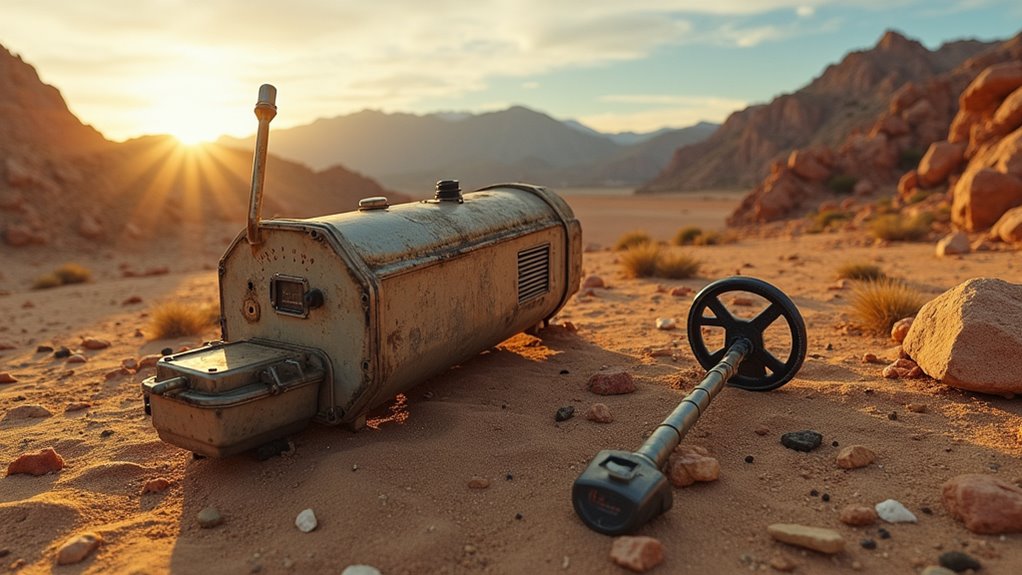
Let’s get real about mobility – because what good is a trommel if you can’t get it where you need it? The market’s serving up everything from wheeled beauties that’ll follow your ATV through rough terrain to those hefty skid-mounted units that prefer to stay put. Some savvy operators are even going full aquatic with floating trommels, proving that innovation in this industry ain’t dead yet.
Mobile trommels come in all flavors – from ATV-trailing champs to hefty skid-mounts, and even floating beasts for those thinking outside the dirt.
The recovery game is where things get interesting (and potentially profitable). We’re talking 50-90% recovery rates, depending on how you play your cards. Those fine 1mm mesh screens might catch more gold than their 5mm cousins, but they’ll also slow you down faster than a bureaucrat on coffee break. Multiple screening stages? Now you’re thinking like a pro.

Power options are like picking your poison – gas, diesel, or electric, each with their own quirks and perks. Diesel’s your friend in those remote spots where gasoline’s rarer than common sense in a bull market. Electric motors with rubber wheel drives offer smooth operation, but they’ll need juice, and we’re talking serious power requirements here – 11 to 150 kW ain’t no joke.
The real magic happens when you start pimping your ride with accessories. Sluice boxes, centrifugal concentrators, shaker tables – it’s like a gold recovery party and everyone’s invited. Add some vibrating grizzly bars for initial separation, and you’ve got yourself a setup that’d make old-timers weep with envy.
Here’s the kicker about longevity – treat these machines right, and they’ll stick around longer than your ex’s memory. We’re talking decade-plus lifespans with proper maintenance, but that’s assuming you don’t treat it like a rental car. The build material matters more than your investment portfolio’s diversity, and the operating environment can make or break your equipment faster than a market crash.
Smart operators know it’s all about finding that sweet spot between capacity, mobility, and maintainability. Whether you’re running a small-scale operation or gunning for commercial volumes, the perfect mobile trommel is out there – just waiting to separate you from your money and, hopefully, lots of gold from lots of dirt.
Frequently Asked Questions
What Maintenance Schedule Should I Follow for My Mobile Gold Trommel?
Regular maintenance keeps that trommel spinning gold!
Daily checks are essential – inspect screens, fluid levels, and clear those pesky spray nozzles.

Weekly tasks include greasing bearings, checking belt tension, and drive system inspections.
Monthly’s when you tackle the big stuff – descaling pipes, frame checks, and structural assessments.
Don’t forget those long-term items like screen rotations (500-1000 hrs) and annual nozzle replacements.
A well-maintained trommel is a profitable trommel!
Can I Use a Mobile Trommel During Winter or Freezing Conditions?

Mobile trommels can operate in winter, but it’s no walk in the park. Cold-weather mining demands serious winterization – think antifreeze systems, insulated components, and heating elements.
Smart operators enclose their equipment and pre-heat before firing up. The real kicker? You’ll need modified schedules to prevent freeze-ups, plus warm water processing to keep things flowing.
It’s doable, but expensive and requires constant vigilance against the cold’s brutal effects.
How Much Water Pressure Is Needed to Operate Efficiently?
Ideal water pressure for trommels typically ranges from 0.4-0.5 MPa (58-72.5 PSI), but here’s the kicker – it ain’t that simple!
Larger operations need serious juice, like the ST70 demanding 500-800 GPM at 40-60 PSI.
Clay-heavy material? Crank it up! The sweet spot depends on your feed material, trommel size, and setup.
Pro tip: shorter hoses maintain better pressure, while longer runs need compensation.
Yeah, we said compensation – deal with it!
What Permits Are Required for Operating a Mobile Gold Trommel?
Operating a mobile gold trommel typically requires a small-scale mining permit – no escaping that bureaucratic fun!
Most states demand permits for powered equipment, with requirements varying by location. You’ll need to specify site details, equipment specs, and operating plans.

Essential Salmon Habitat zones get extra picky about permits. Watch those nozzle size limits (usually 5-6 inches) and engine restrictions (15-18 hp).
And don’t forget landowner permission if you’re on private turf!
How Do I Transport My Mobile Trommel Between Different Mining Locations?
Transporting a mobile trommel ain’t for the faint-hearted!
First, strip that bad boy down – remove detachable parts and drain those tanks.

Choose between flatbed trucks or lowboy trailers based on your trommel’s size and weight.
Secure everything with heavy-duty straps rated for the load (don’t cheap out here!).
Got permits? You’ll need’em for oversized loads.
Use escort vehicles when required, and always plan routes avoiding low bridges n’ tight spots.