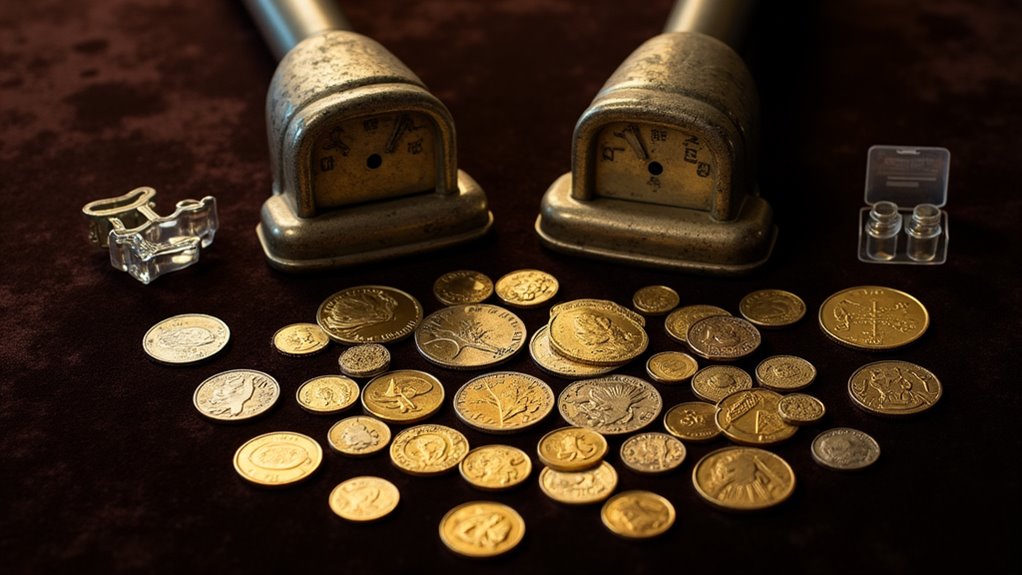
Dental practices are sitting on literal goldmines of precious metals hidden in crowns, bridges, and PFM restorations. The recycling process is surprisingly methodical – specialized containers collect discarded equipment before certified refiners work their magic through chemical dissolution, electrolysis, and smelting techniques. X-ray fluorescence analysis confirms the gold content, while proper documentation keeps everything legit. This sustainable practice isn’t just eco-friendly – it’s turning dental waste into serious treasure. The real value lies in understanding the nitty-gritty details.

While most people think dental work is just about fixing teeth, there’s a hidden goldmine lurking in dental offices across the globe – literally. From crowns and bridges to fancy PFM restorations, dental equipment contains significant amounts of precious metals, particularly gold, that’s just waiting to be recovered and refined. And boy, are dental offices catching on to this lucrative side hustle! Spectrometry analysis helps dentists accurately evaluate precious metal content before recycling. Many dental practices are now also learning about scrap dental gold refining to enhance their revenue streams.
The collection process is fascinatingly methodical. Dental offices maintain specialized containers for different types of scrap, with staff trained to sort materials like seasoned prospectors. It’s not just throwing stuff in bins – there’s a whole science to separating gold-containing components from regular waste, guaranteeing maximum recovery potential. Smart offices have established regular collection schedules that turn their metal waste into solid revenue streams. Many partner with industry leaders like Au+ and Metaconcept to ensure optimal recycling efficiency.
Every scrap of dental gold is meticulously sorted and stored, transforming ordinary dental waste into a valuable commodity worth its weight in gold.
The real magic happens during refinement. Through processes like chemical dissolution with aqua regia and electrolysis, refiners separate gold from other metals with surgical precision. They’re basically modern-day alchemists, using techniques like smelting and cupellation to extract high-purity gold. X-ray fluorescence analysis guarantees they know exactly what they’re dealing with, while acid reduction helps separate dental gold from its porcelain prison.

This isn’t just about making money (though let’s be real, that’s a major motivator). The environmental benefits are legit. By recycling dental gold, we reduce the need for new mining operations, which typically leave massive environmental footprints. It’s a win-win situation that keeps valuable metals out of landfills while promoting sustainable practices in the dental industry.
The economic advantages are enough to make any practice manager’s eyes light up like Christmas trees. With gold prices doing their usual rollercoaster dance, dental offices can create a sweet additional revenue stream that helps offset their material costs. Recycling companies compete fiercely for dental scrap, offering rates that make the effort worthwhile.
Of course, there’s always red tape. Regulatory compliance is vital, especially when handling potentially hazardous materials like mercury-containing amalgam. Proper documentation, adherence to guidelines, and working with certified refiners aren’t optional – they’re essential parts of the process.
Technology keeps making the whole operation slicker and more efficient. Modern analysis methods deliver faster, more accurate results, while eco-friendly refining processes are becoming the norm. Digital tracking systems guarantee every precious gram is accounted for, making the entire process more transparent and profitable than ever.

It’s fascinating how something as mundane as dental waste can transform into valuable treasure through this sophisticated recycling process. Whether driven by environmental consciousness or economic opportunity, dental gold recovery has evolved into a sophisticated operation that proves one person’s waste truly is another’s gold mine – quite literally, in this case!
Frequently Asked Questions
How Much Gold Can Be Recovered From a Single Dental Crown?
A typical dental crown packs quite the golden punch! Most contain between 2-3 grams of gold alloy, but here’s where it gets tricky – the actual gold content varies wildly.
We’re talking anywhere from 40% in 10k crowns to a whopping 92% in 22k beauties.
Do the math: at today’s prices, you could be looking at $40-$92 per crown when gold hits $1000/oz.

Not exactly retirement money, but hey – gold is gold!
Is It Legal for Individuals to Recycle Dental Equipment for Gold?
The legality of recycling dental gold varies by jurisdiction, but it’s generally permitted for individuals in most places.
While dental practices face stricter regulations, private citizens can typically recycle their own dental work containing precious metals.
However, there’s an essential catch – proper documentation and patient consent might be required.

Smart move? Get familiar with local laws first, as some areas demand permits or specific handling protocols.
No need for a license in most cases, tho!
What Other Precious Metals Can Be Found in Dental Equipment?
Beyond gold, dental equipment contains several valuable precious metals.
Silver appears in amalgam fillings and specialized alloys, while platinum brings unmatched durability to crowns and bridges.
Palladium’s becoming increasingly popular in PFM restorations – it’s the cost-effective cousin of platinum!
Rhodium, the shiny showoff, makes those dental mirrors gleam like nobody’s business.
Each metal plays its unique role in the dental world, and they’re all worth their weight.
How Do Dental Offices Store Extracted Gold Crowns Before Recycling?
Dental offices follow strict protocols for storing extracted gold crowns.
They use specialized dry storage containers provided by refining companies, keeping the precious metals separate from regular waste. Staff place the crowns – no cleaning required – into these secure containers, letting them dry completely first.

The containers are kept under lock and key, often with tamper-evident seals and limited staff access. They’ll accumulate scrap for several months before shipping it off.
Are There Environmental Risks Associated With Dental Gold Recovery Processes?
Dental gold recovery poses significant environmental risks through hazardous chemical processes.
Mercury contamination from amalgam, toxic chemicals like cyanide and sulfuric acid, and heavy metal runoff threaten ecosystems.
Workers face serious health hazards from mercury vapor exposure and chemical burns.
Improper waste disposal can contaminate water sources and soil.
Despite regulations, some facilities still struggle with containing these environmental impacts, making proper oversight essential for sustainable recycling practices.