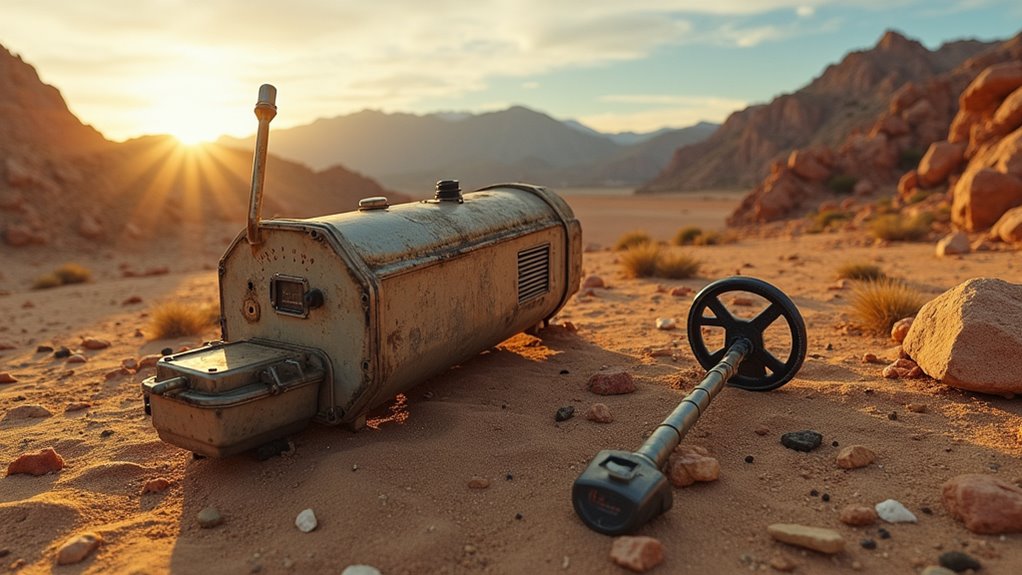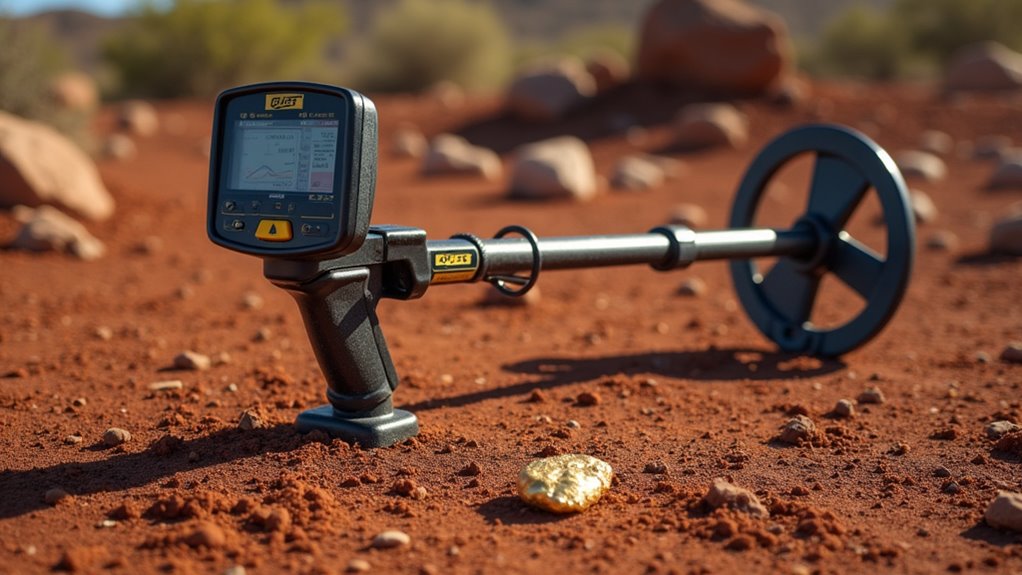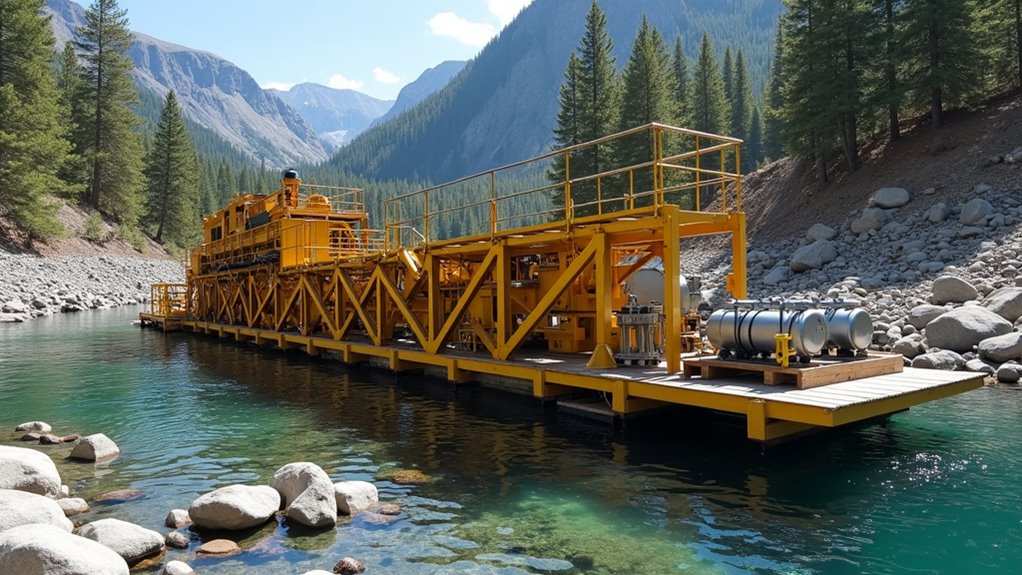

Gold mining dredges hit the market at prices from $1k to six figures, with options spanning tiny 2-inch backpack models to monster 10-inch beasts. Top dogs like Keene Engineering and Proline Mining dominate, while Gold Fox rocks the portable scene. Smart buyers snag used equipment for 30-50% off retail through auctions and trade shows – just inspect those engines first! Pro tip: mid-range 4-6″ dredges run $3-10k and plunge 8-18 meters deep. The real treasure lies in knowing wat to look for.

Fortune seekers and modern-day prospectors, buckle up – the gold mining dredge market is absolutely bonkers right now. With prices ranging from a modest $1,000 to eye-watering six-figure sums, there’s a dredge out there for every budget and ambition level. The market’s packed with options, from tiny 2-inch backpack dredges perfect for weekend warriors to massive 10-inch behemoths that’ll make your neighbors jealous (and your wallet cry). Historic mining dredges remain as preserved landmarks across Alaska and the Rockies, reminding us how far dredging technology has evolved. The modern designs incorporate advanced recovery systems to maximize gold extraction efficiency, including specialized components that enhance performance during operation. Additionally, many of today’s dredges feature state-of-the-art engineering to improve both efficiency and safety during use. Essential equipment such as sluice boxes and classifiers are crucial for successful placer mining. The importance of sustainability practices is also becoming a key consideration in the design and operation of these machines.
From pocket-sized dredges to industrial monsters, today’s gold mining market offers something for every treasure hunter’s appetite and budget.
Industry heavyweights like Keene Engineering and Proline Mining Equipment are duking it out for market dominance, each offering increasingly sophisticated machines. Keene’s legendary line of 2.5″ to 8″ dredges has become the go-to choice for serious prospectors, while Proline’s pushing boundaries with their 10″ monsters. Meanwhile, Gold Fox is quietly revolutionizing the game with their ultra-compact dredges that don’t sacrifice power for portability (whoops, forgot that apostrophe – but hey, we’re all human).
Before you start throwing money at shiny new equipment, let’s get real about the legal stuff. Most jurisdictions require permits, and some states are straight-up party poopers – looking at you, California, with your suction dredging ban. Environmental regulations are tighter than a prospector’s grip on their first nugget, and seasonal restrictions can turn your mining dreams into a waiting game. The latest environmental dredging machines incorporate sand cutter suction technology to minimize ecological impact during operations.

The good news? The used market is absolutely bustling. Smart buyers are snagging equipment at 30-50% off retail prices through auction sites, trade shows, and local classifieds in gold-rich regions. But buyer beware – that sweet deal might turn sour without proper inspection of engines, pumps, and sluice boxes. These machines aren’t exactly low-maintenance princesses; they demand regular attention to keep running smoothly.
When choosing your perfect dredge, consider the holy trinity: size, power, and depth capability. Most hobbyists find their sweet spot with 4″ to 6″ dredges, which offer a nice balance of performance and manageability. These mid-range beauties typically run between $3,000 and $10,000 new, with depth capabilities ranging from 8 to 18 meters – plenty deep for most prospecting adventures.
For the truly committed (or slightly obsessed), manufacturers like Dahlke offer custom-built dredges that’ll make your goldmining dreams come true – if you’ve got $100,000+ burning a hole in your pocket. These aren’t your granddaddy’s pan-and-shovel operations; we’re talking serious machinery with cutting-edge recovery systems and enough power to make a monster truck jealous.
Frequently Asked Questions
What Licenses Are Required to Operate a Gold Mining Dredge?
Dredge operators need a stack of permits – it’s bureaucracy gone wild!
Federal requirements include NPDES permits under Clean Water Act, plus potential USACE and BLM approvals. States demand their own permits and water quality certs.

Local jurisdictions might require additional paperwork. Don’t forget environmental impact assessments and seasonal restrictions.
The exact mix depends on location, but expect to juggle multiple permits like a circus performer on caffeine.
How Much Maintenance Does a Used Gold Mining Dredge Require Annually?
A gold mining dredge demands intensive year-round maintenance to stay operational.
Key annual tasks include bucket lip replacement (every 1-4 seasons), pin refurbishment, and pump rebuilds.

Seasonal prep requires thorough equipment inspection, lubrication, and fuel system cleaning.
During operation, daily bucket line checks, weekly bearing maintenance, and monthly pump inspections are essential.
End-of-season shutdown involves extensive cleaning, system drainage, and anti-corrosion treatment – ain’t no small feat!
Can a Gold Mining Dredge Be Operated Solo?
Small dredges up to 6 inches can absolutely be operated solo – it’s a one-person gold-hunting party!
Portable backpack units like the 2.5-inch Gold King DPC are specifically designed for lone prospectors.
Solo operation comes with trade-offs though: limited depth due to breath-holding, reduced processing capacity, and the fun challenge of handling equipment issues alone.
But for those with the guts and determination, single-operator dredging isn’t just possible – it’s happening all over!
What Is the Average Lifespan of a Gold Mining Dredge?
Gold dredges typically churn through 10-20 years of service, though some beasts keep digging for 40+ years!
The legendary Dredge No. 4 crushed it for 46 years straight (1913-1959), while others, like the Yuba dredge, barely made it past 8.

Lifespan’s totally dependent on maintenance hustle, operating conditions, and whether the tech’s still relevant.
Plus, those buckets need swapping every 4 seasons – about 1,000 days of chomping through earth.
Are There Seasonal Restrictions for Using Gold Mining Dredges?
Yes – seasonal restrictions on dredging are no joke!
Most states limit dredging to summer months (typically July-September) to protect fish spawning habitat. It’s an essential window that miners gotta respect, or face serious consequences.

Some areas allow hand panning year-round, but dredging’s strictly regulated. The exact dates vary by location – from Alaska’s brief summer season to California’s longer windows.
Breaking these rules? Hello fines and permit revocation!