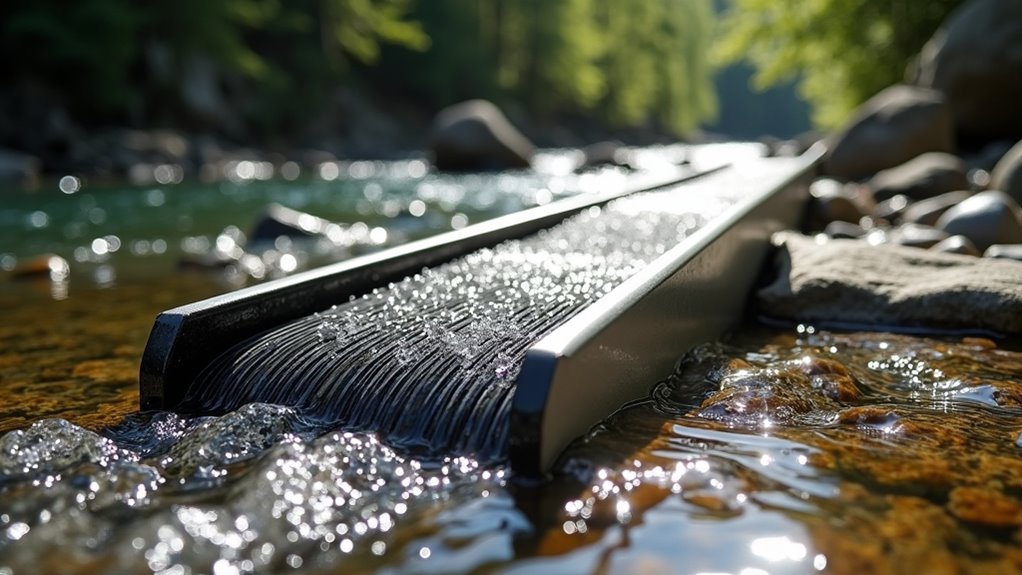
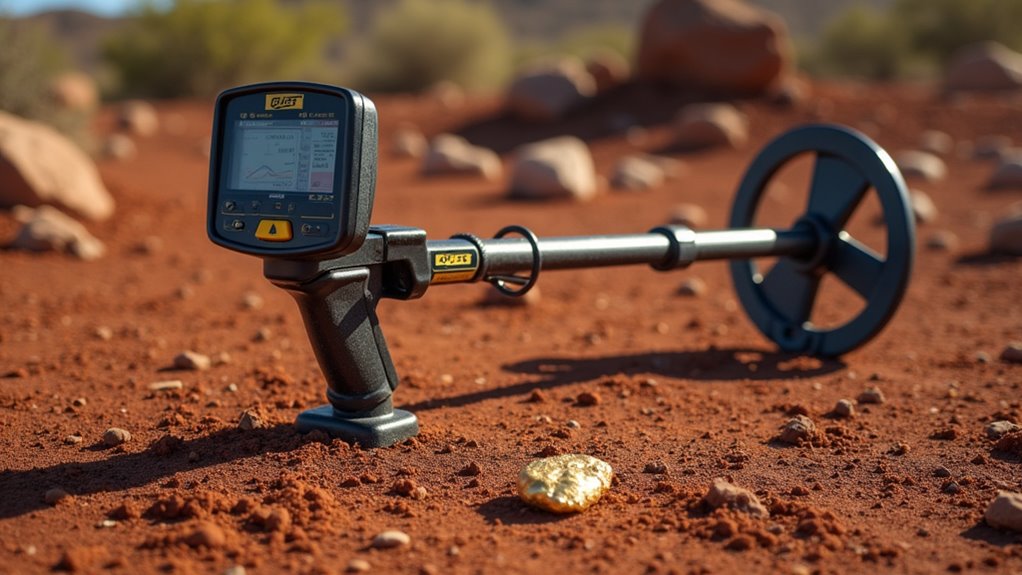
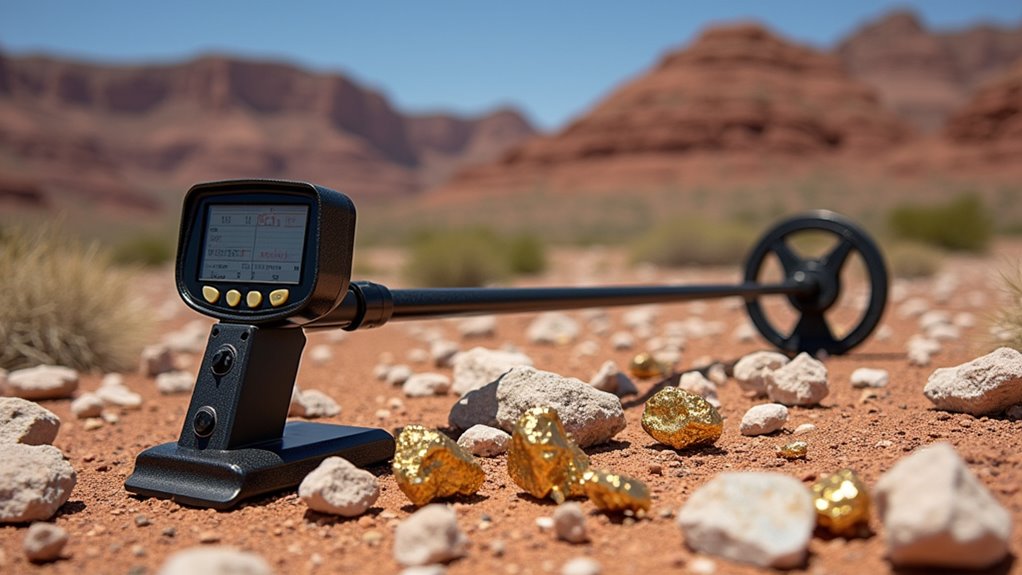
Five major players dominate the placer mining equipment scene, each with distinct advantages. Gold Fever Prospecting leads with premium sluice boxes, while High Plains Prospectors offers wallet-friendly variety. Gold Hog flaunts USA-made innovation and patents, Keene Engineering excels at fine gold recovery tech, and Goldstream delivers affordable durability. Some suppliers run steep on price but make up for it in quality – others keep costs down without sacrificing reliability. There’s more gold in these details than meets the eye.

The glitter of gold has prospectors reaching for their wallets, and equipment suppliers are more than happy to oblige. In today’s market, several manufacturers stand out for their distinct approaches to satisfying both novice and seasoned gold hunters’ equipment needs.
Gold Fever Prospecting hits the sweet spot with their extensive range of sluice boxes and highbankers, though their popularity often leads to sold-out situations that’ll make you tear your hair out. Their prices might make your wallet whimper, but the quality‘s there – if you can catch the gear in stock. They also offer gold pans that are essential for beginner prospectors to start their journey, as they are one of the essential tools for every gold prospecting adventure. Additionally, they are among the top gold mining supply stores that help prospectors quickly locate quality gear.
Gold Fever Prospecting delivers top-notch prospecting gear, but brace yourself for high prices and the frustration of chasing perpetually sold-out inventory.
High Plains Prospectors swoops in with a killer deal: free shipping on orders over $125, which honestly isn’t hard to hit when you’re loading up on panning kits and metal detectors. They’re like the department store of prospecting – got everything you need, even if some product specs are about as clear as mud.

Gold Hog struts their stuff with their made-in-USA swagger and 20+ patents that’ll make engineering nerds swoon. Sure, they’re pricey, but their innovative highbankers and sluices are built like tanks. Let’s be real – sometimes you gotta pay to play.
Keene Engineering’s been crushing it (pun intended) with their Super Sluice Box and that beast of a dredge, the Model 6220SMAX. With efficient jaw crushers and flotation cells in their lineup, they’re leading the pack in processing technology. They’re the go-to guys for nabbing those annoying super fine gold particles that love to play hide-and-seek. Just remember to budget for those “essential” accessories they’ll try to sell ya.
Goldstream Placer Supply’s playing the affordability card, and they’re playing it well. Their homegrown highbankers and those gold owl mats are winning hearts, while their sniping tools with stainless steel tips are tougher than your ex’s heart. Plus, their heavy-duty leg kits aren’t gonna collapse like your last relationship.
DOVE Equipment brings the big guns to the party with 45+ years of experience and enough surface mining equipment to make your head spin. Their SUPERMINER mobile plants can process up to 200 tons per hour, making them a heavyweight in the industry. They’re not just about gold – these folks’ll help you chase whatever shiny thing catches your fancy, from precious metals to minerals.

Gold Prospecting Mining Equipment rounds out the field with their jack-of-all-trades approach. They’ve got everything from metal detectors to rock crushers, perfect for turning your weekend warrior gold fever into a legitimate hobby. Just don’t expect bargain-basement prices – quality gear costs coin.
Each supplier brings something unique to the table, whether it’s innovation, affordability, or pure industrial might. The key is matching your needs (and budget) with the right supplier, cause let’s face it – gold fever’s expensive enough without buying the wrong gear.
Frequently Asked Questions
How Long Does It Typically Take to See a Return on Equipment Investment?
Return on investment? It’s a wild ride!
Small-scale prospectors using basic gear like pans and sluices can hit paydirt in 6-12 months – if they’re lucky.

Medium operations typically need 1-2 years to break even, while those massive industrial setups might wait 3-5 years before seeing green.
But here’s the kicker: rich deposits and sky-high gold prices can slash those timelines in half.
Nothing’s guaranteed in this glittery gamble, folks!
What Safety Certifications Should I Look for When Buying Gold Mining Equipment?
Key safety certifications for gold mining equipment include MSHA certification (crucial for meeting federal mining regs), LBMA verification for processing components, and relevant ISO standards – particularly 9001 and 45001.
Smart buyers check for emergency stop systems, proper guards on moving parts, and dust suppression features.
Pro tip: Equipment without MSHA approval is basically worthless in North America, no matter how shiny it looks.
Can Placer Mining Equipment Be Rented Instead of Purchased?
Renting placer mining equipment is totally a thing – and it’s becoming more popular.
Major suppliers like Cat and DOVE offer everything from basic sluice boxes to full-on processing plants. Daily, weekly, or monthly rental options let miners test the waters without drowning in upfront costs.
Pro tip: watch for hidden fees and seasonal availability tho’.

Equipment sharing through local mining co-ops is another slick way to get your hands on gear without breaking the bank.
What Is the Average Lifespan of Professional Gold Mining Equipment?
Professional gold mining equipment typically lasts 8,000-15,000 operating hours, though actual lifespans vary greatly based on usage intensity and maintenance.
Critical components like buckets last 7,000-10,000 hours, while engines push 8,000-15,000 hours.
With proper care and rebuilds at strategic intervals (usually 10,000-12,000 hours), equipment can exceed these averages.

Environmental factors and operating conditions dramatically affect longevity – harsh conditions can slice years off expected lifespans.
Are There Specific Permits Required to Operate Gold Mining Equipment?
Operating gold mining equipment requires a stack of permits that’ll make your head spin.
Federal mining claims are mandatory on public lands, while state permits cover surface disturbance.
MSHA and OSHA compliance isn’t optional – it’s life or death.
Environmental permits? You betcha – Clean Water Act and air quality permits are just the start.
Don’t forget local zoning approvals and tribal permits where applicable.
Its a bureaucratic maze that’d make Kafka proud!